
How To
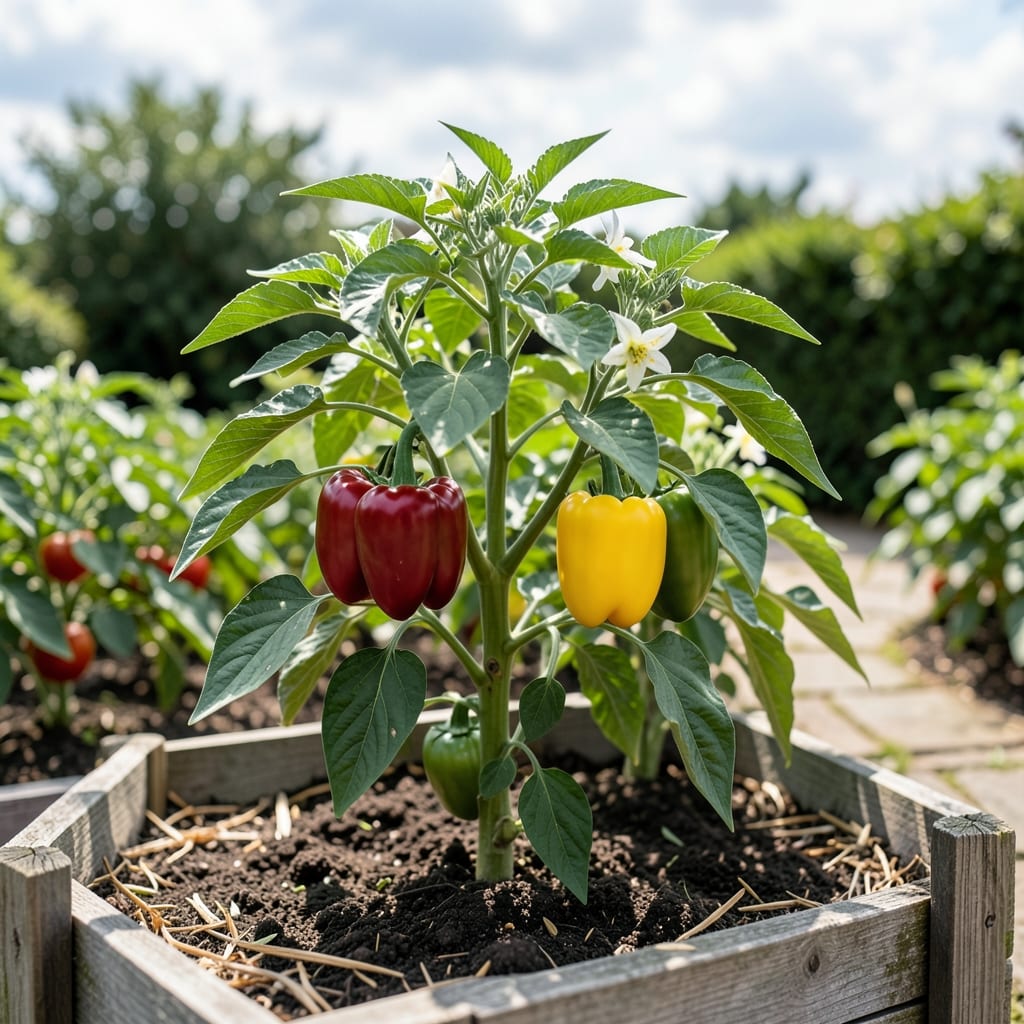
Bell pepper height by variety: compact vs. towering types
Bell peppers are a gardener's dream because their height varies so dramatically—from compact 18-inch dwarfs to towering 4-foot vining giants. The variety you choose dictates not just your plant's height but also its space needs, support requirements, and even yield potential. For example, a 'Sweet Banana' pepper stays neatly under 2 feet, while a 'Jalapeño' or 'Habanero' can easily reach 3–4 feet without proper training.
Understanding these differences helps you plan your garden layout—whether you're working with container gardening on a balcony or a sprawling backyard plot. Taller varieties often produce more peppers but need stakes or cages, while bush types thrive in tight spaces with minimal support. Let’s break down the most popular varieties and their mature heights to help you choose the perfect fit for your space.
🌱 Variety Height Guide: Here’s a quick reference for the most common bell pepper types, including their mature heights and ideal spacing requirements.
| Variety | Mature Height | Spacing Needs | Growth Habit |
|---|---|---|---|
| Sweet Banana | 18–24 inches | 12–18 inches apart | Bush (compact) |
| California Wonder | 24–36 inches | 18–24 inches apart | Bush (semi-dwarf) |
| Jalapeño | 36–48 inches | 24–36 inches apart | Indeterminate (vining) |
| Habanero | 30–48 inches | 24–30 inches apart | Indeterminate (vining) |
| Mini Bell (Snack Pepper) | 12–18 inches | 12 inches apart | Bush (compact) |
| Carolina Wonder | 36–48 inches | 24–36 inches apart | Indeterminate (vining) |
If you’re growing dwarf or bush varieties, you’ll love their low-maintenance nature—ideal for container gardens or small urban plots. These varieties rarely exceed 2 feet, making them perfect for windowsill gardening or hanging baskets. On the other hand, indeterminate vining types like Jalapeños or Habaneros can sprawl up to 4 feet, requiring sturdy support structures to prevent sprawling and maximize fruit production.
Pro tip: Check the seed packet or plant tag for mature height estimates, as even within the same variety, heights can vary slightly based on soil quality, sunlight exposure, and pruning habits. For example, a Jalapeño grown in poor soil might stay shorter, while one in rich, well-draining soil could reach its full 4-foot potential.
For container gardening, opt for dwarf varieties or prune taller types to fit your pot. A 5-gallon container is ideal for bush varieties, while vining types need at least a 10-gallon pot to accommodate their roots and support structures. Always ensure your container has drainage holes to prevent root rot, a common issue with bell peppers.
Another factor influencing height is pruning and training. Indeterminate varieties, if left unchecked, can grow even taller and produce more peppers. However, pruning lateral branches encourages bushier growth and makes harvesting easier. I’ve found that pinching off the top bud of young plants can stimulate wider growth instead of a single tall stem, which is perfect for smaller gardens.
🌿 Height Hack: If you’re short on space, consider growing bush-type bell peppers vertically using a trellis or tomato cage. This not only saves space but also improves air circulation, reducing the risk of fungal diseases like powdery mildew.
Finally, remember that height isn’t the only factor—spread matters too. Even compact varieties like 'Sweet Banana' can spread up to 18 inches wide, so plan your spacing accordingly.
Optimal spacing and support for bell pepper growth
Proper spacing and support are just as critical as choosing the right variety when growing bell peppers. Crowding plants leads to poor air circulation, increasing the risk of disease and pest infestations, while inadequate support can cause taller varieties to flop or break under the weight of their fruit. For example, a Jalapeño planted too closely might struggle to reach its full 4-foot height, while a California Wonder with insufficient support could sprawl uncontrollably.
Spacing needs vary by variety, but a general rule is to give bush types 12–24 inches apart and vining types 24–36 inches apart. This ensures each plant gets enough sunlight, nutrients, and airflow. In containers, dwarf varieties thrive in 5-gallon pots, while taller types need at least a 10–15 gallon container to support their roots and structure.
🌱 Pros and Cons of Spacing and Support
- Improves airflow, reducing fungal diseases
- Allows better sunlight exposure for larger yields
- Prevents competition for nutrients in the soil
- Increases humidity, promoting mold and mildew
- Limits plant growth due to nutrient competition
- Makes harvesting difficult and increases pest risks
- Prevents stem breakage from heavy fruit
- Encourages vertical growth, saving space
- Improves fruit accessibility for easier harvesting
- Leads to sprawling growth, wasting space
- Increases risk of stem damage from wind or rain
- Reduces fruit production due to stress
For taller varieties like Jalapeños or Habaneros, use cages, stakes, or trellises to guide their growth. A tomato cage works well for indeterminate types, while bamboo stakes are ideal for bushier plants. I’ve found that trellising not only saves space but also makes harvesting easier—no more bending over! Just ensure your support structure is buried at least 6 inches deep or secured tightly to the plant.
One common mistake is underestimating the plant’s mature height. For example, a Carolina Wonder can reach 4 feet, but many gardeners plant it too closely, leading to stunted growth and poor yields. Always refer to the seed packet or plant tag for spacing recommendations, and adjust based on your garden’s conditions. In container gardens, choose compact varieties or prune taller ones to fit your pot’s size.
🌿 Support Hack: If you’re growing bell peppers in windy areas, use flexible stakes or soft ties to avoid damaging the stems. For heavy-fruited varieties, consider double-staking—securing the plant to two stakes for extra stability.
Finally, remember that soil quality and sunlight also influence how much space your bell peppers need. Plants in poor soil or low light may stay shorter but still require proper spacing to thrive. Always amend your soil with compost and ensure your plants get 6–8 hours of full sun daily to encourage healthy, vigorous growth.