Size
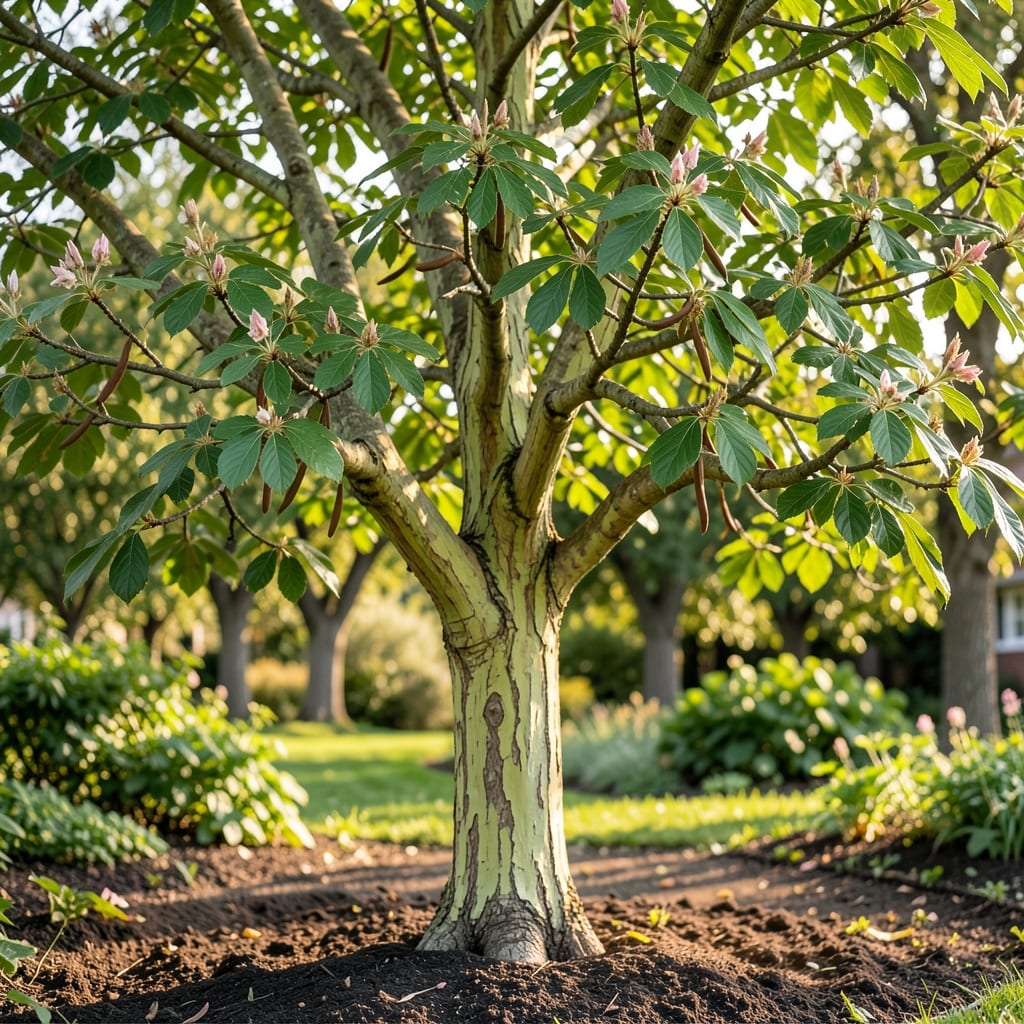
If you're asking "how tall do black locust trees grow", prepare to be impressed—these 🌳 powerhouses can shoot up to 60 feet or more, making them one of the fastest-growing trees in North America. What starts as a modest sapling can become a towering shade provider in just a few decades, transforming your landscape faster than you might expect.
But here's the catch: their rapid growth means you need to plan ahead. Whether you're planting one for privacy, windbreaks, or just the wow factor, understanding their mature size is the key to avoiding headaches down the road. I'll break down everything you need to know about their height—from how quickly they climb to how sunlight and soil affect their final stature.
Let's talk sunlight first, because these trees are sun worshippers. Without enough light, they won't reach their full potential, and that's when growth problems start. We'll also cover how much space to leave between your black locust and neighbors, because trust me, you don't want a 50-foot tree crowding your patio.
And if you're worried about managing their height, don't panic—there are smart ways to keep them in check. I'll share pruning tips and maintenance strategies so you can enjoy their benefits without losing control. Ready to learn how to harness this giant's growth? Let's get started.

Black locust tree height: growth rate and mature size explained
When you plant a black locust tree, you're inviting a fast-growing giant into your landscape. These trees are known for their rapid vertical growth, often shooting up 3 to 5 feet per year in ideal conditions. That means a 3-foot sapling could reach 30 feet in just a decade—and that's not even their full potential.
So, how tall do black locust trees grow? On average, mature black locust trees reach 40 to 60 feet tall, though some specimens in perfect conditions can exceed 60 feet. For perspective, that's taller than a 4-story building! Their height makes them excellent choices for windbreaks, privacy screens, or even as shade providers for large properties.
But here's the catch: their growth rate isn't just about height. Black locust trees also develop a sprawling canopy that can spread 30 to 50 feet wide. This means you need to account for both their height and width when planning your landscape. If you're planting near a fence or house, give them plenty of room to avoid future conflicts.
| Growth Stage | Height Range | Time to Reach | Key Notes |
|---|---|---|---|
| Year 1 | 2–4 ft | First year | Fast early growth |
| Year 3 | 12–18 ft | 3 years | Rapid vertical climb |
| Mature | 40–60 ft | 15–25 years | Full height potential |
| Canopy Spread | 30–50 ft | Mature stage | Wide-reaching branches |
The final height of your black locust tree depends on several factors, including sunlight exposure, soil quality, and climate conditions. In full sun and well-drained soil, these trees thrive and reach their maximum height. However, in shadier conditions or poor soil, their growth may be stunted, often resulting in a 30 to 40-foot mature tree instead of the full 60-foot potential.
Another critical factor is water availability. While black locust trees are drought-tolerant once established, young trees need consistent moisture to support their rapid growth. If you're planting in a dry climate, consider adding mulch around the base to retain soil moisture and encourage healthier growth.
If you're planting a black locust tree in a windy area, be prepared for even faster growth. Wind can stimulate vertical growth as the tree reaches for stability, potentially adding an extra 5 to 10 feet to its mature height. This is why they're often used as windbreaks—their height and density help block harsh winds effectively.
One thing to keep in mind is that black locust trees are invasive in some regions. Their aggressive root systems and ability to self-seed can lead to unwanted spread. If you're planting in an area with native plant concerns, check local regulations before adding one to your landscape.
For gardeners with limited space, consider planting a black locust tree in a large container or raised bed. While they won't reach their full height, you can still enjoy their ornamental value and fast growth on a smaller scale. Just be prepared for regular pruning to manage their size.
If you're still unsure whether a black locust tree is the right fit for your space, think about its long-term impact. A 60-foot tree isn't just a decorative element—it's a commitment to your landscape's future. Plan ahead, and you'll enjoy its beauty and benefits for decades to come. 🌳
Sunlight requirements and space planning for black locust trees
Black locust trees are sunlight lovers, and their height depends heavily on how much light they receive. These trees thrive in full sun conditions, meaning they need at least 6 to 8 hours of direct sunlight daily. Without enough light, their growth will slow dramatically, often resulting in a shorter, less robust tree that may only reach 30 to 40 feet instead of their full 60-foot potential.
When planning your landscape, place your black locust tree in the sunniest spot available. Avoid areas with partial shade, like under other tall trees or near dense shrubs, as this can limit their growth and weaken their structure. If you're planting near buildings or fences, ensure the area gets unobstructed sunlight for most of the day.
Here’s a quick pros and cons breakdown to help you decide if your space is right for a black locust tree:
- Full sun maximizes growth
- Drought-tolerant once established
- Fast-growing for quick shade
- Windbreak benefits
- Needs space (50+ ft apart)
- Invasive roots can damage structures
- Aggressive spread via seeds
- Not shade-tolerant for optimal growth
Space planning is critical when planting black locust trees. These giants need plenty of room to grow, both in height and width. For mature trees, aim to plant them at least 50 feet apart from buildings, fences, or other trees. Their sprawling canopy can spread 30 to 50 feet wide, so crowding them will lead to root competition and stunted growth.
If you're planting near a driveway or sidewalk, keep the tree at least 20 feet away to prevent root damage or cracked pavement. Black locust roots are aggressive and can lift concrete or disrupt underground utilities. Always check local utility markings before digging, and consider installing root barriers if needed.
For smaller properties, consider planting a black locust tree in a large container or raised bed. While they won’t reach their full height, you can still enjoy their ornamental value and fast growth on a smaller scale. Just be prepared for regular pruning to manage their size and keep them healthy. With the right space and sunlight, your black locust tree will thrive and become a stunning centerpiece for years to come. 🌿
Before planting, sketch a landscape layout to visualize how the tree will fit into your space. Use stakes and string to mark its future canopy spread and ensure it won’t interfere with other plants or structures. This small step can save you from costly mistakes down the road. ☀️