
How To
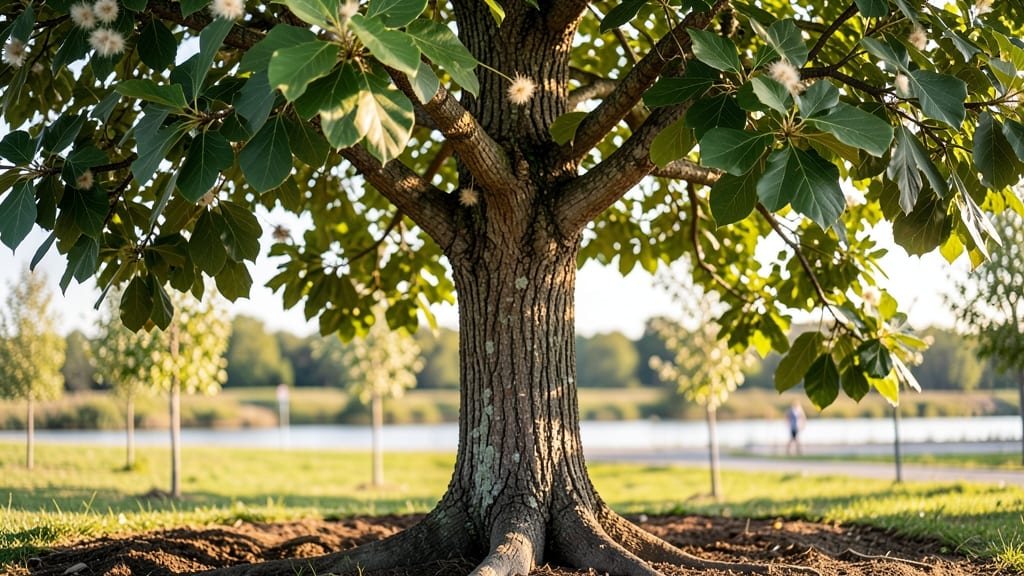
Cottonwood tree height: species breakdown & growth rates by variety
Cottonwood trees are nature's skyscrapers, with some varieties reaching heights that dwarf even the tallest buildings. The Eastern Cottonwood (Populus deltoides) leads the pack, often soaring to 70-100 feet at maturity. This rapid growth makes them ideal for quick shade solutions—but it also demands serious space planning.
Their aggressive growth rate of 3-6 feet per year means your backyard will transform faster than you imagine.
Not all cottonwoods are created equal, though. The Black Cottonwood (Populus trichocarpa) typically maxes out around 60-80 feet, while the Plains Cottonwood (Populus sargentii) stays slightly shorter at 50-70 feet.
Even these differences can dramatically impact your landscape design, especially in urban areas where space is limited. Always verify your specific variety before planting, as regional climate variations can further influence final height.
Here’s how these varieties compare in terms of height and growth speed—critical information for gardeners weighing aesthetics against space constraints.
| Variety | Mature Height (ft) | Annual Growth (ft) | Growth Rate | Best For |
|---|---|---|---|---|
| Eastern Cottonwood | 70-100 | 3-6 | Very Fast | Riparian zones, large yards |
| Black Cottonwood | 60-80 | 2-5 | Fast | Urban planting, privacy screens |
| Plains Cottonwood | 50-70 | 2-4 | Moderate | Dry climates, smaller properties |
| Fremont Cottonwood | 40-60 | 1-3 | Slow to Moderate | Arid regions, desert landscapes |
| Pacific Cottonwood | 50-75 | 2-4 | Moderate | Coastal areas, wet soils |
If you’re planting near water sources, the Eastern Cottonwood will thrive spectacularly, but its roots can become invasive. For drier climates, the Plains Cottonwood offers a more manageable option while still delivering impressive height.
Always consider your USDA hardiness zone—cottonwoods typically thrive in zones 3-9, but their growth rates can slow in colder regions.
One common misconception is that all cottonwoods grow equally fast. In reality, soil moisture and sunlight exposure play huge roles.
A tree planted in full sun with consistent water can add up to 6 feet annually, while one in partial shade or dry soil may grow only 1-2 feet per year.
This variability is why I always recommend testing your soil’s drainage before planting—poor drainage can stunt growth or even kill young saplings.
For gardeners in urban environments, the Black Cottonwood is often the best compromise. It grows tall enough for privacy but stays slightly shorter than its Eastern cousin, making it more suitable for city lots.
Just be prepared for its aggressive root system, which can disrupt sidewalks or foundations if not properly managed from the start.
If you’re planting for wildlife habitat, all cottonwood varieties are excellent choices. Their rapid growth provides quick shelter for birds and small mammals, while their cottony seed fluff offers food for insects.
However, that fluff can also become a nuisance, blanketing your yard in late spring—so factor in regular cleanup if aesthetics matter to you.
Pro tip: When selecting a cottonwood, always buy from a reputable nursery that specifies the variety. Many big-box stores sell generic "cottonwood" saplings, which might not match your height or growth expectations. A little extra research upfront saves headaches (and potential lawsuits) down the road.
Finally, remember that cottonwoods aren’t just tall—they’re wide.
Their canopy can spread 30-50 feet at maturity, so always leave ample space between your tree and structures, power lines, or neighboring properties. Prune young trees annually to encourage a strong central leader and prevent weak branch structures that could snap under heavy snow or ice.
How much space do cottonwood trees need? Planting guidelines by landscape type
Cottonwood trees aren’t just sky-high—they demand serious root space. Their canopy width often matches their mature height, meaning a 70-foot tree might spread 50-60 feet wide. This makes spacing your top priority before planting, especially in residential yards where power lines or foundations could become obstacles.
For urban planting, consider dwarfing rootstock or container growth, though cottonwoods rarely thrive in pots. In riparian zones, their natural habitat, they spread aggressively—plant them 30-50 feet apart along waterways to prevent overcrowding and invasive root competition.
🌳
📏 Cottonwood Spacing by Landscape
Soil type dramatically affects root spread. In sandy soils, roots spread wider but shallowly, while clay soils force roots deeper but more aggressively. Always test soil drainage—cottonwoods hate waterlogged roots, which can lead to disease or early decline.
Pro tip: If planting near power lines, choose the Plains Cottonwood variety, which matures slightly shorter (50-70 ft) but still grows rapidly. For privacy screens, space them 20-30 ft apart in rows to fill in faster while maintaining airflow.
💧
Remember: Pruning young trees to encourage a single trunk won’t stop their root spread—it only shapes the above-ground growth. For invasive control, install root barriers (buried 3 feet deep) if planting near hardscapes or neighboring properties.