
Plants
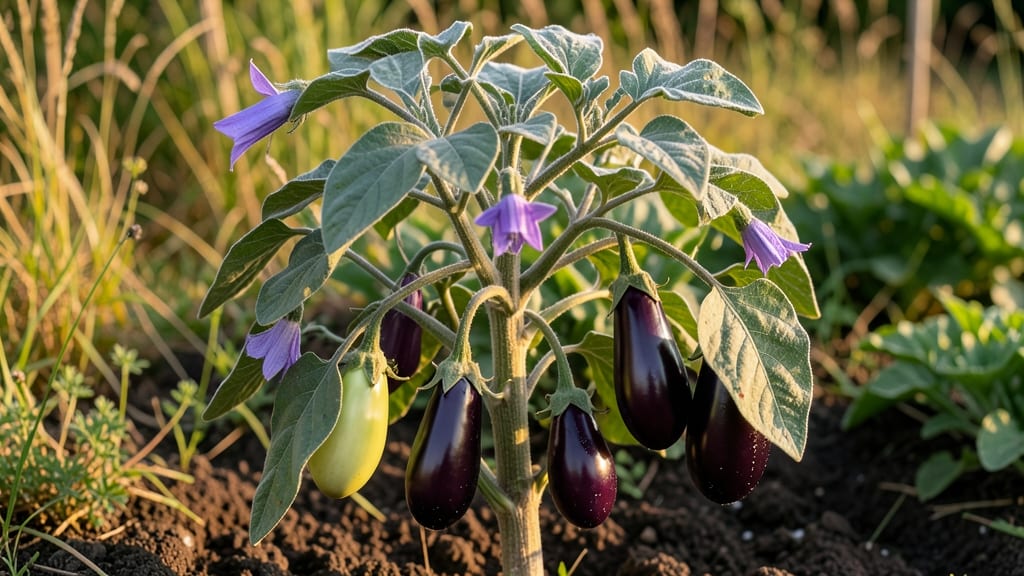
If you're planning your garden and wondering how tall do eggplant plants grow, the answer might surprise you—especially when comparing dwarf varieties to towering giants.
These 🍆 plants can range from just 1 foot to over 5 feet, depending on the type you choose, and your growing conditions play a huge role in their final height.
The key to managing space lies in variety selection. Dwarf eggplants stay compact, making them perfect for containers or small gardens, while standard varieties can stretch tall—sometimes needing trellises to support their weight.
Whether you're working with limited space or a sprawling backyard, knowing these height differences helps you plan for the best possible yield.
Sunlight, pruning, and even soil quality can influence how much your eggplants reach for the sky. With the right care, you can encourage healthier growth or keep them in check, depending on your garden layout. Let’s break down the specifics so you can pick the perfect variety for your space.
From choosing the right spot to maximizing vertical growth, I’ll share practical tips to help your eggplants thrive—no matter their size. Ready to get growing?

Eggplant plant heights by variety: from compact to towering
Eggplants are surprisingly versatile when it comes to size, with some varieties staying compact enough for containers while others reach towering heights in the garden. Knowing these differences helps you choose the perfect fit for your space—whether you're working with a sprawling backyard or a cozy balcony.
Most standard eggplants mature between 2 to 4 feet tall, but dwarf varieties can stay as short as 1 to 2 feet, making them ideal for small spaces.
Taller varieties like 'Black Beauty' or 'Ichiban' can stretch up to 5 feet or more when given optimal growing conditions. These giants need sturdy support and plenty of space to thrive, while smaller types like 'Fairy Tale' or 'Patio Baby' rarely exceed 2 feet in height.
The key difference often comes down to genetics—some varieties are bred specifically for compact growth, while others prioritize larger fruit production at the cost of height.
Here’s how eggplant varieties break down by height, along with their ideal growing conditions and space requirements:
| Variety | Height Range | Best For | Notes |
|---|---|---|---|
| Dwarf Varieties (e.g., 'Fairy Tale', 'Patio Baby') | 1–2 feet | Containers, small gardens, balconies | Compact growth; ideal for beginners |
| Semi-Dwarf Varieties (e.g., 'Rosa Bianca', 'Little Fingers') | 2–3 feet | Raised beds, small plots, trellises | Balanced height; good for limited space |
| Standard Varieties (e.g., 'Black Beauty', 'Ichiban') | 3–5 feet | Large gardens, in-ground planting | Tallest types; may need staking |
| Giant Varieties (e.g., 'Turkish Orange', 'Long Purple') | 4–6+ feet | Sprawling gardens, trellis systems | Longer fruit; requires strong support |
The height of your eggplant can also be influenced by growing conditions. For instance, pruning can encourage bushier growth in taller varieties, while adequate sunlight (6–8 hours daily) helps plants reach their full potential.
In containers, dwarf varieties thrive with minimal space, but even standard types can be grown vertically with the right trellis or cage support.
If you’re growing eggplants in containers, opt for dwarf or semi-dwarf varieties to avoid overcrowding. A 5-gallon pot is ideal for compact types, while larger containers (10+ gallons) can accommodate semi-dwarf varieties. Always ensure your container has drainage holes to prevent root rot, a common issue in eggplants.
For gardeners with limited space, consider vertical gardening. Tall varieties like 'Black Beauty' can be trained to grow upward using sturdy stakes or trellises, freeing up ground space for other plants. Just be sure to tie the stems gently to avoid damaging the plant as it grows.
Another factor to consider is fruit size. Larger varieties often produce bigger eggplants but may require more space to support their weight.
Smaller varieties like 'Little Fingers' yield plenty of mini eggplants (1–3 inches long) perfect for snacking or stir-fries, making them a great choice for small gardens or urban growers.
When planning your garden layout, leave at least 18–24 inches between standard eggplant plants to allow for airflow and prevent disease. Dwarf varieties can be spaced closer together (12–18 inches apart), but avoid overcrowding, which can lead to blossom end rot or powdery mildew.
Finally, remember that eggplants are warm-season crops that thrive in temperatures between 70–85°F. Planting too early in cool soil can stunt growth, so wait until the soil is at least 60°F before transplanting seedlings.
With the right variety and care, you’ll have a bountiful harvest—no matter how much (or little) space you have to work with!
Eggplant plant heights by variety: from compact to towering
Eggplant plants vary dramatically in height depending on the variety, with some reaching towering heights while others stay compact enough for containers.
Understanding these differences helps you choose the perfect fit for your garden space or balcony. Standard varieties typically grow 3 to 5 feet tall, while dwarf varieties remain under 2 feet. Even within these ranges, some giant varieties can exceed 5 feet when given ideal conditions.
For gardeners with limited space, compact or bush varieties are ideal choices. These varieties often produce smaller fruits but thrive in containers or tight garden beds. On the other hand, tall, indeterminate varieties can grow continuously if not pruned, making them perfect for trellises or large garden plots.
Knowing these height differences ensures you allocate the right space for healthy growth and maximum yield.
| Variety | Height Range | Best For |
|---|---|---|
| Dwarf Varieties (e.g., 'Fairy Tale', 'Patio Baby') | 1-2 feet | Containers, small spaces |
| Semi-Dwarf (e.g., 'Rosa Bianca', 'Ichiban') | 2-3 feet | Balconies, raised beds |
| Standard (e.g., 'Black Beauty', 'Ichiban') | 3-5 feet | Garden beds, trellises |
| Giant (e.g., 'Long Purple', 'Mammoth') | 4-6 feet | Large gardens, trellis support |
When selecting eggplant varieties, consider not just height but also fruit size and yield potential. Dwarf varieties like 'Fairy Tale' produce small, sweet fruits perfect for salads, while tall varieties like 'Black Beauty' yield larger fruits ideal for grilling or roasting.
If you're growing in containers, opt for dwarf or semi-dwarf types to avoid overcrowding and ensure adequate airflow.
Sunlight plays a crucial role in determining how tall your eggplant plants will grow. Full sun exposure (6-8+ hours daily) encourages robust growth and larger plants, while insufficient light can stunt height and reduce fruit production.
If your garden receives partial shade, choose compact varieties that tolerate lower light conditions better. Always plant in well-draining soil to prevent root rot, which can weaken plants and limit their growth potential.
Pruning can also influence eggplant height and shape. Regular pruning of side shoots and suckers helps direct energy toward fruit production rather than excessive foliage growth. For tall varieties, pruning encourages a more manageable height and improves air circulation, reducing the risk of fungal diseases.
If you're growing eggplants vertically, prune to promote a single main stem for easier trellising and harvesting.
Finally, remember that eggplant plants can grow taller in their second year, especially if they overwinter in mild climates. If you're planning a multi-year garden, account for this potential growth spurt when selecting varieties and spacing plants.
With the right variety and care, your eggplants can thrive and produce a bountiful harvest, whether in a sprawling garden or a cozy container on your balcony.