
How To
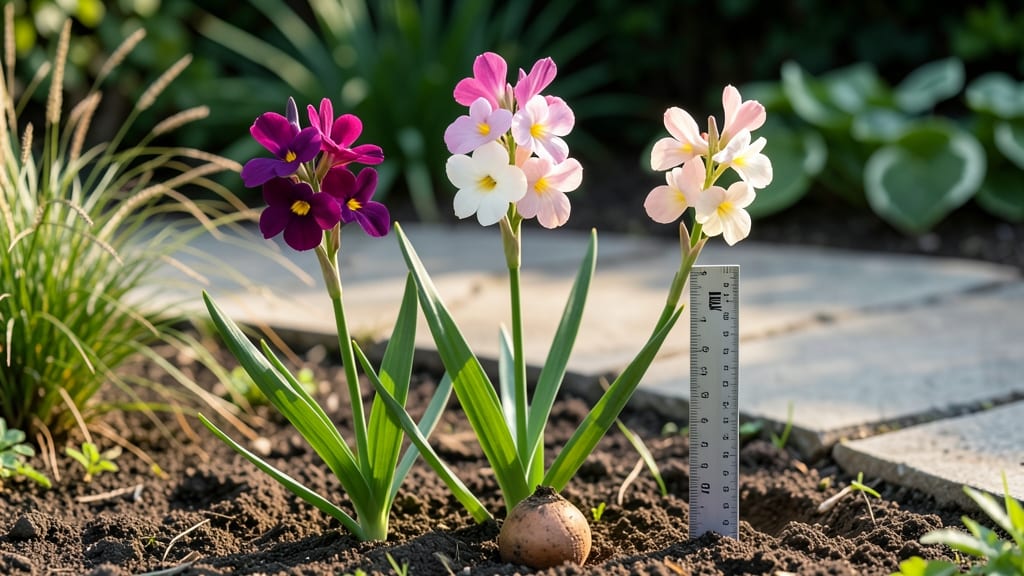
Wondering how tall do freesias grow in your garden? These elegant 🌸 flowers can surprise you with their range—from dainty 6-inch varieties to showstopping 18-inch giants, depending on the type and care you provide.
If you're planning a spring display, knowing freesia height ranges is the key to spacing them just right. Miniature types like 'Blue Bird' stay compact, perfect for containers or borders, while taller varieties like 'Grandiflora' reach nearly 2 feet, making them ideal for cutting gardens.
But here's the catch: proper care makes all the difference. With the right soil, sunlight, and watering, you can coax even dwarf freesias to grow a bit taller—or keep towering types from flopping over. I'll show you exactly how to optimize their height for your space.
Whether you're a container gardener or dreaming of a full flowerbed, freesias offer something for every style. Let's break down the exact heights by variety and the simple secrets to growing them at their best.

Freesia height ranges by variety: dwarf to giant types explained
Freesias are stunning spring-blooming bulbs that add elegance to any garden, but their height varies dramatically depending on the variety. Most freesias reach 12–20 inches tall at maturity, but some dwarf types stay as short as 4–8 inches, while giant cultivars can stretch to 18 inches or more.
Understanding these differences helps you choose the perfect freesia for your garden beds, containers, or cut flower arrangements.
The most popular freesia varieties fall into three height categories: dwarf (4–8 inches), standard (10–16 inches), and tall (16–20+ inches).
For example, the 'Blue Bird' variety typically stays under 12 inches, making it ideal for container gardening or border edges, while 'Grandiflora' types can reach 18 inches or taller, perfect for back-of-bed planting or bouquets.
Here’s how freesia heights compare to common garden plants to help you visualize spacing:
When planning your freesia garden, consider the spacing needs for each variety. Dwarf types like 'Blue Bird' can be planted just 3 inches apart, while taller varieties like 'Grandiflora' need 6–8 inches of space to prevent overcrowding and ensure proper airflow.
This spacing also reduces competition for nutrients, helping your freesias reach their full potential height.
Another factor to consider is the growth habit of each variety. Some freesias, like 'Margarita', have a spreading growth pattern and may benefit from light staking to keep stems upright, especially in windy conditions.
In contrast, tall varieties like 'Black Pearl' often produce sturdy stems that require minimal support but may need deeper soil to anchor their roots securely.
If you’re growing freesias in containers, opt for dwarf or semi-dwarf varieties to avoid overcrowding. A 6-inch pot can comfortably hold 3–4 dwarf bulbs, while a 12-inch pot can accommodate 5–6 standard-sized bulbs.
For taller varieties, choose containers with at least 12 inches of depth to support their root systems and prevent tipping.
For cut flower arrangements, taller freesias like 'Grandiflora' are ideal because their long, sturdy stems hold up well in vases. To maximize stem length, avoid over-fertilizing with nitrogen, which promotes leafy growth at the expense of flower spikes.
Instead, use a balanced 10-10-10 fertilizer to encourage both root development and flower production.
Pro tip: If you’re unsure which variety to choose, start with a mix of heights to create visual interest. For example, plant dwarf freesias in the front of a border, standard varieties in the middle, and tall types in the back.
This layered approach mimics a natural garden look while making the most of your space.
🌸
Freesia height ranges by variety: dwarf to giant types explained
Freesias are stunning perennials that add elegance to any garden, but their mature heights can vary wildly depending on the variety. Most freesias reach 10–20 inches tall, but some dwarf types stay under 6 inches, while giant cultivars can stretch to 18 inches or more.
Knowing these ranges helps you plan spacing and container sizes for optimal growth.
For example, 'Blue Bird' freesias typically grow 12–15 inches, making them perfect for border plantings, while 'Miniature' varieties like 'Dwarf Pink' max out at 6–8 inches. The 'Grandiflora' series often tops 16 inches, ideal for cutting gardens where height matters.
| Variety | Height Range | Growth Habit | Best For |
|---|---|---|---|
| 'Blue Bird' | 12–15 inches | Upright | Border plantings |
| 'Margarita' | 10–14 inches | Semi-spreading | Containers, cut flowers |
| 'Black Pearl' | 14–18 inches | Tall and slender | Back of beds, bouquets |
| 'Dwarf Pink' | 6–8 inches | Compact | Rock gardens, small pots |
If you’re growing freesias in containers, choose dwarf varieties to avoid overcrowding. For garden beds, taller types like 'Grandiflora' need 12–18 inches of vertical space, while dwarf freesias thrive in 6-inch-deep pots. Always space bulbs 3–4 inches apart to prevent competition for nutrients.
Another key factor is climate. In cooler zones (USDA 6–8), freesias may stay slightly shorter due to slower growth, while warmer regions can produce taller, more vigorous plants.
For example, 'Fire Dance' freesias often reach 16 inches in Southern climates but may max out at 12 inches in Northern gardens.
For cutting gardens, prioritize taller varieties like 'Black Pearl' or 'Grandiflora', which provide long stems for arrangements. If you prefer low-maintenance options, dwarf freesias require minimal staking and are perfect for window boxes or hanging baskets.
Pro tip: Always check the seed packet or nursery label for exact height expectations, as hybrid varieties can surprise you. With the right care, even dwarf freesias can reach their full potential—just give them the right conditions! 🌸