
How To
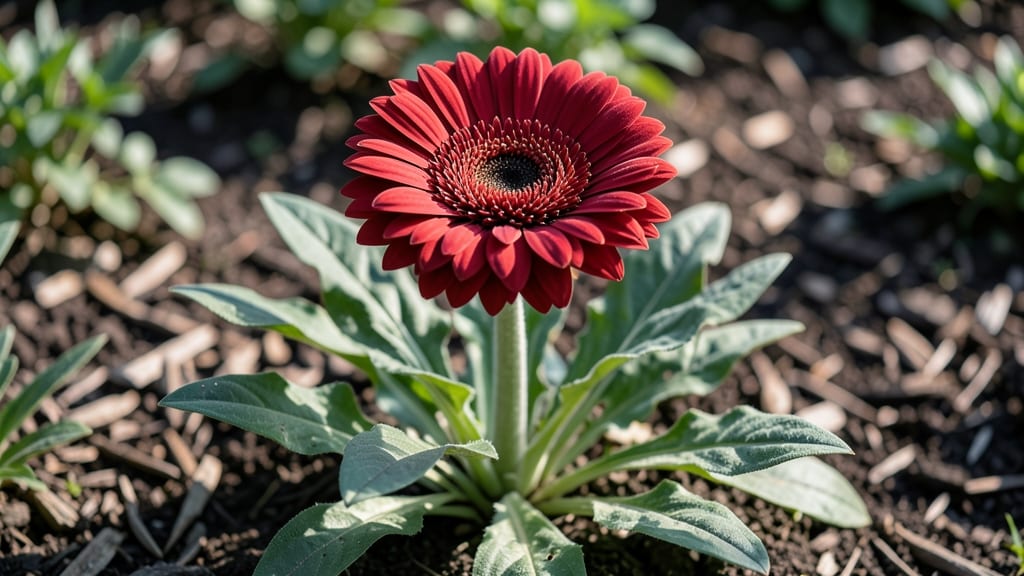
Gerbera daisy height by variety: from dwarf to towering types
Gerbera daisies are famous for their bright, cheerful blooms, but their mature height can vary dramatically depending on the variety you choose. If you're planning your garden layout, knowing these differences will help you allocate space wisely—whether you're working with containers or garden beds.
Some compact varieties stay under a foot tall, while others can reach nearly 2 feet, making them perfect for borders or cutting gardens.
I’ve grown gerbera daisies for years, and the most striking difference I’ve noticed is between dwarf varieties like 'Little Robin' and towering types like 'Mammoth'.
The height isn’t just about aesthetics—it also affects how you space plants, how much sunlight they receive, and even how you support them if needed. Let’s break down the most popular varieties and their typical mature heights to help you make the best choices for your garden.
The 'Little Robin' variety is my go-to for containers because it stays under 12 inches, making it perfect for small spaces or even window boxes. Its compact size means you can fit more plants in a limited area, which is great for urban gardens or balconies.
On the other hand, the 'Mammoth' variety is a showstopper in the back of my garden beds—its 18–24 inch height adds drama and works beautifully as a backdrop for shorter flowers.
If you're growing gerbera daisies for cutting flowers, taller varieties like 'Mammoth' or 'Teresa' are ideal because their sturdy stems hold up well in bouquets.
However, if you're focusing on long-lasting garden displays, the semi-dwarf varieties like 'Double Classic' or 'Caramel' provide a balanced look without overwhelming smaller garden spaces. The key is to match the variety to your garden’s layout and your personal goals for blooms.
One thing I’ve learned is that height isn’t the only factor—the spread of the plant also matters. For example, 'Little Robin' might be short, but it spreads about 12 inches wide, so you’ll need to account for that when spacing.
Meanwhile, 'Mammoth' has a narrower spread but requires more vertical space. Always check the plant’s mature spread alongside its height to avoid overcrowding.
Another tip: Soil quality and sunlight exposure can influence how tall your gerbera daisies grow. In my experience, plants grown in well-draining, nutrient-rich soil with 6–8 hours of sunlight daily tend to reach their full potential height.
If your gerbera daisies seem leggy or underdeveloped, it might be a sign they need more light or better soil conditions. I’ll cover how to optimize these factors in the next section!
For those growing gerbera daisies in containers, choose varieties that fit your pot size. A 12-inch pot is ideal for dwarf varieties like 'Little Robin', while taller types like 'Mammoth' need at least a 14-inch pot to support their roots and stems.
Always ensure your container has drainage holes to prevent root rot, which can stunt growth and affect height.
If you're planning a color-themed garden, height variations can help create layers. For instance, I often pair tall red gerbera daisies (like 'Mammoth') with shorter yellow or orange varieties (like 'Little Robin') to add depth and visual interest.
This not only makes your garden more dynamic but also ensures each plant gets the sunlight and airflow it needs to thrive.
Finally, remember that gerbera daisies are annuals in most climates, so their height is a one-season investment. However, with the right care, they’ll reward you with non-stop blooms from early summer until frost. Whether you're a beginner or a season
Optimal spacing and planting tips for gerbera daisies by height
When planning your gerbera daisy garden, proper spacing is just as important as choosing the right variety. Tall varieties like 'Mammoth' need more room to avoid shading smaller plants, while dwarf types like 'Little Robin' can thrive in tight clusters.
Always check your specific variety's mature height to determine spacing needs—this prevents overcrowding and ensures each plant gets enough sunlight and airflow.
For garden beds, space dwarf gerberas (6-12 inches) about 8-12 inches apart. Semi-dwarf varieties (12-15 inches) should have 12-18 inches between them, while standard types (15-18 inches) need 18-24 inches of space.
This spacing prevents competition for nutrients and reduces the risk of fungal diseases caused by poor airflow.
If you're growing gerberas in containers, choose pots at least 12 inches wide for dwarf varieties and 16-18 inches wide for taller types. Use well-draining soil and place containers where they'll receive 6-8 hours of sunlight daily.
Grouping containers by height—tallest in the back, shortest in front—creates a visually appealing display while maximizing sunlight exposure.
🌼 Pro Tip: Always plant gerberas in well-draining soil with a slightly acidic pH (around 6.0-6.5). Amend heavy clay soil with compost or sand to improve drainage, as gerberas hate soggy roots. A 2-inch layer of mulch around each plant helps retain moisture and regulate soil temperature.
🌱 Gerbera Daisy Spacing & Planting Guide
- Dwarf varieties (6-12"): Space 8-12" apart in beds or use 12" pots for containers.
- Semi-dwarf (12-15"): Allow 12-18" spacing in garden beds; use 14-16" pots.
- Standard (15-18"): Plant 18-24" apart; opt for 18" pots or larger.
- Group by height: Tallest in back, shortest in front for balanced sunlight access.
- Soil prep: Mix in compost and ensure good drainage to prevent root rot.
- Mulch: Apply 2" layer after planting to retain moisture and suppress weeds.
When planting, dig a hole twice as wide as the root ball but only as deep as the container's base. This encourages roots to spread outward rather than sitting too deep, which can lead to stem rot.
Gently remove the plant from its container, loosen any circling roots, and place it in the hole. Backfill with soil, firm it lightly, and water thoroughly to settle the roots.
In container gardens, choose pots with drainage holes to prevent waterlogging. If using decorative pots without holes, add a layer of gravel or perlite at the bottom to improve drainage.
Place containers where they’ll receive morning sun and afternoon shade in hot climates to protect delicate petals from scorching. Rotate containers weekly to ensure even growth.
Finally, avoid planting gerberas too close to tall perennials or shrubs, as they’ll compete for sunlight and nutrients. Instead, pair them with companion plants like marigolds or basil, which deter pests and add complementary colors to your garden.
With the right spacing and care, your gerberas will thrive and reward you with bold, long-lasting blooms all season!