
How To
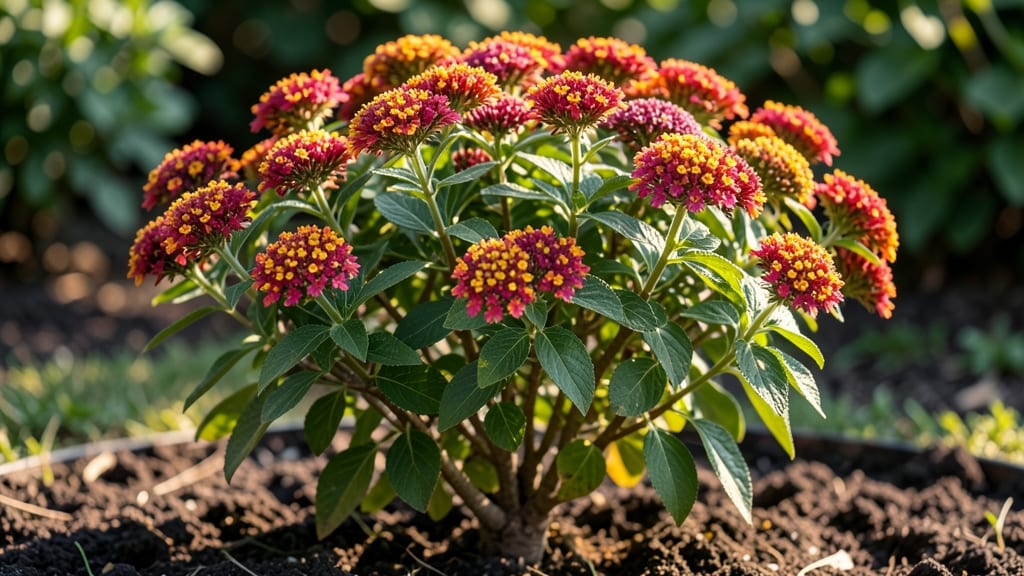
If you're planning your garden layout and wondering how tall do lantana grow, the answer might surprise you—these vibrant 🌸 shrubs can range from compact 1-foot beauties to sprawling 6-foot giants, depending on your climate and care routine.
Lantana thrives in warmer zones like 6a and beyond, where it naturally reaches its full potential. But even in cooler areas, with the right pruning techniques, you can keep it at a manageable height. The key is understanding how your local growing conditions influence its size.
Whether you're aiming for a neat border or a lush backdrop, learning how to control lantana's growth will help you create the perfect look. From dwarf varieties that fit containers to towering shrubs for privacy screens, we'll cover everything you need to know.
Ready to transform your garden? Let's dive into the secrets of managing lantana's height so you can enjoy its stunning blooms without the worry of overgrowth.

Lantana height by USDA hardiness zones: what to expect in your climate
Your lantana’s mature height depends heavily on your USDA hardiness zone, with dramatic differences between northern and southern climates.
In cooler zones like 7-8, lantana typically stays between 3-4 feet tall, while in warmer zones 9-11, it can easily reach 5-8 feet—or even taller with aggressive growth habits. Understanding these ranges helps you plan for both aesthetic balance and space management in your garden.
In Zone 7, lantana often grows as a semi-dwarf shrub (3-4 ft), thriving in summer heat but requiring fall protection from early frosts. Gardeners in Zone 8 can expect slightly taller plants (4-5 ft), especially with regular pruning to encourage bushiness.
Meanwhile, Zones 9-11 host the most vigorous varieties, where lantana can sprawl 6-8 feet tall and 5-10 feet wide if left unchecked.
Here’s how your lantana’s height breaks down by zone, including dwarf vs. standard varieties and key growth factors:
Temperature isn’t the only factor—sunlight exposure and soil drainage also play critical roles. Lantana in full sun (6+ hours/day) grows 20-30% taller than those in partial shade, while poor drainage can stunt growth or cause root rot.
If you’re in Zone 7 and notice your lantana struggling, consider raising beds or adding sand to clay soil to improve aeration.
For gardeners in Zones 9-11, the real challenge isn’t height—it’s horizontal spread. Some varieties, like Lantana camara ‘Bandana Cherry’, can spread 10+ feet wide if unchecked. To manage this, I recommend container planting or installing underground barriers to contain roots.
Even a 3-foot-tall lantana can become a privacy screen when planted in a double-row hedge.
If you’re growing lantana in containers, expect 20-30% shorter heights due to root restriction. A 5-gallon pot will keep most varieties under 3 feet tall, while 15-gallon containers allow for 4-5 feet of growth.
Always use fast-draining potting mix to prevent root rot, and fertilize lightly every 4-6 weeks during the growing season to encourage compact growth.
One of my favorite height-controlling tricks is topping lantana in early spring. By cutting back one-third of the plant’s height right after new growth appears, you encourage bushier, more manageable growth while maintaining vibrant blooms.
This works especially well for Zone 8-10 gardeners who want to keep their lantana under 4 feet tall without sacrificing flowers.
For those in cooler climates (Zones 7-8), overwintering lantana as a smaller shrub is key. After the first frost, cut back 70-80% of the plant’s height and mulch heavily.
This rejuvenates growth in spring, often resulting in a 2-3 foot tall plant by summer—perfect for border plantings or container gardens.
Remember, lantana’s height isn’t set in stone—it’s a dynamic trait you can influence with pruning, sunlight, and soil care. Whether you’re aiming for a neat 2-foot hedge or a wildflower-like 6-foot backdrop, understanding your zone’s growth potential puts you in control.
Start with the right variety for your climate, and don’t hesitate to prune aggressively to shape your lantana’s future height.
How to control lantana height: pruning techniques for different growth habits
Pruning is the secret weapon for managing lantana height and keeping your plants at your desired size. Whether you're growing compact varieties for containers or letting sprawling types climb trellises, regular pruning encourages bushier growth and prevents leggy stems.
I’ve found that timing and technique make all the difference—especially when dealing with lantana’s aggressive growth habits.
For upright lantana varieties, I recommend pruning in early spring before new growth begins. This gives your plants a fresh start and helps maintain their natural shape.
If you’re growing sprawling types, like Lantana montevidensis, pruning in late winter or early spring prevents them from becoming too woody or overgrown. Always use clean, sharp pruners to avoid damaging the stems.
Identify whether your lantana is upright, sprawling, or weeping. Upright types (like 'Bandana Cherry') grow vertically, while sprawling types (like 'New Gold') spread outward.
Prune upright varieties in early spring (March-April) and sprawling types in late winter (February). Avoid pruning in fall or winter unless removing dead growth.
Use sterilized pruning shears for small stems and loppers for thicker branches. Disinfect tools with rubbing alcohol to prevent disease spread.
For compact growth, cut back 1/3 of the plant in early spring. For sprawling types, trim long stems to encourage bushiness. Remove dead or diseased branches year-round.
Apply a balanced fertilizer (10-10-10) 2-3 weeks after pruning to support new growth. Water deeply after fertilizing to help roots absorb nutrients.
Check your lantana monthly during growing season (April-September). Light pruning throughout the year keeps plants neat and manageable.
If your lantana is growing too aggressively, you can also try organic growth suppressants, like deep mulching with pine bark fines or applying corn gluten meal in early spring.
These methods slow root growth without harming the plant. For chemical control, use a slow-release granular fertilizer like Osmocote, which reduces vigorous growth while still supporting blooms.
Remember, lantana responds well to regular pruning, so don’t wait until it’s out of control. A little effort now means healthier plants and fewer headaches later.
With the right techniques, you can keep your lantana at the perfect height for your garden—whether that’s a 3-foot border plant or a 6-foot privacy screen.
Pro tip: Save your pruning cuttings to propagate new plants! Dip the cuttings in rooting hormone and plant in well-draining soil for free lantana babies. 🌱