
Plants
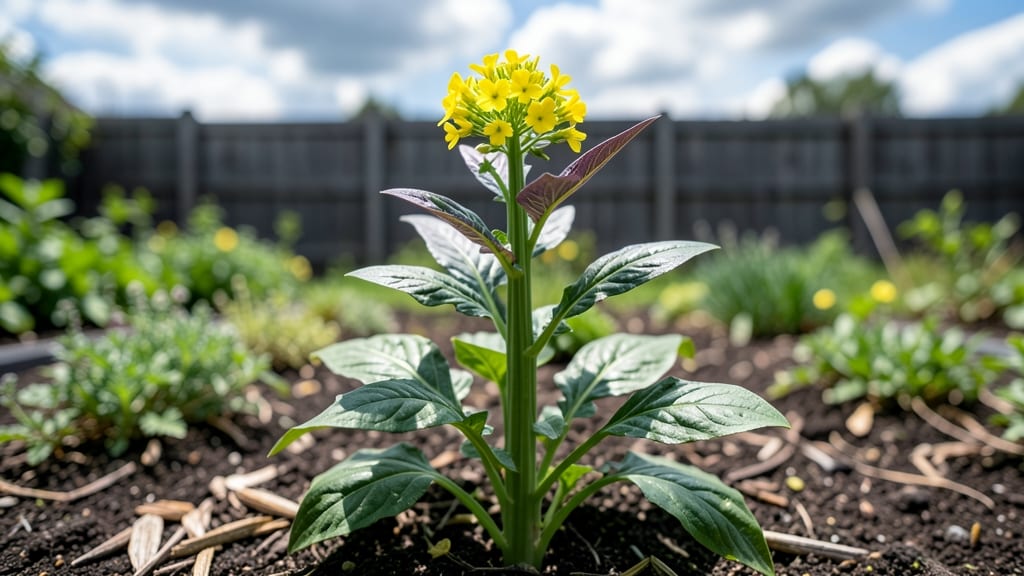
Mustard plant height by variety: compact vs. tall growing types
Mustard plants come in a surprising range of heights, from dwarf varieties that stay under a foot tall to tall-growing types reaching nearly three feet. The height you’ll see depends entirely on the variety you choose—whether you’re growing mustard greens for tender leaves or seed pods.
For home gardeners, understanding these differences is key to planning spacing, sunlight exposure, and harvest timing. Let’s explore the most popular mustard varieties and their mature heights.
Leafy mustard greens like Tendergreen or Southern Giant Curled typically stay on the shorter side (1-2 feet), making them ideal for container gardening or small plots.
On the other hand, seed-producing varieties such as Brown Mustard or White Mustard can grow tall and sturdy (2-3 feet), requiring more space and support. Choosing the right variety ensures your garden layout works efficiently without overcrowding or wasted space.
Here’s a quick comparison of mustard varieties based on their mature height and growth habits, so you can pick the perfect fit for your garden:
| Variety | Type | Mature Height | Growth Habit | Best For |
|---|---|---|---|---|
| Tendergreen | Leafy Green | 12-18 inches | Bushy, compact | Containers, small gardens |
| Southern Giant Curled | Leafy Green | 18-24 inches | Broad leaves, upright | Salads, stir-fries |
| Red Giant | Leafy Green | 20-24 inches | Tall, robust | Large harvests, cold climates |
| Brown Mustard | Seed Pod | 24-36 inches | Tall, sturdy stems | Seed production |
| White Mustard | Seed Pod | 30-36 inches | Very tall, upright | Large gardens, seed harvest |
If you’re growing mustard greens for salads or stir-fries, dwarf varieties like Tendergreen are perfect for small spaces or even windowsill gardens. Their compact size (12-18 inches) makes them easy to manage, and they bolt less quickly in warm weather.
For larger harvests or seed production, taller varieties like Red Giant or Brown Mustard will give you more yield but require proper spacing (12-18 inches apart) to avoid competition.
One common misconception is that all mustard plants grow tall and leggy. In reality, many varieties stay short and bushy if given the right conditions—full sun (6+ hours daily) and well-draining soil.
Without enough sunlight, mustard plants may stretch toward light, becoming taller and weaker, which can lead to bolting or poor harvest quality. Always plant in a location where they’ll receive consistent sunlight to encourage healthy, compact growth.
For container gardening, stick to dwarf varieties like Tendergreen or Tokyo Bekana, which thrive in pots and can be harvested repeatedly without taking up much space. If you’re planting in the ground, consider mixing tall and short varieties to create visual interest while maximizing your garden’s potential.
Just be sure to give taller types like White Mustard enough room to avoid shading out their shorter neighbors.
Another factor that affects height is the harvest timing. If you let mustard plants grow too tall before harvesting, they’ll start to bolt (flower), which makes the leaves bitter and tough.
For leafy greens, aim to harvest when plants are 12-18 inches tall and the leaves are tender. For seed varieties, allow them to reach their full height (24-36 inches) before harvesting pods.
Pro tip: If you notice your mustard plants stretching too tall or becoming leggy, it’s a sign they need more sunlight. Try moving them to a sunnier spot or thinning out nearby plants that might be shading them.
With the right variety and care, your mustard plants will grow to their ideal height—whether that’s a compact 12 inches or a towering 3 feet.
🌱
Mustard plant height by variety: compact vs. tall growing types
Mustard plants come in a surprising range of heights, from dwarf varieties perfect for containers to tall seed producers that can reach waist height.
The leafy greens you often see in salads typically stay between 12 to 24 inches, while seed-producing types like Brassica juncea can stretch up to 3 feet. Choosing the right variety isn’t just about space—it directly impacts your harvest’s tenderness and yield.
For example, Tendergreen mustard stays compact at 12–18 inches, making it ideal for succession planting in small gardens. Meanwhile, Southern Giant Curled Mustard can bolt to 36 inches, producing those iconic spicy seed pods.
Understanding these differences helps you plan your garden layout and avoid overcrowding or wasted space.
| Variety | Type | Mature Height | Best For |
|---|---|---|---|
| Tendergreen | Leafy Green | 12–18" | Salads, containers |
| Southern Giant Curled | Seed Pod | 24–36" | Spicy seeds, tall beds |
| Tokyo Bekana | Leafy Green | 10–14" | Microgreens, urban gardens |
| Red Giant | Seed Pod | 20–28" | Dried mustard seeds |
If you’re growing mustard for leafy greens, prioritize shorter varieties like Tokyo Bekana or Red Osaka, which max out at 14 inches. These stay tender longer and are less likely to bolt prematurely in heat.
For seed production, taller varieties like Southern Giant Curled thrive in full sun and need 18+ inches of space to avoid shading neighbors.
Pro tip: Check seed packets for days to maturity—shorter varieties often mature faster (30–40 days) than taller seed types (50–60 days).
This helps you plan succession crops for continuous harvests without overcrowding. For example, plant Tendergreen every 2 weeks in spring for a steady supply of greens.
One common misconception is that all mustard plants need wide spacing. In reality, leafy varieties can handle 6–8 inches apart, while seed producers need 12–18 inches.
Overcrowding leads to leggy, bitter leaves or stunted seed pods. Always follow the spacing guidelines on your seed packet to avoid these issues.
For container gardening, stick to dwarf varieties like Tokyo Bekana in 5-gallon pots. These thrive with 6 hours of sun and consistent moisture, making them perfect for balconies. If you’re using taller varieties, ensure your containers are at least 12 inches deep to accommodate their root systems.
Remember: The height of your mustard plants isn’t just about aesthetics—it’s a harvest predictor. Shorter plants = more tender greens; taller plants = more seeds. Choose wisely based on your garden goals and space constraints!