
How To
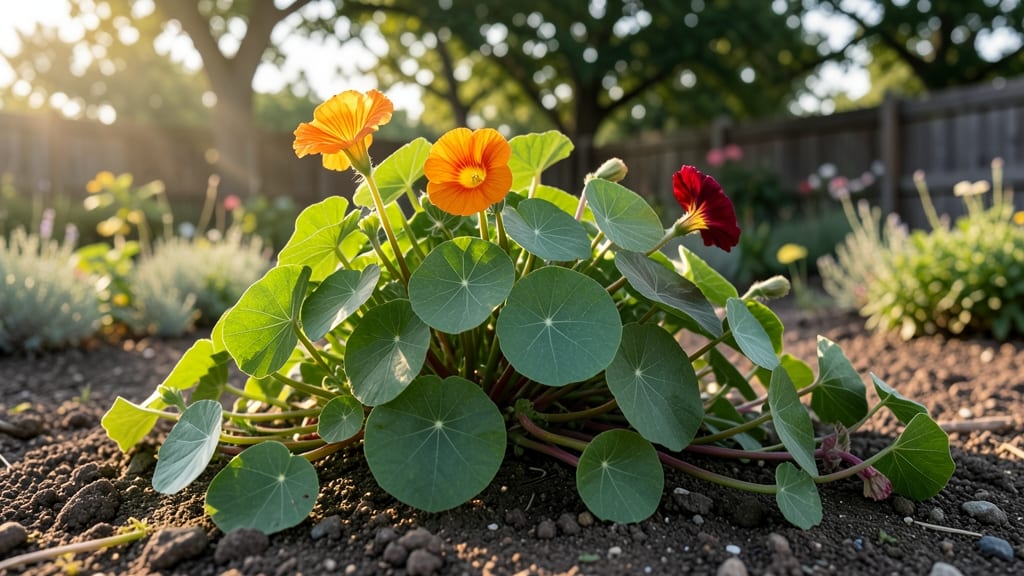
Nasturtium height variations: from trailing vines to bushy compact types
Nasturtiums (Tropaeolum majus) are famously versatile, offering a stunning range of heights that can transform your garden's look. Whether you dream of lush trailing vines cascading over trellises or compact bushes perfect for containers, understanding their growth habits is key.
The height of your nasturtiums depends largely on the variety and growing conditions, so let's explore the spectrum—from sprawling climbers to tiny tabletop charmers.
Most nasturtiums fall into three broad height categories: trailing types (12–36 inches), bush varieties (6–18 inches), and dwarf cultivars under 12 inches. Trailing varieties, like 'Alaska' or 'Black Velvet,' are the showstoppers of the group, often reaching 3 feet or more when given room to roam.
These are ideal for vertical gardens or hanging baskets, where their vines can spill dramatically over edges.
Bush nasturtiums, such as 'Empress of India' or 'Peach Melba,' strike a balance with heights between 12 and 18 inches. They’re perfect for garden borders or window boxes, offering a neat, rounded shape without sacrificing the vibrant blooms.
These varieties thrive in well-drained soil and full sunlight, which encourages bushier growth and more flowers.
For those with limited space, dwarf nasturtiums are a game-changer. Cultivars like 'Tiny Wine' or 'Gem' top out at just 6–10 inches, making them ideal for fairy gardens, patio pots, or even indoor windowsills.
These pint-sized powerhouses pack all the color and edible benefits of their taller cousins into a fraction of the space.
Here’s how these height variations break down in a real-world setting:
The height of your nasturtiums isn’t just about the variety, though. Sunlight exposure plays a huge role—too little sun can lead to leggy, stretched-out plants, while full sun (6+ hours daily) promotes stockier, bushier growth.
Poor soil drainage can also stunt growth, so always plant in well-amended soil with compost to encourage robust development.
Pruning is another tool in your arsenal for controlling height. Regularly pinching back tender growth tips encourages the plant to branch out, creating a fuller, shorter plant. This is especially useful for trailing varieties that might otherwise become too tall for your space.
Aim to prune in the morning hours to allow wounds to heal quickly and reduce the risk of disease.
If you're growing nasturtiums in containers, choose pots that are just slightly larger than the plant’s root ball. Overly large containers can lead to excessive moisture retention, which may stunt growth or encourage root rot.
For dwarf varieties, a 6-inch pot is often sufficient, while trailing types may need 10–12 inches of depth to accommodate their sprawling roots.
One of the most exciting aspects of nasturtiums is their edible flowers and leaves, which add a peppery kick to salads or garnishes. Compact varieties are particularly convenient for urban gardeners or those with small balconies, as they produce abundant harvests without taking up much room.
Just be sure to harvest regularly to encourage more blooms and prevent the plant from becoming too leggy.
Whether you're drawn to the dramatic sprawl of trailing nasturtiums or the neat charm of dwarf varieties, there’s a perfect fit for every garden.
By choosing the right type and providing optimal growing conditions, you can enjoy vibrant blooms and lush foliage—no matter how much (or little) space you have to work with. 🌸
Nasturtium height variations: from trailing vines to bushy compact types
Nasturtiums (Tropaeolum majus) are famously versatile in height, ranging from 6-inch dwarf varieties to 3-foot trailing vines. This dramatic variation makes them perfect for everything from fairy gardens to vertical trellises.
Their growth habit depends on the specific cultivar, sunlight exposure, and pruning practices—so let’s break down what to expect from each type.
Most gardeners assume all nasturtiums sprawl, but the reality is far more exciting. Trailing varieties like 'Alaska' or 'Black Velvet' can reach 24–36 inches, while bush types such as 'Empress of India' stay between 12–18 inches.
The real space-savers? Dwarf varieties like 'Tiny Wine,' which max out at 6–10 inches—ideal for window boxes or container gardens.
Sunlight plays a huge role in determining height. Full sun (6+ hours daily) encourages taller, more vigorous growth, while partial shade keeps plants shorter and bushier. For example, 'Alaska Mix' can stretch to 3 feet in full sun but stays under 2 feet in partial shade.
If you’re growing nasturtiums in containers, choose dwarf varieties or prune regularly to prevent legginess.
Soil quality also influences height. Poor, rocky soil stunts growth, while rich, well-draining compost promotes lush, healthy plants. I’ve found that adding a 1-inch layer of compost at planting time helps dwarf varieties stay even more compact.
For trailing types, a trellis or obelisk isn’t just decorative—it controls sprawl and keeps vines from flopping over.
Pruning is your secret weapon for managing height. Pinching back new growth by 1/3 encourages bushier, shorter plants. I prune my 'Empress of India' nasturtiums every 4–6 weeks to maintain its 12–18-inch stature.
For trailing types, regular trimming prevents them from becoming unruly. Just avoid heavy pruning in late summer, as this can reduce fall blooms.
Whether you’re a balcony gardener or a backyard enthusiast, nasturtiums adapt beautifully to your space. The key is choosing the right variety and giving it the care it needs.
With their edible blooms and leaves, these plants are a dual-purpose powerhouse—adding color, flavor, and texture to any garden, no matter the size.