
Plants
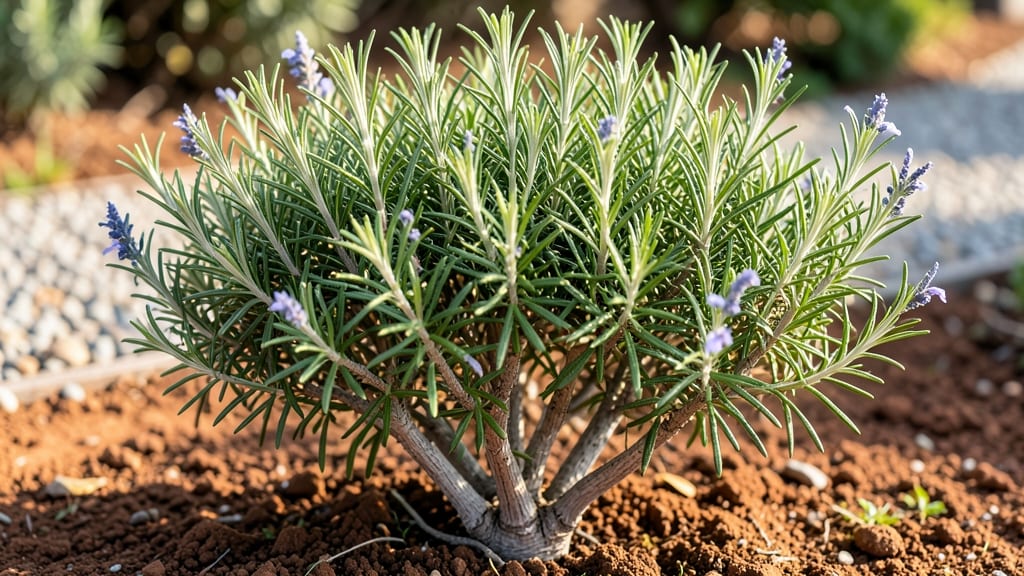
If you’re planning your herb garden, knowing how tall do rosemary plants grow could change everything—especially if space is limited or you dream of a dramatic, fragrant centerpiece.
This versatile 🌿 herb can stretch from just 1 foot to towering 6 feet, depending on the variety and how you shape it.
The key to controlling rosemary’s height lies in pruning and variety selection. Dwarf types like ‘Prostratus’ stay low and bushy, perfect for edging or container gardens, while standard varieties like ‘Hill Hardy’ can reach 4-6 feet when left unchecked.
Even in USDA Zone 6a, where winters are chilly, rosemary’s growth habits adapt—making it a resilient choice for both small patios and large landscapes.
But here’s the secret: rosemary doesn’t just grow tall—it thrives when guided. With the right pruning techniques, you can keep it compact, encourage bushier growth, or even train it into a small tree.
Whether you’re harvesting sprigs for cooking or admiring its silvery-green foliage, understanding its growth potential lets you design your garden exactly how you want it.
Ready to shape your rosemary into the perfect size? Let’s break down the varieties, pruning tips, and harvest strategies that will keep your plants healthy—and your garden looking its best. You’ll learn how to avoid leggy stems, maximize flavor, and even fit rosemary into the coziest corners.

Rosemary growth height by variety: compact vs. towering types
Rosemary’s mature height can vary dramatically—from a sprawling ground cover to a towering shrub—depending on the variety. Most standard rosemary plants reach 3 to 6 feet tall when grown in ideal conditions, but some dwarf varieties stay under 2 feet.
The key difference lies in genetics, pruning habits, and growing conditions like sunlight and soil.
For example, Rosemary 'Prostratus' stays low and wide, perfect for edging or container gardens, while Rosemary 'Hill Hardy' can grow tall and woody, thriving in cooler climates. Understanding these differences helps you choose the right variety for your space and climate.
Climate plays a huge role—rosemary grown in USDA Zones 8-10 often reaches its full height, while colder zones may see slower growth. In containers, rosemary typically stays shorter due to root restriction, making it ideal for patios or balconies.
🌿
| Variety | Mature Height | Spread | Best For |
|---|---|---|---|
| Rosemary 'Prostratus' | 1–2 ft | 3–4 ft | Ground cover, containers, edging |
| Rosemary 'Arp' | td style="padding: 10px;">2–3 ft3–4 ft | Patio pots, small gardens | |
| Rosemary 'Hill Hardy' | 3–5 ft | 3–4 ft | Cool climates, borders, hedges |
| Rosemary 'Blue Spires' | 4–6 ft | 2–3 ft | Ornamental gardens, tall borders |
| Standard Rosemary | 3–6 ft | 2–4 ft | Large gardens, hedges, culinary use |
If you’re growing rosemary in containers, expect it to stay 20–30% shorter than its in-ground height due to root restriction. For example, a standard rosemary might reach 4 feet in a pot instead of 6 feet.
Use well-draining soil and larger pots (at least 12–15 inches wide) to encourage healthier growth.
Pruning is another game-changer. Regular trimming encourages bushier growth and prevents legginess. For example, pinching back the tips of young plants promotes wider, fuller shapes. In contrast, leaving rosemary unpruned often results in taller, less dense plants with fewer leaves.
In cooler climates, rosemary may grow more slowly but can still reach 3–5 feet with proper care. Mulching around the base helps retain moisture and protect roots during winter, while full sun exposure (6+ hours daily) is non-negotiable for optimal growth.
For small gardens, dwarf varieties like 'Prostratus' are ideal—they stay low and wide, perfect for edging or container gardens. Meanwhile, taller varieties like 'Blue Spires' add vertical interest to landscape designs or herb spirals.
🌳
Remember, rosemary’s height isn’t set in stone—your pruning habits and growing conditions can significantly alter its shape. With the right variety and care, you can grow rosemary as a compact herb garden staple or a dramatic focal point in your landscape.
Pruning secrets to control rosemary height and shape
Rosemary’s height isn’t set in stone—your pruning habits can transform a leggy 3-foot shrub into a bushy 1-foot herb garden gem. The key? Strategic pruning that encourages branching while maintaining the plant’s natural form.
I’ve found that regular trimming in late spring or early summer keeps rosemary compact, while minimal pruning lets it reach its towering potential.
Start by removing woody stems from the base to redirect energy upward or outward. For taller varieties like Hill Hardy, I prune just the top growth to maintain a 4–6 foot stature.
Dwarf varieties like Prostratus? Shear them back by one-third after flowering to keep them 1–2 feet tall and sprawling. Think of pruning as sculpting—shape your rosemary to fit your space!
Timing matters too. Spring pruning (March–April) promotes bushier growth, while summer pruning (June–July) keeps the plant tidy before winter. I skip heavy pruning in fall and winter when rosemary’s growth slows. For container-grown rosemary, prune more frequently—every 4–6 weeks—to prevent root-bound stress and encourage dense foliage.
If your rosemary looks leggy or sparse, it’s begging for a hard prune. Cut back one-third of the plant to the woody base in early spring.
This might sound drastic, but rosemary rebounds with vigorous new growth within weeks. Just avoid pruning in extreme heat—it stresses the plant and attracts pests.
For ornamental shapes, like a hedge or topiary, use a hand pruner or hedge shears to trim evenly. I like to shape mine into pyramids or spirals for a whimsical touch.
Just remember: less is more with rosemary. Over-pruning can leave it woody and bare, while under-pruning leads to floppy, unruly growth.
Finally, don’t toss those pruned stems! Use them for culinary herbs or propagate new plants. Dip cuttings in rooting hormone, plant in well-draining soil, and keep them bright and moist until roots form.
Within 6–8 weeks, you’ll have a bushy new rosemary plant ready to thrive in your garden or kitchen. Happy pruning!