
How To
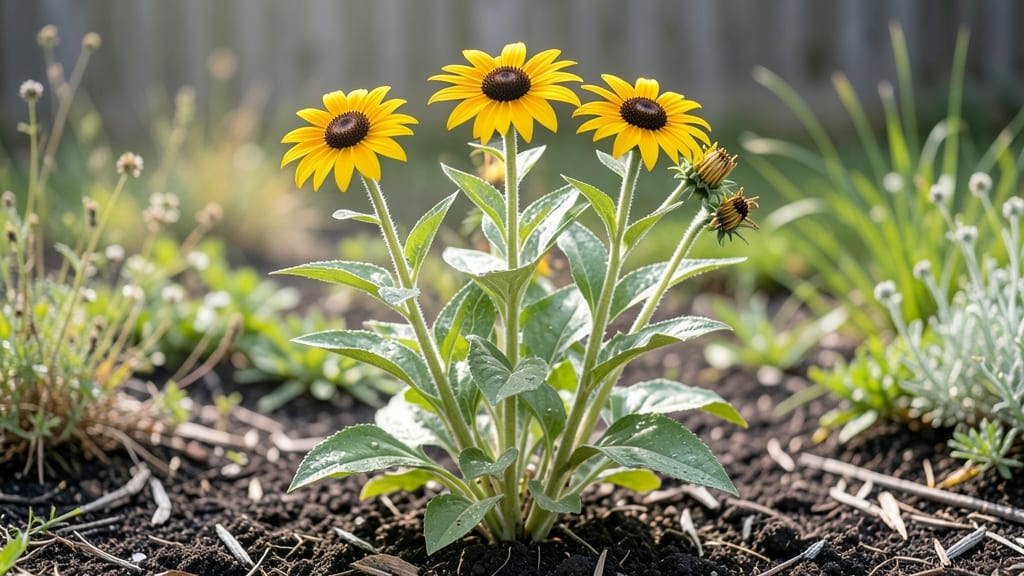
Wondering how tall do rudbeckia grow before they steal the show in your garden? These vibrant blooms—often called black-eyed Susans—can surprise you with their height range, from compact 1-foot wonders to towering 4-foot giants that demand space.
If you're planning your garden layout, knowing the right variety makes all the difference. Some stay neatly contained for borders, while others reach for the sky, perfect for backdrops or cutting gardens.
The good news? A few simple adjustments—like sunlight and soil—can help you control their growth and keep them within your design vision.
Whether you're a seasoned gardener or just starting out, understanding rudbeckia's height potential helps you place them strategically. Need a low-maintenance border? There's a variety for that. Want bold statement plants? We've got those too. Let's break down the options so you can choose what works best for your space.
Ready to transform your garden with these cheerful flowers? I'll show you how to pick the perfect rudbeckia for your needs—plus tips to keep them thriving at the ideal height. Let's get growing!

Rudbeckia height by variety: compact vs. tall options
When planning your garden, knowing rudbeckia height by variety helps you choose the perfect black-eyed Susan for your space. These sun-loving perennials offer stunning diversity—from dwarf varieties perfect for containers to tall giants that create dramatic backdrops.
Let’s explore the height ranges you’ll encounter and how they fit into your landscape design.
Most rudbeckia varieties fall into three height categories: compact (1-2 ft), medium (2-3 ft), and tall (3-4 ft). The variety you pick can transform a small patio garden into a vibrant oasis or add height to a mixed border.
For example, 'Goldsturm'—a popular choice—typically reaches 3-4 feet, while 'Cherry Brandy' stays closer to 1-2 feet.
Height isn’t just about aesthetics—it also affects sunlight exposure, water needs, and even pruning requirements. Taller varieties may need staking, while shorter ones thrive in tight spaces. Below, we’ll compare the most popular rudbeckia types to help you visualize their mature sizes and ideal planting spots.
Rudbeckia Height Comparison
| Variety | Mature Height | Best For | Color |
|---|---|---|---|
| 'Goldsturm' | 3–4 ft | Back of borders, cut flowers | Golden-yellow |
| 'Herbstsonne' | 2–3 ft | Mixed borders, containers | Deep orange |
| 'Cherry Brandy' | 1–2 ft | Front of beds, rock gardens | Rust-red |
| 'Indian Summer' | 3–4 ft | Cut flowers, tall borders | Copper-orange |
| 'Little Goldstar' | 1–1.5 ft | Containers, window boxes | Golden-yellow |
🌼 Pro Tip: Taller varieties like 'Goldsturm' need 6+ hours of sun and may require staking in windy areas.
If you’re working with limited space, dwarf rudbeckia varieties like 'Little Goldstar' or 'Cherry Brandy' are game-changers. These 1-2 foot beauties fit perfectly in window boxes, hanging baskets, or the front of garden beds.
Their compact size also makes them ideal for urban gardens or balcony planters where vertical space is at a premium.
For bold statement plants, tall rudbeckia varieties like 'Goldsturm' or 'Indian Summer' shine. These 3-4 foot giants create stunning focal points when planted in groups or along fence lines.
Pair them with tall grasses or sunflowers for a wildflower meadow effect. Just remember: taller plants need well-draining soil and regular watering during their first growing season.
Height isn’t the only factor to consider—bloom time and color also play a role in your garden design. For example, 'Herbstsonne' (2-3 ft) blooms later in the season with deep orange flowers, while 'Goldsturm' offers golden-yellow blooms from summer to fall.
Mixing varieties creates a longer flowering season and adds visual interest.
Ready to plan? Start by sketching your garden layout and noting where you have full sun exposure. Taller rudbeckia varieties thrive in the back of borders, while shorter ones excel in foreground plantings.
Don’t forget to leave 12-18 inches of space between plants to allow for airflow and reduced disease risk. With the right variety, you’ll have stunning rudbeckia blooms that complement your garden’s height and style.
🌱 Next Step: Measure your garden’s vertical space and choose rudbeckia varieties that fit your vision—whether it’s a whimsical cottage garden or a modern, structured border.
Rudbeckia height by variety: compact vs. tall options
When planning your garden, knowing how tall rudbeckia varieties grow helps you create stunning visual layers. Rudbeckia hirta (common black-eyed Susan) typically reaches 1 to 3 feet, while Rudbeckia fulgida varieties can stretch up to 4 feet.
The difference comes down to genetics—some are bred for compact growth, while others thrive as bold backdrops.
For small gardens or containers, dwarf varieties like 'Indian Summer' max out at 18 inches. Meanwhile, towering types like 'Herbstsonne' can hit 4 feet, perfect for borders or cutting gardens. Your space and design goals should guide your choice!
Here’s how popular varieties compare in height and habit:
Pro tip: If you love tall varieties but have limited space, try pruning to control height. Pinch back stems in early spring to encourage bushier growth and shorter stature. This works especially well for Rudbeckia fulgida types that naturally grow taller.
For a layered look, pair compact rudbeckias (like 'Indian Summer') with tall grasses (e.g., Miscanthus) or shrubs (like Spirea). The contrast creates depth while keeping your garden dynamic. Just ensure all plants get full sun—rudbeckias thrive with 6+ hours daily.
Now that you’ve picked your perfect height, let’s explore how to maximize or control growth based on your garden’s conditions. The right care can turn a 2-foot variety into a 3-foot stunner—or keep a tall type in check! 🌼