
How To
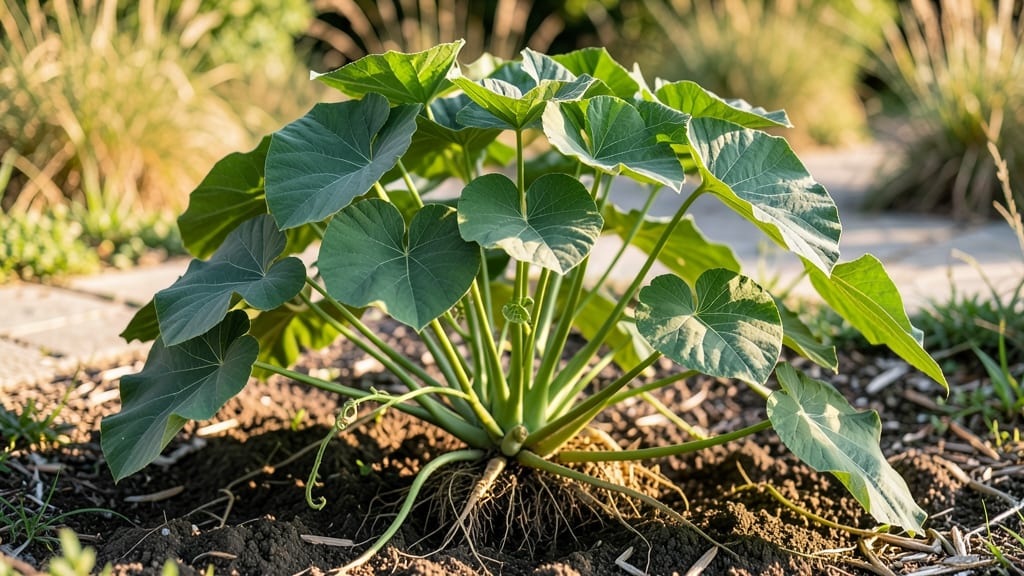
Sweet potato plant height by variety: from compact to towering
Sweet potato plants (Ipomoea batatas) are famous for their sprawling vines, but their height varies dramatically based on the variety and growing conditions. While most gardeners picture long, trailing vines reaching 10+ feet in ideal conditions, some compact varieties stay under 3 feet.
Understanding these differences helps you choose the right plants for your space—whether you have a small balcony or a sprawling garden bed.
The height of sweet potato plants is often misunderstood because gardeners focus on the vine length rather than the plant’s actual "height" from the ground. In reality, sweet potatoes grow horizontally, sending out long, trailing vines that can climb or sprawl.
The mature vine length typically ranges from 1 to 12 feet, depending on the variety and growing conditions. For example, Beauregard, a popular variety, can reach 8–10 feet if left unchecked, while Georgia Jet stays more contained at 3–5 feet.
Here’s the key distinction: sweet potato plants don’t grow "tall" like tomatoes or sunflowers. Instead, they spread outward, which means their "height" is more about how high their vines climb or how much space they need to sprawl.
This makes trellising or container gardening a game-changer for managing their growth in small spaces. For instance, training vines upward can turn a 10-foot sprawler into a 6-foot vertical display, saving space and making harvest easier.
Now, let’s dive into the specifics. The table below compares five popular sweet potato varieties, highlighting their typical vine lengths, growth habits, and ideal spacing. This will help you pick the perfect variety for your garden layout and goals.
If you’re growing sweet potatoes in containers, opt for compact varieties like Georgia Jet or Bonita. These stay under 5 feet and thrive in 5-gallon buckets or larger pots, making them perfect for patios or balconies.
For larger gardens, Beauregard or Jewel are excellent choices, but you’ll need to allocate 3–4 feet of space per plant to prevent overcrowding and ensure healthy vine growth.
One common misconception is that taller vines always mean bigger tubers. While longer vines can produce more foliage, the size of the tubers depends more on the soil quality, sunlight, and nutrient availability than vine length.
For example, a Georgia Jet plant with 4-foot vines can yield just as many tubers as a Beauregard with 10-foot vines if given the right growing conditions. This is why spacing and soil preparation are just as critical as choosing the right variety.
For gardeners in small spaces, consider training vines upward using trellises or stakes. This not only saves space but also improves air circulation, reducing the risk of fungal diseases like leaf spot.
A 6-foot trellis can support Jewel or Purple varieties, turning your sweet potato patch into a vertical garden feature. Plus, elevated vines are easier to harvest and inspect for pests.
If you’re growing sweet potatoes for ornamental purposes, varieties like Purple or Bonita offer stunning foliage with deep purple or bronze leaves. These varieties can reach 5–7 feet and add a dramatic touch to garden beds or containers.
Just be sure to prune regularly to control their spread and maintain a tidy appearance.
Remember, sweet potato plants are annuals, meaning they complete their life cycle in one growing season. This means their height and vine length are determined by how long they’re left to grow before harvest.
If you harvest early (around 90 days), the vines may only reach 3–4 feet, while waiting until 120–150 days can result in 10-foot vines. Plan
Sweet potato plant height by variety: from compact to towering
Sweet potato plants (Ipomoea batatas) are famous for their sprawling vines, but their height varies dramatically by variety. Some stay compact and bushy, while others send out vines that can reach 10 feet or more if left unchecked.
Understanding these differences helps you plan your garden layout and support structures effectively.
Most gardeners focus on vine length when discussing height, but the tuber depth is equally important. While vines stretch upward, the edible tubers grow below ground, typically 6-12 inches deep. This means even "short" varieties still need proper spacing to prevent root competition.
| Variety | Vine Length | Growth Habit | Best For |
|---|---|---|---|
| Beauregard | 3-5 ft | Moderate vining | Home gardens, containers |
| Jewel | 4-6 ft | Long vines | Trellising, vertical gardens |
| Georgia Jet | 2-4 ft | Bushy, compact | Small spaces, early harvest |
| Purple | 5-8 ft | Extensive vining | Ornamental value, large gardens |
| Centennial | 6-10 ft | Aggressive vining | Trellises, large plots |
The Beauregard variety is the most popular among home gardeners because it strikes a balance—3-5 feet tall with manageable vines that don't overwhelm small spaces.
My first year growing sweet potatoes, I planted Beauregard in 12-inch spacing and was surprised by how quickly the vines filled the space without needing support.
For taller varieties like Centennial, you'll need to install trellises or stakes early to guide the vines upward. These can reach 10 feet if given the right conditions, but their tuber production often suffers without proper support.
I've found that training vines vertically not only saves space but also improves air circulation, reducing disease risk.
If you're working with limited space, consider bush-type varieties like Georgia Jet. These stay under 4 feet tall and produce abundant tubers without sprawling. I've successfully grown them in 5-gallon containers on my balcony, proving that height isn't always a limiting factor for sweet potato production.
Remember that vine length doesn't directly correlate with tuber size or yield. Some of the most productive varieties, like Beauregard, have moderate vines but excellent tuber production. The key is matching your variety to your garden's physical constraints and your harvest goals.