
How To
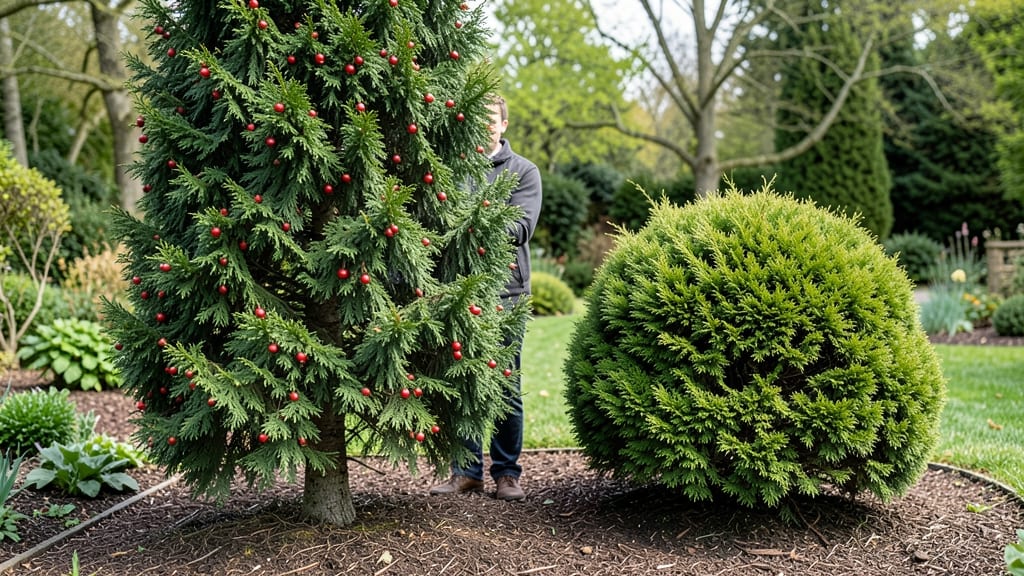
If you're wondering how tall do yews grow, the answer might surprise you—these evergreen giants can stretch from a modest 3 feet to towering heights of 40 feet, depending on the variety and growing conditions.
That’s a dramatic range, and choosing the right type for your space is key to avoiding a landscape that feels either too cramped or overwhelming.
The fastest-growing yews like Taxus cuspidata can shoot up 2 feet per year, while slower varieties like Taxus baccata mature more gradually.
Whether you’re dreaming of a privacy screen or a graceful accent tree, understanding these differences helps you plan for the future—because once planted, yews are here to stay for decades.
But here’s the twist: height isn’t just about genetics. Soil quality, sunlight, and even your pruning habits play a huge role in how tall (or short) your 🌲 yew becomes.
I’ll break down the fastest-growing varieties, how to control their height, and what to expect based on your climate—so you can make the best choice for your yard.
Ready to discover which yew fits your space? Let’s dive into the details so you can enjoy these resilient trees without the guesswork.

Mature height of yew trees: fastest-growing varieties and their skyward potential
Yew trees (Taxus spp.) are legendary for their longevity and striking evergreen foliage, but their mature height can range from a compact 3-foot shrub to a towering 60-foot giant. The fastest-growing varieties reach their full height in just 20-30 years, while slower-growing types may take decades.
If you’re planning your landscape, knowing these differences is key to avoiding overgrowth or underwhelming results.
For example, the English yew (Taxus baccata) can climb to 40-60 feet in ideal conditions, while its Japanese cousin, Taxus cuspidata, typically maxes out around 30-50 feet.
Even within a single species, cultivars vary wildly—some stay under 10 feet while others shoot upward like skyscrapers. Let’s break down the fastest-growing types and what to expect from each.
| Variety | Mature Height | Growth Rate (per year) | Ideal Spacing | Notes |
|---|---|---|---|---|
| Taxus baccata 'Fastigiata' (Upright Yew) | 40–60 ft | 12–24 in | 20–30 ft from structures | Fastest-growing yew; needs pruning to control width. |
| Taxus cuspidata 'Spreading Yew' | 20–30 ft | 8–15 in | 10–15 ft apart | Dense, spreading habit; great for hedges. |
| Taxus × media 'Hillspire' | 6–12 ft | 6–10 in | 5–8 ft apart | Semi-dwarf; ideal for small yards. |
| Taxus baccata 'Repandens' | 3–6 ft | 3–6 in | 3–4 ft apart | Dwarf variety; perfect for containers. |
| Taxus brevifolia (Pacific Yew) | 30–50 ft | 10–18 in | 20–25 ft from structures | Slow to establish but cold-hardy. |
The growth rate of yew trees isn’t just about height—it’s also about how quickly they fill out their canopy width. For instance, Taxus baccata 'Fastigiata' might grow 2 feet per year in height but only 6 inches in diameter, making it a great choice for narrow spaces.
Meanwhile, spreading varieties like Taxus cuspidata 'Spreading Yew' prioritize width, creating a low, dense hedge that’s perfect for privacy screens.
If you’re planting near a power line or fence, opt for slower-growing varieties like Taxus × media 'Densiformis' (3–6 ft tall) or Taxus baccata 'Repandens' (3–6 ft). These stay manageable even with minimal pruning.
For larger properties, the Pacific yew (Taxus brevifolia) is a stunning native option that thrives in USDA zones 5–8 and tolerates poor soil conditions better than many other yews.
One common misconception is that all yews grow at the same pace. In reality, soil quality, sunlight, and water availability can double or halve their growth rate. For example, a yew planted in rich, well-draining soil with morning sun will outpace one struggling in clay-heavy or waterlogged soil.
Always amend your soil with compost or sand to encourage healthy growth.
When planning your landscape, consider the mature height of your yew relative to nearby structures. A 60-foot yew planted 10 feet from your house will soon block windows and require aggressive pruning.
Always leave at least half its mature height in clearance from buildings, fences, and driveways. For example, a 40-foot yew needs 20 feet of clearance to avoid future conflicts.
For those eager to see quick results
How to control yew tree height: pruning, variety selection, and growth hacks
If you’ve ever wondered how to keep your yew trees from becoming towering giants, you’re in the right place. While some varieties naturally stay compact, others can reach 40 feet or more without intervention.
The good news? With the right pruning techniques and variety selection, you can manage their height effectively—whether you want a dwarf yew for a garden border or a semi-dwarf for privacy screening.
First, let’s tackle the fastest-growing yews. Varieties like Taxus baccata can grow 12–24 inches per year if left unchecked. To slow this down, focus on regular pruning—especially in late winter or early spring—when the tree is still dormant but ready to respond.
This is the best time to shape your yew and encourage denser, bushier growth rather than vertical stretching.
Late winter to early spring (before new growth starts) is ideal. Avoid heavy pruning in summer, as it can stress the tree and encourage sparse growth.
Disinfect pruners with rubbing alcohol to prevent disease spread. Use bypass pruners for clean cuts on branches up to 1 inch thick.
Remove no more than 25% of the foliage in a single year. Over-pruning can weaken the tree and leave it vulnerable to pests.
For compact yews, opt for cultivars like Taxus × media 'Densiformis' (3–6 ft) or Taxus baccata 'Repandens' (6–10 ft). These stay manageable with minimal pruning.
Poor soil or excessive sunlight can speed up growth. Amend soil with organic matter and provide partial shade to slow vertical growth.
One of the biggest mistakes gardeners make is pruning too late in the season. Summer pruning can stimulate weak, leggy growth, while fall pruning may not allow enough time for the tree to heal before winter.
Instead, plan your pruning sessions for February or March, when the tree is actively preparing for new growth but hasn’t yet broken dormancy.
For those who want a natural-looking yew hedge or a taller privacy screen, consider semi-dwarf varieties like Taxus × media 'Hillspire', which typically reach 6–12 feet. These varieties grow at a moderate pace and require less aggressive pruning than their taller counterparts.
If you’re planting near a fence or wall, they’ll provide a lush, green barrier without overwhelming your space.
Finally, don’t underestimate the power of mulching. A 3-inch layer of mulch around the base of your yew helps retain moisture, regulates soil temperature, and discourages weeds—all of which contribute to healthier, slower-growing trees.
Pair this with balanced fertilization (like a 5-10-10 NPK blend in early spring) to encourage steady, controlled growth.
With these strategies, you can enjoy the beauty of yews without worrying about them outgrowing their welcome. Whether you’re aiming for a neat hedge, a statement tree, or a compact accent plant, the key is consistency in care and smart variety selection. Happy pruning! ✂️🌿