
How To
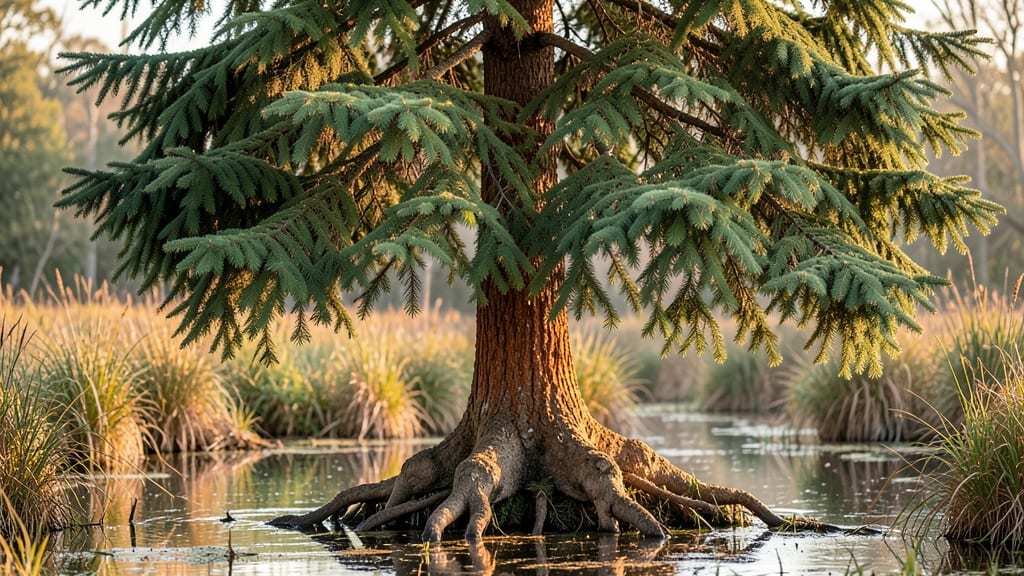
Cypress tree height ranges by variety: from dwarf to towering giants
Cypress trees are famous for their striking silhouettes and towering heights, but not all varieties reach the same sky-scraping proportions.
The Bald Cypress (Taxodium distichum), for example, can soar up to 75 feet with a spread of 20-35 feet, while the Montezuma Cypress (Taxodium mucronatum) often stays between 30-50 feet. Choosing the right variety ensures your tree fits your space without overwhelming it.
For smaller landscapes, consider the 'Little Gem' Bald Cypress, a compact cultivar that maxes out at 25-35 feet but still delivers the iconic cypress shape. On the opposite end, the Leyland Cypress (× Cupressocyparis leylandii) is a rapid grower, often reaching 60-70 feet in just 10-15 years.
Understanding these differences helps you plan for both immediate and long-term landscaping needs.
Here’s a quick comparison of popular cypress varieties and their mature heights to guide your selection:
| Variety | Mature Height (ft) | Spread (ft) | Growth Rate | Best For |
|---|---|---|---|---|
| Bald Cypress (Taxodium distichum) | 40-75 | 20-35 | Moderate | Wetlands, large yards |
| 'Little Gem' Bald Cypress | 25-35 | 8-12 | Slow | Small spaces, privacy screens |
| Leyland Cypress (× Cupressocyparis leylandii) | 60-70 | 15-25 | Fast | Windbreaks, fast privacy |
| Montezuma Cypress (Taxodium mucronatum) | 30-50 | 15-25 | Moderate | Arid climates, drought-tolerant yards |
| Monterey Cypress (Cupressus macrocarpa) | 30-50 | 15-25 | Moderate | Coastal gardens, wind resistance |
| Arizona Cypress (Cupressus arizonica) | 40-60 | 15-25 | Slow | Dry climates, desert landscapes |
The Bald Cypress is a standout for its adaptability, thriving in both wet and dry soils, while the Leyland Cypress is prized for its rapid growth, making it ideal for quick privacy solutions.
If you’re working with limited space, the 'Little Gem' offers all the elegance of a cypress without the bulk. Always check your USDA hardiness zone to ensure the variety you choose will thrive in your climate.
For gardeners in Zones 6-10, most cypress varieties will flourish, but some, like the Montezuma Cypress, prefer warmer climates. Before planting, measure your space not just for the tree’s height but also its canopy spread, as overcrowding can stunt growth or invite pests.
A well-placed cypress can become a focal point, but its size demands careful planning.
If you’re aiming for a tall, dramatic tree, the Bald Cypress or Leyland Cypress are excellent choices, while smaller varieties like 'Little Gem' or 'Swamp Box' (a dwarf Bald Cypress) are perfect for patios or container gardening.
Consider your landscape goals—whether it’s privacy, shade, or aesthetic appeal—and match them with the right variety.
Pro tip: When planting, leave at least 10-15 feet of clearance around the base of larger cypress varieties to accommodate their spreading roots and branches. This prevents future crowding and ensures healthy growth. For smaller varieties, 5-8 feet of space is usually sufficient.
Cypress trees also vary in their growth rates. The Leyland Cypress, for instance, can grow 3-4 feet per year under ideal conditions, while the Bald Cypress grows more slowly at 1-2 feet annually.
This difference impacts how quickly your tree will fill out its space, so factor it into your timeline for landscaping projects.
Whether you’re drawn to the weeping branches of the Bald Cypress or the dense foliage of the Leyland Cypress, understanding these height ranges helps you make an informed choice.
Pair your selection with proper soil preparation and sunlight exposure, and you’ll set the stage for a cypress tree that thrives for decades.
Factors that influence cypress tree growth height: soil, climate, and care
Cypress trees may have genetic height limits based on their variety, but their actual growth is heavily influenced by external factors. The right soil conditions, climate suitability, and care practices can help a tree reach its full potential—or stunt its growth entirely.
For example, a Leyland Cypress planted in rich, moist soil might grow 3 feet faster per year than one struggling in compacted clay.
One of the biggest factors is soil drainage. Cypress trees hate soggy roots, which can lead to root rot and stunted growth. Sandy, well-draining soil is ideal, while heavy clay can slow growth by 20-30%.
Amending your soil with compost or organic matter can make a dramatic difference, especially in USDA Zones 6-9 where many cypress varieties thrive.
Climate plays a critical role too. Coastal cypress varieties like the Monterey Cypress thrive in humid, maritime climates with coastal fog and salty air. Inland or arid regions may require extra watering and mulching to replicate these conditions. Meanwhile, Bald Cypress naturally adapts to swampy conditions, making it perfect for wetland gardens but a poor choice for dry, desert landscapes.
Your watering habits directly impact height growth. Young cypress trees need consistent moisture to establish strong roots, but overwatering can suffocate them. Once established, most cypress varieties are drought-tolerant, but deep, infrequent watering encourages deeper root systems and taller growth.
A 1-inch weekly watering during dry spells can boost height growth by up to 50% in the first 3 years.
✅ DO THIS
- 🌱 Amend soil with compost for better drainage
- ☀️ Plant in full sun (6+ hours daily)
- 💧 Water deeply 1-2x per week (first 2 years)
- 🪴 Mulch heavily (3-4 inches) to retain moisture
❌ AVOID THIS
- 🚫 Plant in low spots where water pools
- 🚫 Use heavy clay soil without amending
- 🚫 Over-prune young trees (wait until established)
- 🚫 Fertilize heavily in first year (can burn roots)
Even the right variety for your zone can grow taller or shorter based on pruning practices. Regular pruning to remove dead or crossing branches encourages stronger vertical growth, while aggressive topping can stunt a tree’s height permanently.
If you’re aiming for a taller cypress, avoid heavy pruning in the first 5 years—this is when most height growth occurs.
Finally, pests and diseases can dramatically reduce height potential. Bagworms, spider mites, and fungal infections like canker disease weaken trees, causing stunted growth or even death. Regular inspections and preventative sprays (like neem oil) can help your cypress reach its full genetic height without setbacks.
With the right conditions, your cypress could outgrow expectations—but neglect even one factor, and you might end up with a tree that’s half the height it could be.
Start with soil prep, then monitor climate and care to give your tree the best chance to reach its majestic potential. 🌳