
How To
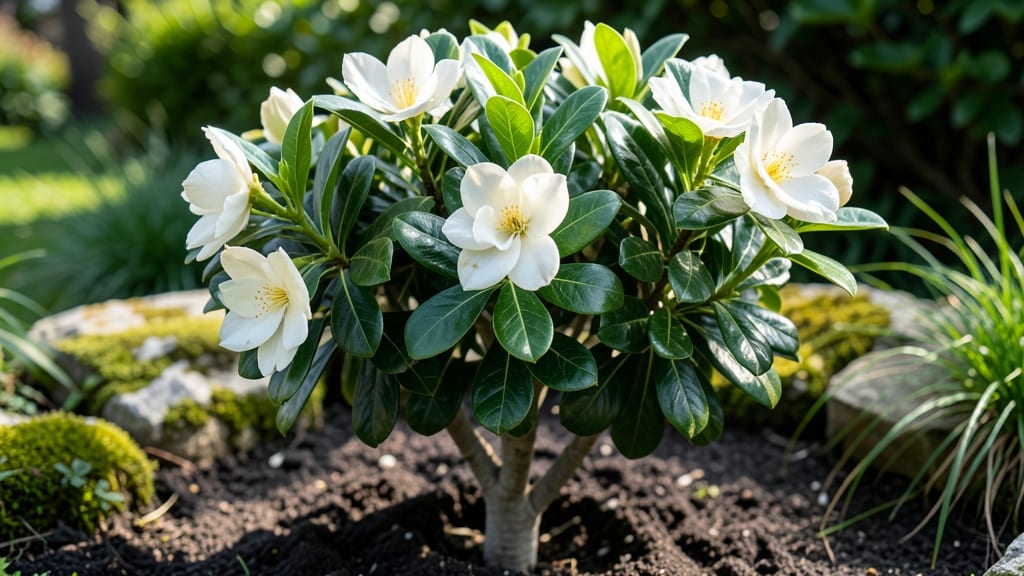
Wondering how tall a gardenia tree 🌺 can grow before it becomes a space hog? The answer might surprise you—these fragrant beauties range from compact shrubs to towering specimens, depending on the variety and care you provide.
If you're envisioning a 6-foot garden centerpiece or a 15-foot statement tree, you're not alone. Gardenias grow at different rates, with some reaching maturity in just a few years while others take longer. The key to managing their height lies in understanding their growth habits and learning simple pruning techniques.
In this guide, I’ll break down the height expectations for popular gardenia varieties—from dwarf options perfect for patios to standard trees that thrive in larger landscapes.
You’ll also discover how to control their size through strategic pruning and cultivation, so you can enjoy their intoxicating blooms without sacrificing your garden’s layout.
Whether you're a beginner gardener or a seasoned plant enthusiast, these insights will help you choose the perfect gardenia for your space and keep it looking its best year after year.

Gardenia tree height by variety: from dwarf to giant sizes
When planning your garden, understanding the mature height of a gardenia tree is crucial. These tropical beauties can range from compact shrubs to towering specimens, depending on the variety. Knowing these differences helps you choose the perfect plant for your space—whether it's a cozy patio or a sprawling backyard.
Let’s break down the height variations and what influences their growth.
Most gardenias fall into three main size categories: dwarf varieties (3-5 ft), semi-dwarf varieties (6-10 ft), and standard varieties (10-15 ft). Your choice depends on your available space, desired fragrance intensity, and even your climate.
For example, a dwarf gardenia thrives in containers on balconies, while a standard gardenia makes a stunning focal point in larger gardens.
Climate plays a significant role in height. Gardenias grown in warmer USDA zones (8-11) tend to reach their full potential, while those in cooler zones (6-7) may stay shorter.
Additionally, pruning habits and soil conditions can influence how tall your gardenia grows. Acidic, well-draining soil and regular pruning can help manage growth and encourage bushier, healthier plants.
Here’s a quick comparison of popular gardenia varieties and their mature heights to help you visualize their potential size in your garden:
If you’re planting a dwarf gardenia like Kleimschmidtiana, expect it to mature in about 2-3 years, while larger varieties like Fortuniana may take 5-7 years to reach their full height.
Patience is key, but the reward is worth it—those creamy white blooms and intoxicating fragrance will transform your outdoor space.
For gardeners in cooler climates (USDA zones 6-7), gardenias may grow more slowly and stay shorter. In these areas, consider planting in containers and bringing them indoors during winter to protect them from frost.
This also gives you control over their height and makes them easier to manage in smaller spaces.
Another factor to consider is the growth rate. Gardenias typically grow about 12-24 inches per year, depending on the variety and growing conditions. For example, the Radicans gardenia can grow up to 2 feet per year in ideal conditions, while dwarf varieties like Kleimschmidtiana grow much slower.
Plan accordingly if you’re aiming for a specific height or shape.
Lastly, don’t forget that pruning can significantly influence your gardenia’s height and shape. Regular pruning encourages bushier growth and prevents legginess. If you’re growing a gardenia in a container, pruning is even more critical to maintain its size and health.
We’ll dive deeper into pruning techniques in the next section to help you keep your gardenia at your desired height.
Choosing the right gardenia variety for your space ensures you’ll enjoy its beauty and fragrance without worrying about overgrowth. Whether you opt for a compact shrub or a tall tree-like specimen, understanding these height variations will help you create the perfect garden oasis. 🌺
Gardenia tree height by variety: from dwarf to giant sizes
When planning your garden, knowing the mature height of a gardenia tree is key to choosing the right variety for your space. Gardenias can range from compact shrubs to towering trees, with heights varying by cultivar.
For example, the dwarf gardenia stays between 3-5 feet, making it perfect for containers or small gardens, while larger varieties like the standard gardenia can reach 10-15 feet, ideal for privacy screens or backyard focal points.
Your garden’s climate zone also plays a role in height. In warmer zones (USDA 8-11), gardenias grow faster and taller, while in cooler zones (USDA 6-7), they may stay smaller unless given extra care.
For instance, a semi-dwarf gardenia in Florida might hit 8-10 feet, but the same variety in California could max out at 6-8 feet due to milder winters.
Here’s a quick comparison of popular gardenia varieties and their expected mature heights:
| Variety | Mature Height | Best For |
|---|---|---|
| Dwarf Gardenia (Gardenia jasminoides 'Radicans') | 3-5 ft | Containers, patios, small gardens |
| Semi-Dwarf Gardenia (Gardenia jasminoides 'Kleim's Hardy') | 6-10 ft | Foundation plantings, medium gardens |
| Standard Gardenia (Gardenia jasminoides 'Veitchii') | 10-15 ft | Privacy screens, large yards |
| Climbing Gardenia (Gardenia augusta) | Up to 20 ft (with support) | Trellises, arbors, large pergolas |
If you’re unsure which variety to pick, consider your garden’s available space and the desired purpose. For example, a dwarf gardenia in a 10-gallon pot will stay compact, while a standard gardenia planted in the ground will spread its branches wider.
Always check the nursery label for exact height expectations, as some hybrid varieties may exceed typical ranges.
Another factor to watch is growth rate. Young gardenias grow about 12-18 inches per year in ideal conditions, but this can slow in cooler climates.
For faster growth, ensure your gardenia gets well-draining, acidic soil (pH 5.0-6.0) and partial shade to protect it from harsh afternoon sun, which can stress the plant and limit its height potential.
For gardeners in small urban spaces, opt for container-friendly varieties like 'Radicans' or 'Fortuniana,' which thrive in pots and can be easily moved. Meanwhile, those with large properties might prefer taller varieties like 'Veitchii' for a dramatic, fragrant statement.
Always measure your space before planting to avoid outgrowing your garden!
Remember, even if you choose a taller variety, pruning techniques can help manage height and shape. We’ll cover those in the next section, so stay tuned for tips on keeping your gardenia at your desired size without sacrificing those iconic white blooms!