
How To
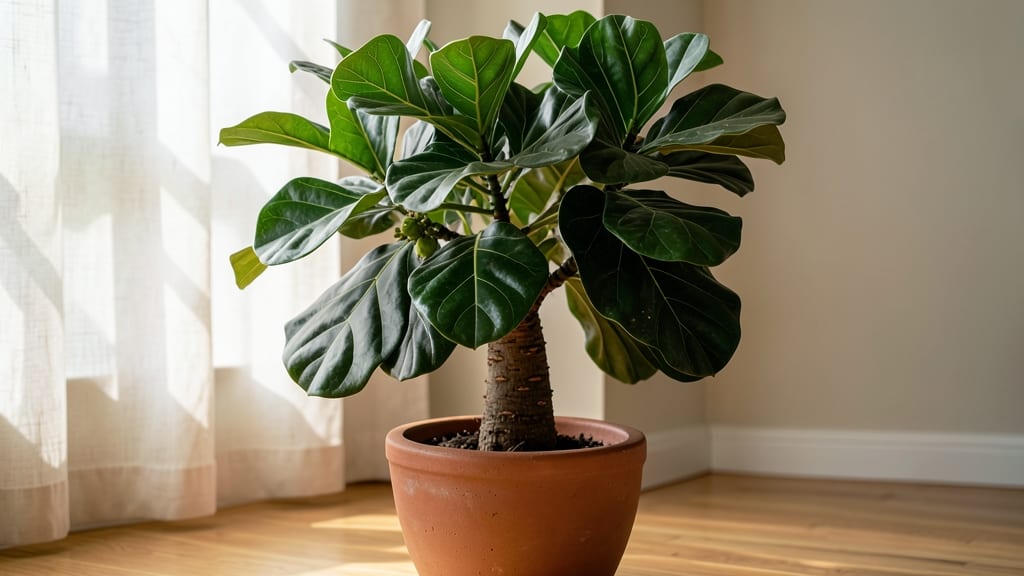
If you’ve ever wondered how tall a fiddle leaf fig can grow 🌿 and whether it’ll soon need a ceiling to reach for, you’re not alone. The answer isn’t just about time—it’s about the variety you’ve got, the light it’s basking in, and a few care tricks most people miss.
Some varieties stay compact enough for a coffee table, while others can stretch taller than you are within just a few years.
Let’s cut through the guesswork. Whether you’re dealing with a ‘Bradford’ that’s already reaching for the sky or a ‘Norman’ that’s growing at a more manageable pace, understanding its growth habits is the key to keeping it happy—and at your desired height.
I’ll walk you through what to expect from each type, plus how to gently guide its growth with simple adjustments.
Here’s the game-changer: pruning isn’t just about trimming unsightly leaves—it’s a way to control height, encourage bushier growth, and even propagate new plants. And yes, the pot you choose (and when you repot) plays a bigger role than you might think.
Ready to learn how to keep your fiddle leaf fig at the perfect height without sacrificing its health?
From 6-foot tabletop giants to towering 10-foot statement pieces, we’ll cover it all. Whether you’re a first-time plant parent or a seasoned grower, these insights will help you shape your fiddle leaf fig’s future—before it outgrows your space (or your patience). Let’s get started.

Fiddle leaf fig height by variety: small, medium, and giant growth expectations
Your fiddle leaf fig (Ficus lyrata) can become a stunning centerpiece—but its final height depends entirely on its variety and care. While some stay compact enough for shelves, others reach ceiling heights in just a few years.
Let’s break down what to expect from the most popular types, so you can plan your space (and pruning strategy) accordingly.
The average mature height for a fiddle leaf fig ranges from 6 to 12 feet, but dwarf varieties can stay as short as 4 feet with proper care.
Genetics play a huge role—some varieties grow aggressively, while others remain bushier. Understanding these differences helps you choose the right plant for your home or office.
Here’s how the most common varieties compare in height, along with their growth habits and ideal environments:
| Variety | Mature Height | Growth Rate | Best For |
|---|---|---|---|
| 'Bradford' | 10–12 ft | Fast (2–3 ft/year) | Large spaces, statement plants |
| 'Norman' | 6–8 ft | Moderate (1–2 ft/year) | Living rooms, offices |
| 'Red Ruby' | 8–10 ft | Fast (2 ft/year) | Bright interiors, bold decor |
| 'Little Miss Figgy' | 4–6 ft | Slow (1 ft/year) | Small spaces, shelves |
| 'Amstel' | 6–8 ft | Moderate (1.5 ft/year) | Balconies, sunrooms |
Height varies with light, pruning, and pot size. Outdoor plants grow taller than indoor specimens.
The 'Bradford' variety is the tallest, often reaching 12 feet indoors with ideal care, while 'Little Miss Figgy' stays petite enough for countertops. If you’re working with limited vertical space, opt for dwarf varieties or plan to prune regularly.
Even fast-growing types like 'Red Ruby' can be managed with strategic trimming.
Light exposure is the #1 factor influencing height. A fiddle leaf fig in low light will grow leggy and tall (up to 3 feet taller than expected) as it stretches toward light sources.
Conversely, bright indirect light promotes bushier, more compact growth. Position your plant near an east or west-facing window for the best balance of height control and leaf vibrancy.
Pot size also affects height—root-bound plants grow faster vertically because they’re stressed. If you notice your fiddle leaf fig shooting up too quickly, it’s time to repot into a slightly larger container (just 1–2 inches wider) to encourage wider growth.
This simple trick can reduce height by 20–30% over a year.
Pro tip: Rotate your plant quarterly to ensure even light exposure. This prevents lopsided growth and keeps the canopy balanced, making your fiddle leaf fig look fuller and more controlled. Even tall varieties like 'Bradford' will benefit from this habit.
For those with ceiling-height ceilings, embrace the drama—tall fiddle leaf figs thrive as vertical focal points. Just ensure your space has high humidity (they love 40–50% humidity) and consistent watering to support their rapid growth.
A happy tall fiddle leaf fig can live for decades, becoming a cherished part of your home’s architecture.
🌿
How to control fiddle leaf fig height: pruning, light, and care hacks
Managing your fiddle leaf fig’s height starts with understanding its natural growth patterns. These plants can grow 10-12 feet tall indoors if left unchecked, but with the right techniques, you can keep them at a compact 6-8 feet—perfect for living spaces.
The key lies in light exposure, pruning strategies, and root management.
First, let’s address the most common question: Can you prune a fiddle leaf fig to control height? Absolutely! Pruning isn’t just for shape—it’s a tool to encourage bushier growth and prevent leggy stems.
The best time to prune is in spring or early summer, when the plant is actively growing. Simply cut back overgrown branches just above a leaf node, and your fig will respond by sending out new shoots from that point.
🌿 Pro Tip: Pruning Hack for Height Control
To keep your fiddle leaf fig shorter and bushier, prune the tallest stems first. Use clean, sharp pruners and cut at a 45-degree angle just above a leaf node. This encourages lateral branching, creating a fuller, more compact plant.
💡 Bonus Tip: Propagate the cuttings in water to grow new plants!
Light is another critical factor in controlling height. Fiddle leaf figs thrive in bright, indirect light, but too little light causes them to stretch toward light sources, leading to leggy growth. Position your plant within 2-3 feet of an east or west-facing window to provide the ideal balance.
If you notice long, thin stems, it’s a sign your plant needs more light or a growth regulator.
Root-bound plants also contribute to rapid vertical growth. When roots circle the pot or grow through drainage holes, your fiddle leaf fig will focus energy on height over width. To fix this, repot every 2-3 years into a container just 1-2 inches larger than the current one.
Use a well-draining potting mix with perlite or orchid bark to prevent compaction, which can stunt root development.
Finally, don’t overlook the role of fertilizer and watering. Over-fertilizing can lead to excessive leaf growth at the expense of structural support, making stems weak and prone to bending. Stick to a balanced 10-10-10 fertilizer applied every 4-6 weeks during the growing season.
Water deeply but allow the top 1-2 inches of soil to dry out between waterings to prevent root stress, which can slow height growth.
With these height-control strategies, you can enjoy a fiddle leaf fig that stays at your desired size while thriving. The secret is consistency—prune regularly, monitor light levels, and give your plant the right conditions to grow strong and compact instead of towering over your home.