
How To
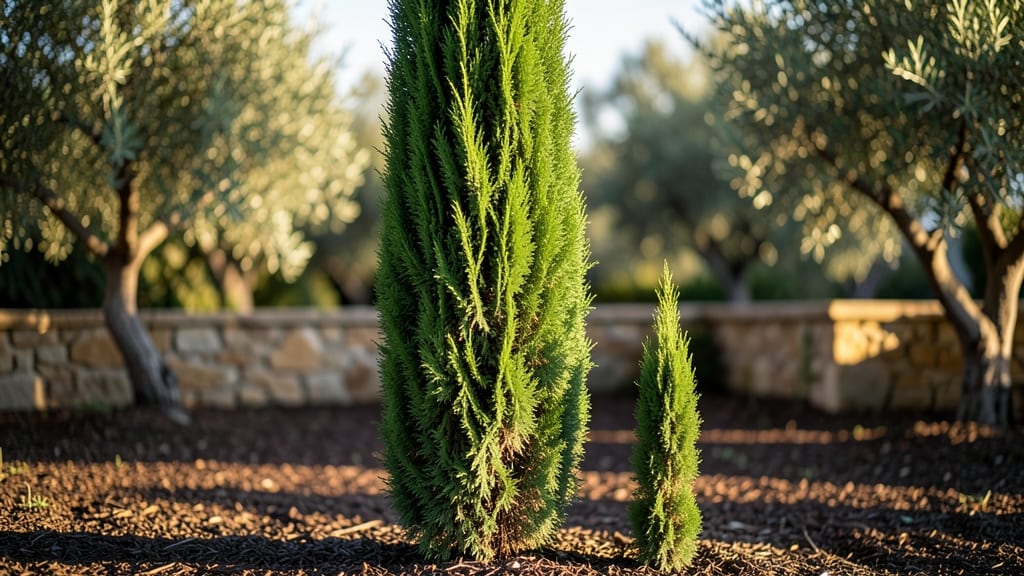
If you're dreaming of a towering Italian Cypress 🌲 as the centerpiece of your landscape, you might be surprised to learn how tall this tree can grow—ranging from a modest 30 feet to an impressive 70 feet, depending on the variety and growing conditions.
This iconic evergreen isn’t just about height; it’s about the statement it makes in your outdoor space.
Before you plant, it’s crucial to understand how factors like soil, sunlight, and pruning can influence its growth. Some varieties, like the 'Tiny Tower', stay compact, while others reach sky-high proportions. I’ll break down exactly what to expect so you can choose the perfect fit for your yard.
Whether you’re working with limited space or aiming for a grand focal point, knowing how tall an Italian Cypress grows helps you plan for spacing, maintenance, and even wind resistance. Let’s explore the key factors that determine its height and how to nurture it for the best results.
From dwarf varieties to towering giants, this guide will help you visualize the possibilities and make an informed decision. Ready to transform your landscape with this stunning tree? Let’s get started.

Italian cypress tree height by variety: which grows tallest?
The Italian cypress (Cupressus sempervirens) is famous for its striking vertical growth, but its mature height depends heavily on the specific variety you choose. Some tower like skyscrapers, while others stay compact—perfect for smaller yards.
Let’s break down the most popular cultivars and their height expectations so you can pick the right fit for your space.
If you’re dreaming of a dwarf variety that won’t overwhelm your landscape, the ‘Tiny Tower’ is your best bet. This cultivar matures at a modest 15–25 feet, making it ideal for urban gardens or as a privacy screen in tight spaces.
Its slow growth rate also means less frequent pruning—just 1–2 feet per year—so it stays manageable for decades.
For a classic Italian cypress look, the ‘Fastigiata’ is the gold standard. This variety grows 40–70 feet tall with a narrow, columnar shape—perfect for creating dramatic focal points or tall hedges.
Its rapid growth (up to 3 feet per year in ideal conditions) means it can reach its full height in just 20–30 years, so plan your spacing accordingly.
🌲
If you love the silvery-blue foliage of the Italian cypress, the ‘Glauca’ variety is a stunning choice. It grows 30–50 feet tall and thrives in coastal climates, where it can handle salty air and sandy soils.
Its slower growth rate (compared to ‘Fastigiata’) makes it easier to manage in smaller landscapes, but it still needs plenty of space to spread its roots.
The ‘Stricta’ variety is another excellent option for those with limited space. It tops out at 20–30 feet and has a denser, bushier form than the classic ‘Fastigiata’. This makes it perfect for privacy screens or as a windbreak in rural areas.
Just be sure to plant it 8–10 feet apart to avoid overcrowding as it matures.
When choosing a variety, also consider your pruning goals. The taller varieties like ‘Fastigiata’ benefit from annual pruning to maintain their shape and encourage dense foliage. Use sharp, clean pruners to trim back overgrown branches in late winter or early spring, just as new growth begins.
For urban gardens or containers, consider the ‘Tiny Tower’—it’s the only variety that truly stays small. Just ensure your container is at least 2 feet wide and deep to accommodate its root system.
Even in containers, it can reach 15–20 feet over time, so choose a spot where it won’t outgrow its surroundings.
🪴
Pro tip: If you’re planting multiple Italian cypress trees, space them at least 10–15 feet apart to prevent root competition. This ensures each tree has room to grow to its full potential without stunting its height or density.
In windy areas, consider staking young trees for the first few years to help them establish a strong root system.
How growth conditions affect Italian cypress height: sun, soil, and climate factors
Your Italian cypress’s final height depends heavily on its growing conditions. While some varieties naturally stay shorter, sunlight exposure, soil quality, and climate factors can push a tree toward the 70-foot mark or limit it to 30 feet.
Let’s break down how each factor influences growth so you can optimize—or control—your tree’s height.
First, full sun exposure is non-negotiable for Italian cypresses. These trees thrive with 6–8+ hours of direct sunlight daily. In coastal climates with mild summers, they grow faster due to consistent sunlight, while inland areas with intense afternoon sun may see slightly slower growth but denser foliage.
If your tree is in partial shade, expect stunted growth and weaker branches.
🌱 Key Growth Factors for Italian Cypress Height
| Factor | Ideal Condition | Height Impact |
|---|---|---|
| Sunlight | 6–8+ hours daily | Maximizes growth (up to 70 ft) |
| Soil Drainage | Well-draining, slightly alkaline | Poor drainage = stunted growth |
| Water Availability | Deep watering weekly (first year) | Overwatering = root rot, slower growth |
| Climate Zone | USDA Zones 6–10 | Cooler zones = slower growth |
Next, soil quality plays a critical role. Italian cypresses prefer well-draining, slightly alkaline soil (pH 6.5–7.5). Heavy clay or waterlogged soil can strangle roots, leading to stunted growth or even death.
Amend your soil with sand or compost if it’s too dense. In sandy soils, growth may accelerate, but the tree could become less stable in high winds.
Watering habits also shape your tree’s height. While Italian cypresses are drought-tolerant once established, deep weekly watering in the first year encourages strong root development. Overwatering, however, can drown roots and slow growth.
In arid climates, mulch heavily to retain moisture, while humid regions may require less frequent watering to prevent fungal issues.
Finally, climate and pruning can dramatically alter height. In coastal areas, salt spray can scorch foliage, reducing growth. Prune regularly to encourage vertical growth or shape the tree—just avoid heavy pruning in late summer, as it stresses the tree.
In urban settings, pollution and limited space can stunt growth, so choose a dwarf variety like ‘Tiny Tower’ if space is tight.
With the right conditions, your Italian cypress can reach its full potential height. But if you’re concerned about overgrowth, prune strategically and monitor soil moisture—both can help keep your tree at a manageable size while maintaining its iconic beauty. 🌳