
How To
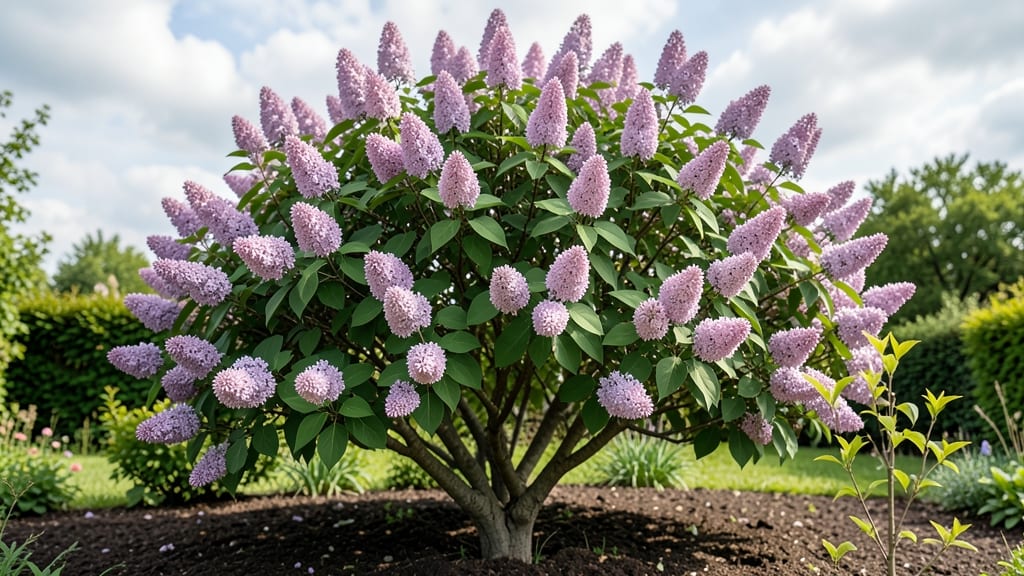
Lilac height by variety: from compact shrubs to towering giants
Lilacs are deciduous shrubs known for their fragrant blooms and fast growth, but their mature height varies dramatically depending on the variety. If you're planning your garden layout, choosing the right type is key—some lilacs stay under 5 feet, while others can reach 15 feet or more.
Let’s break down the most popular cultivars and their growth habits so you can pick the perfect fit for your space.
Most lilacs belong to the Syringa genus, with common lilac (Syringa vulgaris) being the classic choice. This variety typically grows 8 to 15 feet tall at maturity, making it ideal for backyard borders or privacy screens.
However, if you’re working with limited space, dwarf varieties can keep your lilacs under 5 feet while still delivering stunning fragrance and color.
Pro Tip: Always check the mature height label when buying lilacs, as nurseries often sell them by common name rather than variety. For example, a "Katherine Havemeyer" lilac can grow 12 feet tall, while a "Little Leo" stays under 4 feet. Your spacing and pruning plan should always account for the variety’s full-grown dimensions.
🌸 Lilac Height Comparison Table
| Variety | Mature Height | Ideal Spacing | Best For |
|---|---|---|---|
| Common Lilac (Syringa vulgaris) | 8–15 ft | 8–12 ft apart | Backyard borders, privacy screens |
| Dwarf Lilac (Little Leo) | 3–5 ft | 3–4 ft apart | Containers, small gardens, foundation plantings |
| Semi-Dwarf Lilac (Minnesota Sky) | 6–8 ft | 5–6 ft apart | Medium gardens, mixed shrub borders |
| Weeping Lilac (Syringa laciniata) | 10–15 ft (spreading habit) | 10–12 ft apart | Specimen plants, focal points |
| Korean Lilac (Syringa meyeri) | 4–6 ft | 3–4 ft apart | Small spaces, urban gardens |
⚠️ Note: Heights are approximate and can vary based on soil quality, sun exposure, and pruning habits.
When selecting a lilac variety, consider not just height but also spread. For example, weeping lilacs like Syringa laciniata can spread 10 feet wide, while dwarf varieties like Little Leo stay compact with a 3-foot spread.
If you’re planting near a fence or walkway, opt for narrower varieties like Katherine Havemeyer, which grows tall but relatively upright.
Another factor to watch is growth rate. Lilacs can add 2 to 3 feet per year in ideal conditions, so if you’re planting near a structure, give them room to grow.
For instance, a 10-foot-tall lilac planted 5 feet from a fence might eventually touch it, creating a living privacy screen. Conversely, a dwarf lilac planted too close can become overcrowded and struggle to thrive.
If you’re unsure which variety to choose, start with a semi-dwarf lilac like Minnesota Sky. It strikes a balance between height and manageability, growing 6 to 8 feet tall while still offering abundant blooms.
For containers or small gardens, Korean lilacs are a fantastic choice—they’re hardy, fragrant, and stay under 6 feet.
Remember, lilacs thrive in full sun (6+ hours daily) and well-draining soil. Poor soil or shade can stunt growth, so amend your soil with compost and plant in a sunny location for the best results.
With the right variety and care, your lilacs will reward you with years of fragrant blooms while fitting seamlessly into your garden design.
🌿
Lilac height by variety: from compact shrubs to towering giants
Lilacs are famous for their intoxicating fragrance and stunning blooms, but their mature height can vary dramatically depending on the cultivar. If you’re planning your garden layout, knowing these differences will help you choose the perfect fit—whether you want a privacy screen or a smaller accent plant.
Let’s break down the most popular lilac varieties by their height ranges and ideal spacing.
Most gardeners assume lilacs are all tall shrubs, but the truth is far more exciting. Some varieties stay under 5 feet, while others can reach 15 feet or more. The key is selecting the right type for your space and pruning habits.
For example, a dwarf lilac like 'Little Leo' fits perfectly in a container garden, while a standard variety like 'Katherine Havemeyer' can become a stunning focal point in a landscape border.
🌸 How to choose? Start by measuring your garden space. If you have limited room, dwarf or semi-dwarf varieties are your best bet. For larger yards or privacy screens, standard or weeping lilacs will thrive. Always plant lilacs 3 feet away from their mature width to ensure proper airflow and sunlight penetration.
Lilac Height Comparison
| Variety | Mature Height | Ideal Spacing | Best For |
|---|---|---|---|
| 'Little Leo' | 3–5 ft | 3–4 ft apart | Containers, small gardens |
| 'Minnesota Sky' | 4–6 ft | 4–5 ft apart | Foundation plantings |
| 'Sensation' | 6–8 ft | 5–6 ft apart | Privacy screens |
| 'Katherine Havemeyer' | 8–12 ft | 8–10 ft apart | Landscape focal points |
| 'Weeping Lilac' | 10–15 ft | 10–12 ft apart | Arbors, large gardens |
Pro tip: Weeping lilacs are stunning but need plenty of space. If you’re unsure about their final height, start with a container-grown specimen to test how it fits into your design before planting permanently.
Most nurseries sell lilacs in 5-gallon pots, which gives you a good idea of their initial size and growth rate.
Another factor to consider is growth rate. Lilacs typically grow 1–2 feet per year in their first few years, then slow down as they mature. This gradual growth makes them easier to manage than fast-growing shrubs like privet hedges.
However, if you plant a standard variety too close to a walkway or patio, you’ll spend years pruning to keep it in check.
For urban gardens or small yards, dwarf varieties are a game-changer. They offer the same fragrance and beauty without the space commitment. Just remember: even dwarf lilacs benefit from regular pruning to maintain their compact shape. A little effort now saves headaches (and pruning sessions) later.