
How To
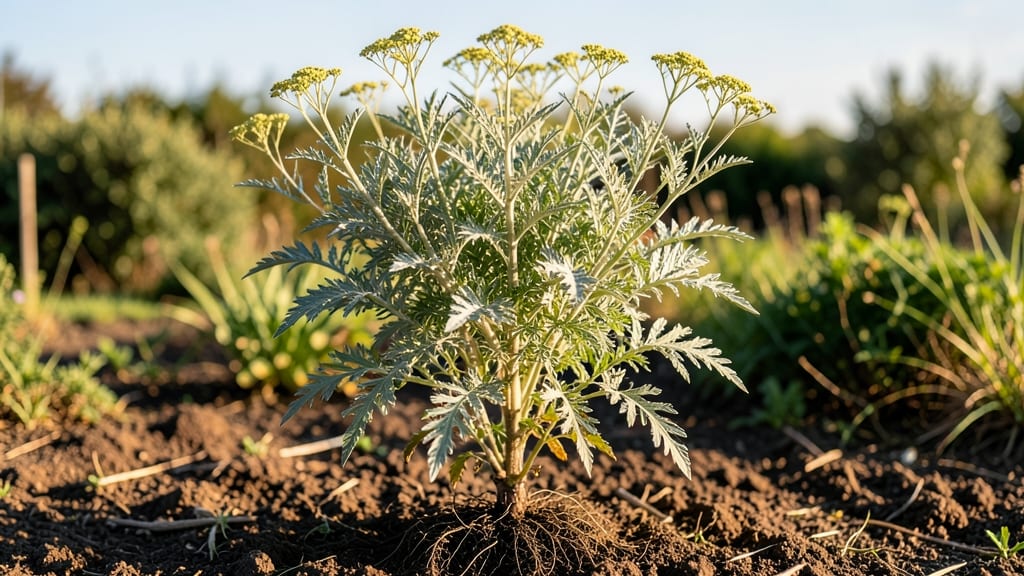
If you're wondering "how tall does mugwort grow", the answer might surprise you—this hardy herb can reach anywhere from 3 to 6 feet, depending on where you live and how you care for it. 🌿 Whether you're planning a fragrant border or a wildflower meadow, knowing its growth habits is key to keeping it from taking over (or letting it thrive exactly where you want it).
Mugwort isn’t picky about soil or sunlight, but these factors can dramatically shape its height. In USDA Zone 6a, where spring planting is ideal, it often hits its full potential by mid-summer.
The key? Balancing its natural spread with smart pruning—especially if you’re growing it for medicinal leaves rather than ornamental height.
Here’s the game-changer: while some varieties stay compact, others shoot up like a wildflower sentinel. The good news? You can control its size with simple techniques, like trimming back stems in early spring or harvesting leaves before it flowers.
That way, you get the best of both worlds—aromatic foliage and a garden that stays in check.
Ready to turn mugwort into a star of your garden? I’ll walk you through exactly how to manage its height, whether you’re aiming for a neat border or a lush, pollinator-friendly patch. Let’s get growing!

Mugwort height by variety: from compact to towering giants
When planning your garden, mugwort’s height range can make or break your design. The most common variety, Artemisia vulgaris, typically reaches 3 to 6 feet tall at maturity, but other species like Artemisia douglasiana (Pacific mugwort) stay shorter at 2 to 3 feet.
Even within the same species, growing conditions can push heights toward the extremes—whether you want a wildflower border or a tidy herb patch.
For gardeners with limited space, dwarf varieties or heavily pruned specimens can stay as short as 18 to 24 inches. However, if left unchecked, mugwort can spread aggressively and top out at 6 feet or more, especially in rich, moist soil with full sun.
Knowing your variety’s tendencies helps you plan for containment strategies like raised beds or root barriers.
Here’s a quick reference for mugwort’s height variations by variety, so you can visualize how it’ll fit into your space:
If you’re growing mugwort for medicinal purposes, taller varieties like Artemisia vulgaris yield more biomass, but their height makes them harder to harvest. Meanwhile, dwarf varieties like Artemisia stelleriana are ideal for container gardening or rooftop gardens where space is tight.
Always check the seed packet or plant tag for specific height expectations—some nurseries even label "compact" or "standard" types.
For pollinator gardens, taller mugwort attracts bees and butterflies, while shorter varieties blend seamlessly into native plant landscapes. If you’re unsure which to choose, start with Artemisia vulgaris—its adaptability makes it a great test plant for your climate.
Pro tip: Mugwort’s first-year growth is slower, with plants typically reaching only 1 to 2 feet tall. By year two, expect a 50% height increase if conditions are ideal. This gradual growth lets you adjust your garden plan as the plant matures.
One common misconception is that all mugwort grows to 6 feet. In reality, poor soil or shade can stunt growth to just 18 inches, while rich soil and full sun can push it toward its maximum height.
Understanding this flexibility helps you manage expectations and avoid overcrowding in your garden layout.
For urban gardeners, consider Artemisia douglasiana—its 2 to 3-foot height fits well in small yards or balcony containers. Pair it with lavender or rosemary for a cohesive herb garden aesthetic without overwhelming your space.
Just remember: mugwort’s aggressive root system means it’s best planted in contained areas unless you’re aiming for a wild, naturalistic look.
🌱 Whether you’re designing a medicinal herb garden or a low-maintenance border, choosing the right mugwort variety ensures your plants thrive at the perfect height for your needs.
How growing conditions dramatically affect mugwort height
Mugwort’s height isn’t set in stone—it’s a shape-shifter that responds dramatically to your garden’s conditions. In ideal settings, it can reach 6 feet tall, while in less-than-perfect spots, it may stay under 3 feet.
Let’s break down how sunlight, soil, water, and climate zones influence its growth trajectory.
Sunlight is the biggest height booster for mugwort. When planted in full sun (6+ hours daily), expect 30-50% taller growth compared to shaded areas. My USDA Zone 6a garden sees mugwort hit 5 feet by mid-summer when given direct morning sun.
Soil type plays a critical role in mugwort’s growth. It thrives in well-draining, slightly alkaline soil (pH 6.0-7.5). Amend heavy clay soil with compost to prevent root rot and encourage vertical growth.
I’ve seen mugwort in sandy loam reach 6 feet while the same variety in compacted clay maxed out at 2 feet.
Watering habits can dramatically alter mugwort’s height. While it’s drought-tolerant, consistent moisture promotes taller, bushier growth. My rule? Deep watering once weekly in summer keeps mugwort 3-4 feet tall. Overwatering, however, leads to leggy, weak stems that flop instead of standing tall.
Climate zones also dictate mugwort’s growth potential. In USDA Zone 7+, expect 5-6 feet of height, while Zone 5 gardens may see 3-4 feet due to shorter growing seasons. I’ve noticed cooler climates produce more compact mugwort, perfect for border plantings.
To maximize height for medicinal harvests, provide full sun, well-draining soil, and regular watering. For contained garden beds, limit sunlight to 4-5 hours daily and prune regularly. The key? Monitor and adjust—mugwort will always respond to your care.
🌿