
How To
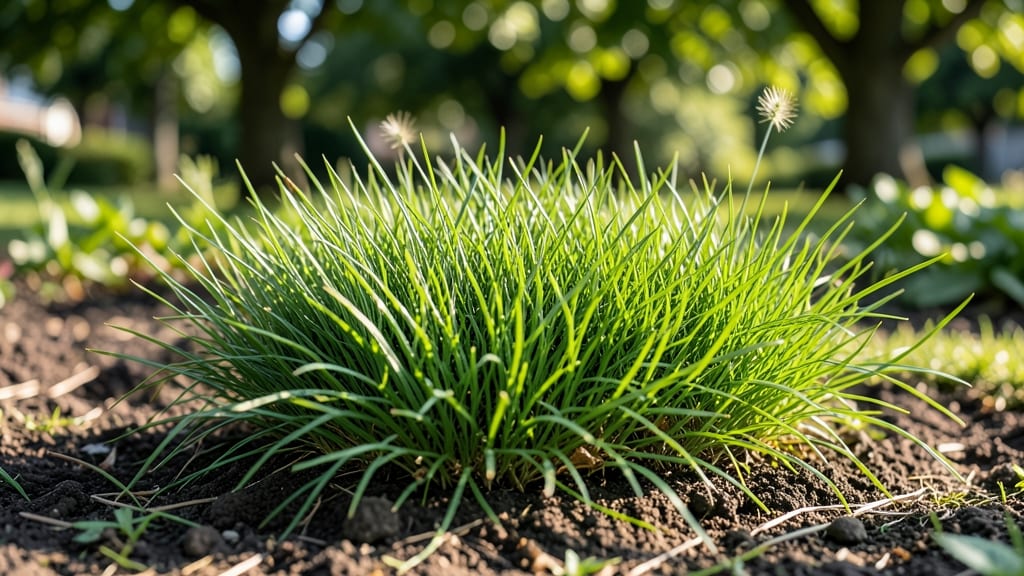
Perennial ryegrass height by variety: Tallest to shortest types explained
Understanding perennial ryegrass height is the first step in choosing the right variety for your lawn or pasture. This cool-season grass typically matures between 6 to 18 inches, but the exact height depends on the specific variety and growing conditions.
For example, 'Linn' and 'Penncross' varieties tend to stay shorter, while 'Baron' can grow taller under ideal conditions.
If you're planting for a low-maintenance lawn, dwarf varieties like 'Manhattan' (6-10 inches) are perfect. Meanwhile, turfgrass mixes often include taller types (12-18 inches) for erosion control or pasture use.
The key is matching the variety to your space and management goals—because a taller grass needs more frequent mowing, while shorter types may require extra care to prevent scalping.
Here’s how perennial ryegrass height breaks down by common varieties, including their ideal uses and maintenance needs:
When selecting a variety, consider your climate zone and soil type. For instance, 'Baron' thrives in cooler regions (Zones 3-7) but may grow too tall in warmer climates (Zones 8-10).
Meanwhile, 'Manhattan' adapts well to heat but struggles in soggy soils. Always check the USDA hardiness zone for your area to avoid mismatches that could stunt growth or invite pests.
Another factor is mowing frequency. Taller varieties like 'Penncross' need mowing every 5–7 days in peak growing season, while shorter types like 'Linn' can stretch to 7–10 days between cuts. Over-mowing stresses the grass, while under-mowing encourages seed head formation and weakens the lawn’s density.
Aim to remove no more than ⅓ of the blade height per mowing to keep your grass healthy and at its ideal height.
For pasture or hay production, taller varieties (14+ inches) are preferred because they yield more biomass per cut. However, if you’re using perennial ryegrass as a cover crop or for winter overseeding, shorter types (6–12 inches) blend better with existing turf.
Always test a small patch before committing to a full lawn—because height expectations can vary even within the same variety based on local conditions.
Pro tip: If your grass starts growing unevenly, it’s often a sign of nutrient imbalance or water stress. A soil test can reveal deficiencies, and adjusting your fertilizer NPK ratio (e.g., 20-10-10 for lawns) can help maintain consistent height.
For example, a high-nitrogen fertilizer encourages leafy growth, while phosphorus supports root development—both critical for keeping your grass at the right height year-round.
Remember, perennial ryegrass height isn’t set in stone—it’s influenced by your care routine. With the right variety and maintenance, you can keep your lawn lush, even, and at the perfect height for your needs. Start with the table above, then fine-tune based on your local growing conditions.
Perennial ryegrass height by variety: Tallest to shortest types explained
Perennial ryegrass (Lolium perenne) typically reaches a mature height of 0.5 to 1.5 feet, but this can vary significantly depending on the variety and growing conditions.
For lawns, shorter varieties like 'Linn' stay closer to 6–12 inches, while taller types like 'Baron' can grow up to 18 inches in ideal conditions. Understanding these differences helps you choose the right type for your space and maintenance preferences.
Most gardeners plant perennial ryegrass for its fast germination and dense growth, but height plays a key role in mowing frequency and overall lawn appearance.
For example, semi-dwarf varieties (like 'Penncross') are popular for sports fields because they balance durability and manageable height, while standard varieties may require more frequent mowing to prevent overgrowth.
| Variety | Mature Height (ft) | Best For | Notes |
|---|---|---|---|
| Baron | 1.0–1.5 | Pastures, high-traffic areas | Tallest variety; needs frequent mowing |
| Linn | 0.5–1.0 | Lawns, golf courses | Dwarf type; ideal for tight spaces |
| Penncross | 0.75–1.25 | Sports fields, parks | Semi-dwarf; durable and dense |
| Manchar | 0.6–1.1 | Home lawns, ornamental | Balanced height; good for aesthetics |
If you're planting perennial ryegrass for a lawn, opt for dwarf or semi-dwarf varieties to reduce mowing time and maintain a neat appearance. For pastures or high-traffic areas, taller varieties like 'Baron' provide better durability and recovery.
Always check the seed packet for specific height recommendations, as some blends combine multiple types to achieve a custom height range.
Height isn’t the only factor—growth habits matter too. Perennial ryegrass spreads via rhizomes and stolons, which can fill in gaps quickly but may require edging if your lawn has defined borders.
For example, 'Linn' spreads more aggressively than 'Manchar', so it’s better suited for larger areas where containment isn’t a concern.
For urban gardens or small yards, I recommend sticking to 6–12 inch varieties to avoid overgrowth. In larger properties, you can mix heights—for instance, using taller types near walkways (where durability matters) and shorter types in visible lawn areas (for a polished look).
Always mow regularly to encourage dense, uniform growth and prevent height from becoming unmanageable.
Remember, soil quality and sunlight also influence height. In poor soil or shade, perennial ryegrass may stay shorter, while rich soil and full sun can push it toward the upper end of its range.
Test your soil before planting to ensure you’re giving your grass the best conditions for its intended height.