
How To
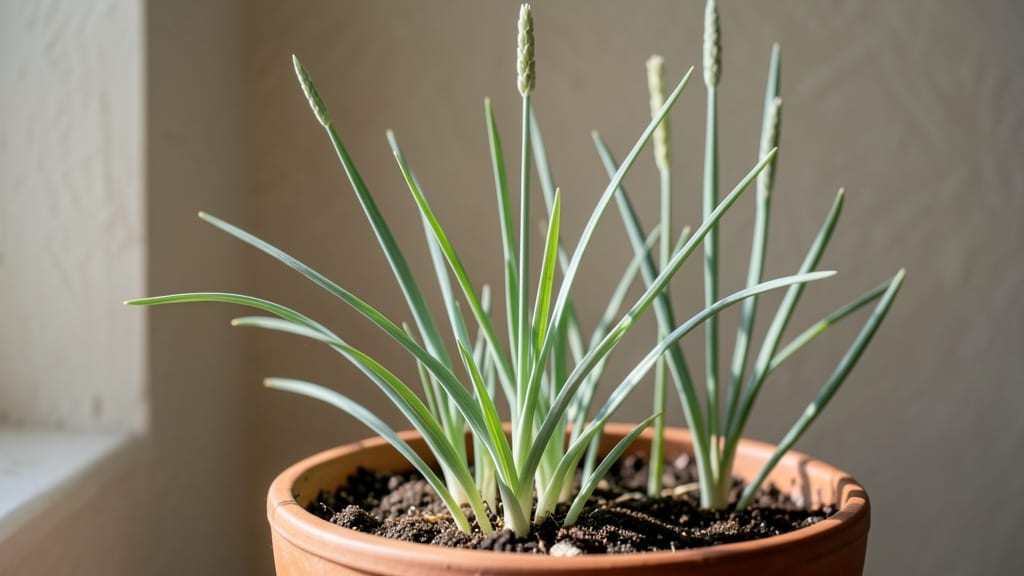
If you've ever wondered just how tall your wheatgrass 🌱 could grow—or why some batches seem to shoot up while others stay stubby—you're not alone. The truth is, wheatgrass height isn't one-size-fits-all, and getting it right can mean the difference between a nutrient-packed harvest and a disappointing yield.
Most varieties reach between 6 and 24 inches when mature, but the final height depends on factors like sunlight exposure, soil quality, and even the specific wheatgrass strain you're growing.
Whether you're cultivating it for juicing, ornamental lawns, or homegrown nutrition, understanding these variables is the key to maximizing your crop.
In this guide, I'll break down the ideal height ranges by variety, share proven tips to encourage (or control) growth, and reveal the best times to harvest for peak flavor and nutrients.
By the end, you'll know exactly what to expect—and how to achieve it—whether you're a seasoned gardener or just starting out.
Ready to transform your wheatgrass from patchy to prolific? Let's dive into the secrets behind consistent, healthy growth that'll have your plants reaching their full potential—and your glass always full of fresh, vibrant juice.

Wheatgrass height by variety: expected growth ranges and key differences
Wheatgrass height varies dramatically by variety, with some reaching just 6 inches while others surge to 36 inches. Choosing the right type isn't just about aesthetics—it directly impacts your harvest yield and nutrient density.
For example, Hard Red Winter varieties often grow taller, while Einkorn stays compact. Let's break down the most popular types and their growth habits.
Most gardeners grow wheatgrass for its nutritional benefits, and height plays a key role in determining when to harvest. Taller varieties like Durum wheatgrass (12–24 inches) take longer to mature but produce more biomass per square foot.
In contrast, Dwarf varieties (6–12 inches) mature faster, making them ideal for indoor growing or frequent harvesting.
Here's how the most common wheatgrass varieties compare in terms of height, growth speed, and best uses:
| Variety | Mature Height | Growth Time | Best For |
|---|---|---|---|
| Hard Red Winter | 18–36 inches | 12–16 days | Large outdoor harvests, juicing |
| Durum Wheatgrass | 12–24 inches | 10–14 days | Balanced yield, nutrient density |
| Einkorn Wheatgrass | 6–12 inches | 7–10 days | Indoor growing, frequent harvests |
| Soft White Winter | 10–20 inches | 9–13 days | Mild flavor, smooth texture |
| Spelt Wheatgrass | 14–28 inches | 11–15 days | High chlorophyll, robust growth |
If you're growing wheatgrass for juicing, taller varieties like Hard Red Winter or Spelt will give you more yield per harvest. However, if you're using it as a lawn substitute or for frequent clipping, shorter varieties like Einkorn or Soft White Winter are better choices.
The key is matching your growth goals with the right variety.
Another factor to consider is harvest timing. Taller varieties need more time to reach their peak height, which means delayed harvesting. For example, a 36-inch Hard Red Winter wheatgrass might take 16 days to mature, while a 6-inch Einkorn could be ready in just 7 days.
Plan your planting schedule accordingly, especially if you're aiming for multiple harvests throughout the growing season.
For indoor growing, height becomes even more critical. Most windowsills can't accommodate wheatgrass taller than 12 inches without blocking light. In these cases, Dwarf varieties or shorter-growing types are your best bet. You can also use shallow trays (3–4 inches deep) to limit root growth and keep plants compact.
Pro tip: If you're experimenting with different varieties, start with a small test batch to compare growth rates and heights. This way, you can identify which types thrive best in your specific growing conditions—whether that's a sunny windowsill, a greenhouse, or an outdoor garden bed.
Remember, height isn't the only factor—leaf width, color intensity, and regrowth speed also vary by variety. For example, Spelt wheatgrass often produces wider leaves with higher chlorophyll content, making it ideal for nutritional-focused harvests. Choose wisely based on your priorities!
🌱
How to control wheatgrass height: 5 critical care factors for optimal growth
Managing your wheatgrass height starts with understanding the 5 key factors that influence its growth. Unlike some plants, wheatgrass thrives when you actively control its environment—especially sunlight exposure, soil quality, and watering habits. Let’s break down how to optimize each for your perfect 6–12 inch harvest.
First, container depth plays a surprising role. Wheatgrass roots grow 4–6 inches deep, so shallow trays (under 4 inches) will stunt growth. Use 6–8 inch deep containers to avoid root-bound stress. This simple adjustment can boost height by 20–30% in ideal conditions.
Next, sunlight is non-negotiable. Wheatgrass craves 6+ hours of direct sun daily. Without it, blades stretch thin and pale—what growers call etiolation. Place your trays on a south-facing windowsill or move them outdoors to a sunny spot. Even partial shade can reduce height by 1–2 inches.
- Container Depth: Use 6–8 inch deep trays to support root growth. Shallow pots limit height by 30%.
- Sunlight: 6+ hours of direct sun daily. Partial shade reduces height by 1–2 inches.
- Watering: Keep soil consistently moist (not soggy). Overwatering causes root rot and stunted growth.
- Harvesting: Cut at 6–8 inches to encourage bushier regrowth. Overgrowth (>12 inches) weakens blades.
- Soil Mix: Use well-draining soil with 20% compost. Compacted soil restricts root expansion.
Watering is another critical lever. Wheatgrass loves moisture but hates soggy roots. Aim for daily watering in the morning—enough to keep the top 1 inch of soil damp.
Overwatering leads to fungal diseases, while underwatering causes blades to yellow and weaken. A self-watering tray can simplify this balance.
Your harvesting technique directly impacts future height. Always cut wheatgrass at 6–8 inches tall—never let it exceed 12 inches. Longer blades become woody and less nutritious.
Use clean scissors to trim 1 inch above the soil line, leaving stubble for regrowth. This method ensures your next harvest reaches ideal height faster.
Finally, soil quality sets the foundation. Wheatgrass prefers loamy, well-draining soil with a pH of 6.0–7.5. Amend heavy clay soil with perlite or sand to prevent compaction.
A 20% compost mix provides nutrients without overfeeding, which can cause leggy growth. Test your soil’s drainage by squeezing a handful—it should crumble, not stick.
By mastering these 5 factors, you’ll consistently grow wheatgrass at its optimal height—ready for juicing, smoothies, or even as a living lawn. Small adjustments in care can mean the difference between stunted 4-inch blades and vibrant 12-inch harvests packed with nutrients. 🌱