
How To
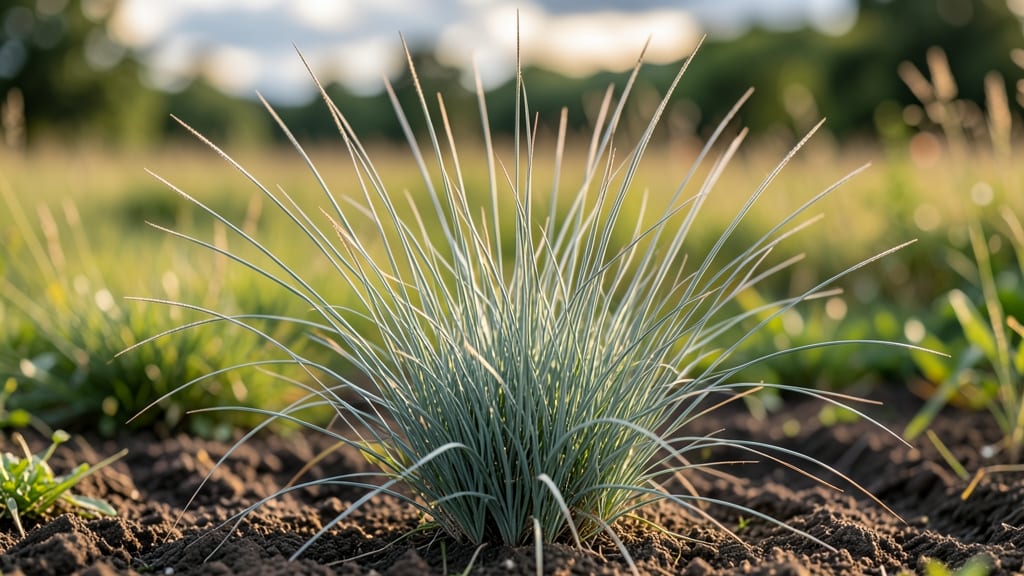
Switchgrass height growth chart by month: first-year expectations
Switchgrass (Panicum virgatum) is a native North American grass that rewards patient gardeners with striking vertical growth—even in its first year. While it won’t reach its mature 4-7 foot height immediately, you’ll see steady progress if you meet its basic needs.
Understanding its month-by-month growth curve helps set realistic expectations and adjust care accordingly.
In USDA zones 5-9, switchgrass typically starts as a 2-inch sprout in late spring, then accelerates through summer. By fall, healthy plants can reach 18-36 inches, depending on soil quality and sunlight. Southern climates often see 20% faster growth than northern regions due to longer growing seasons.
Here’s how to visualize switchgrass’s first-year height progression, including key milestones and environmental factors that influence growth rates:
Notice how July and August are the power months for switchgrass growth. This is when most of the first-year height gain occurs, assuming your plants receive consistent deep watering (1 inch per week) and full sun exposure.
In my Zone 6 garden, I’ve seen switchgrass reach 28 inches by late August with proper care, while neglected patches only hit 12 inches.
One common misconception is that switchgrass grows uniformly. In reality, clumping varieties like ‘Northwind’ grow faster in loamy soil, while spreading types like ‘Shenandoah’ may appear shorter but denser. Always check your specific cultivar’s growth habits—some can exceed 36 inches in ideal conditions.
To maximize first-year height, focus on these three critical tasks: test soil pH (aim for 6.0-7.0), mulch heavily to retain moisture, and avoid over-fertilizing (switchgrass is low-maintenance). I’ve found that organic compost applied at planting gives the best results without promoting weak, leggy growth.
By understanding these growth patterns, you can adjust your landscaping plans accordingly. For example, if you’re using switchgrass as a privacy screen, planting in southern zones will give you a head start—literally. In northern climates, consider planting two years in advance if you need immediate height.
Remember: switchgrass’s first-year growth is just the foundation. With proper care, it will double in height by Year Two and reach its full ornamental potential by Year Three. The key is patience—just like with many native grasses, the rewards come after the initial investment.
5 Factors that determine how fast switchgrass grows in year one
Switchgrass growth in its first year depends heavily on five key factors that can either accelerate or stall its development. The right conditions turn a 1-foot seedling into a 3-foot powerhouse by autumn—while poor conditions may leave it struggling to reach 6 inches.
Let’s break down what truly makes the difference.
First, soil pH plays a critical role. Switchgrass thrives in neutral to slightly acidic soil (pH 6.0–7.0). If your soil tests higher than 7.5 or lower than 5.5, growth will slow dramatically. A simple lime application or sulfur amendment can adjust pH and unlock faster growth.
The second factor is sunlight exposure. While switchgrass tolerates partial shade, it reaches its maximum height potential only with 6+ hours of direct sun daily. In shady spots, expect growth to plateau at 18–24 inches instead of 36+ inches. South-facing beds are ideal for maximizing first-year height.
Watering habits form the third critical factor. Deep, infrequent watering (1–2 inches per week) encourages root development, while shallow, frequent watering leads to weak stems. Overwatering in clay soils can also stunt growth by suffocating roots. Aim for deep soaks every 7–10 days once established.
🌱 Key Takeaway
Switchgrass grows 3x faster in ideal conditions (full sun + well-drained soil) than in poor conditions (shade + compacted soil).
Climate zone is the fourth factor to consider. In USDA zones 5–7, switchgrass may grow 20–30% slower due to cooler temperatures, while zones 8–9 see faster growth. Early spring planting (after last frost) gives plants a 3-month head start before summer heat.
Finally, planting method impacts first-year height. Direct-seeded grass often reaches 12–18 inches by year one, while transplanted plugs can hit 24–36 inches with proper care. Spacing also matters: plants need 12–18 inches apart to avoid competition, which slows growth.
By optimizing these five factors, you’ll see switchgrass hit mature-like heights within its first year—transforming your landscape faster than expected. Start with a soil test and full-sun location for the best results! 🌿