
Planting
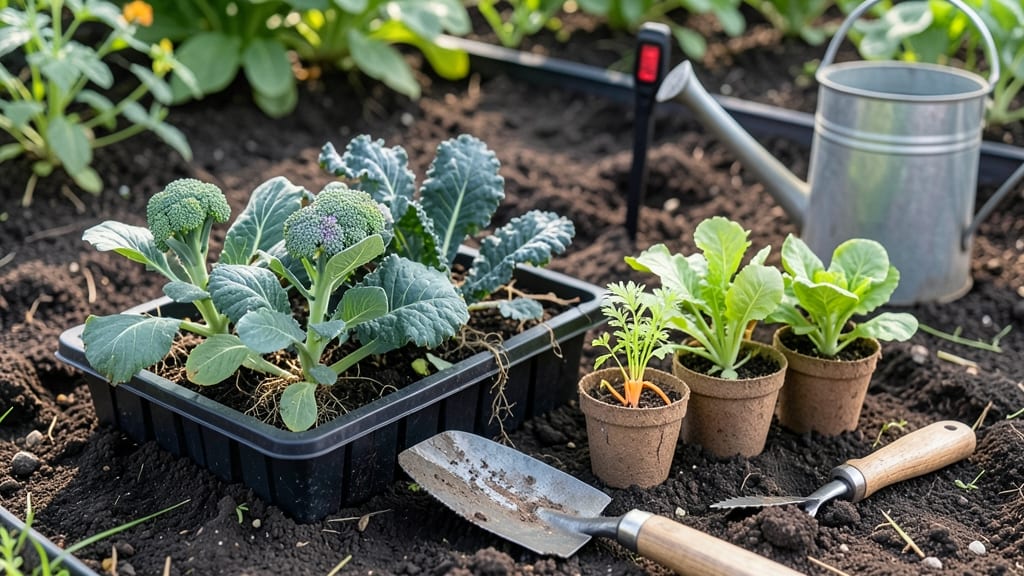
If you’ve ever wondered when to plant a fall garden in Texas, timing is the key to avoiding heat stress or frost damage—both of which can ruin your harvest before it even begins.
Texas’s long growing season means you’ve got a narrow window to get cool-season crops like broccoli, spinach, and carrots 🌱 in the ground just right, but getting it wrong can mean wasted effort.
The secret isn’t guessing—it’s knowing your zone. Whether you’re in North Texas’s 8a or South Texas’s 10b, planting too early means bolting plants, while waiting too late risks frost before your greens mature.
I’ll break down the exact dates by zone so you can start your fall garden with confidence and see fast germination every time.
You’ll also discover which vegetables thrive in Texas’s cooler months and how to stretch your harvest well into December. From soil prep to succession planting, these strategies ensure your garden stays productive—no matter how unpredictable Texas weather gets.
Ready to grow a fall garden that outperforms last year’s? Let’s dive into the precise planting schedule that’ll give you a head start on a bountiful harvest before the first frost hits.
Texas fall planting calendar by hardiness Zone: exact dates for fast germination
Timing your fall garden in Texas depends on your USDA hardiness zone, which ranges from 8a in North Texas to 10b in the Rio Grande Valley. The key is planting 6-8 weeks before your average first frost—this ensures your crops mature before cold snaps.
For example, North Texas (Zone 8a) has its first frost around December 1, while South Texas (Zone 10a) rarely sees frost until January 15.
Soil temperature is another critical factor. Most cool-season crops like kale and spinach germinate best when soil temps are between 45°F and 75°F. In Texas, this window typically opens in late July or early August for North Texas and stretches into September for South Texas.
Planting too early in the heat can cause seeds to rot or seedlings to bolt prematurely.
Here’s how to align your planting with Texas’s unique climate. The table below breaks down exact dates for each zone, including ideal soil temperatures and germination timelines for fast, healthy growth.
🌱 Texas Fall Planting Calendar by Zone
| Zone | Last Planting Date | Soil Temp for Germination | Germination Time | First Frost Date |
|---|---|---|---|---|
| 8a (North Texas) | September 15 | 45°F–75°F | 5–14 days | December 1 |
| 8b (Central Texas) | September 30 | 50°F–75°F | 7–10 days | December 15 |
| 9a (East/Central Texas) | October 15 | 55°F–80°F | 7–14 days | January 1 |
| 9b (South Texas) | November 1 | 60°F–80°F | 5–10 days | December 20 |
| 10a (Rio Grande Valley) | November 15 | 65°F–85°F | 3–7 days | January 15 |
For Zone 8a and 8b, start sowing seeds indoors in late July to get a head start. Transplant seedlings outdoors by mid-August to avoid heat stress. In Zones 9a–10a, you can direct-sow seeds as late as October, thanks to milder temperatures.
Always check your local first frost date—a quick Google search for “[Your City] first frost date” will give you precise timing.
Pro tip: Use row covers or cold frames to extend your growing season. These protect tender crops like lettuce and spinach from unexpected cold snaps, even in Zone 8a.
In Zone 10a, where frost is rare, focus on heat-tolerant varieties like Swiss chard or collard greens, which handle cooler temps better than delicate lettuce.
If you’re in North Texas (Zone 8a), prioritize fast-maturing crops like radishes (25 days) or turnips (30 days) to harvest before frost. In South Texas (Zone 10a), you can grow broccoli or cauliflower well into December.
Always adjust your planting schedule based on soil moisture—Texas’s erratic rainfall means supplemental watering is often necessary.
One common mistake is planting cool-season crops too early. For example, sowing kale seeds in July in Zone 9a will result in bolting (flowering prematurely) because the soil is too hot. Wait until mid-August for
Best fall vegetables for Texas gardens and their ideal planting times
Texas’s fall gardening season is your chance to grow cold-hardy vegetables that thrive in cooler temperatures. The key is selecting heat-tolerant varieties that won’t bolt in early September and choosing planting dates that align with your USDA hardiness zone.
In North Texas (Zone 8a), aim for late August to early September, while South Texas (Zone 10a) can start as late as mid-September.
Leafy greens like kale and spinach are top picks—they tolerate light frosts and grow quickly. Root vegetables such as carrots and beets also excel in fall, provided you plant them early enough to mature before the first frost.
For broccoli and cauliflower, start seeds indoors in July and transplant in August to ensure a harvest before winter sets in.
🌱
-
1. Kale
🌿
Plant: Late August–September | Harvest: October–December | Days to Maturity: 50–60 -
2. Carrots
🥕
Plant: Mid-August–September | Harvest: October–November | Days to Maturity: 60–80 -
3. Broccoli
🌱
Plant: July (indoors) or August (outdoors) | Harvest: October–November | Days to Maturity: 60–75 -
4. Spinach
🌱
Plant: September–October | Harvest: October–December | Days to Maturity: 30–45 -
5. Beets
🍠
Plant: August–September | Harvest: October–November | Days to Maturity: 50–60 -
6. Lettuce
🥬
Plant: September–October | Harvest: October–December | Days to Maturity: 30–50 -
7. Radishes
🌱
Plant: August–September | Harvest: September–October | Days to Maturity: 25–30
Avoid planting heat-sensitive crops like cucumbers or peppers in fall—they’ll struggle as temperatures drop. Instead, focus on cool-season staples that thrive in Texas’s 50–70°F soil temperatures. For faster germination, soak seeds overnight or use a seedling heat mat if starting indoors in late summer.
Succession planting is your secret weapon: Sow radishes every 2 weeks for continuous harvests, or replace bolted lettuce with kale as temperatures dip. Mulch with straw to retain soil moisture and protect young plants from late-summer heat spikes.
🌿