
Plants
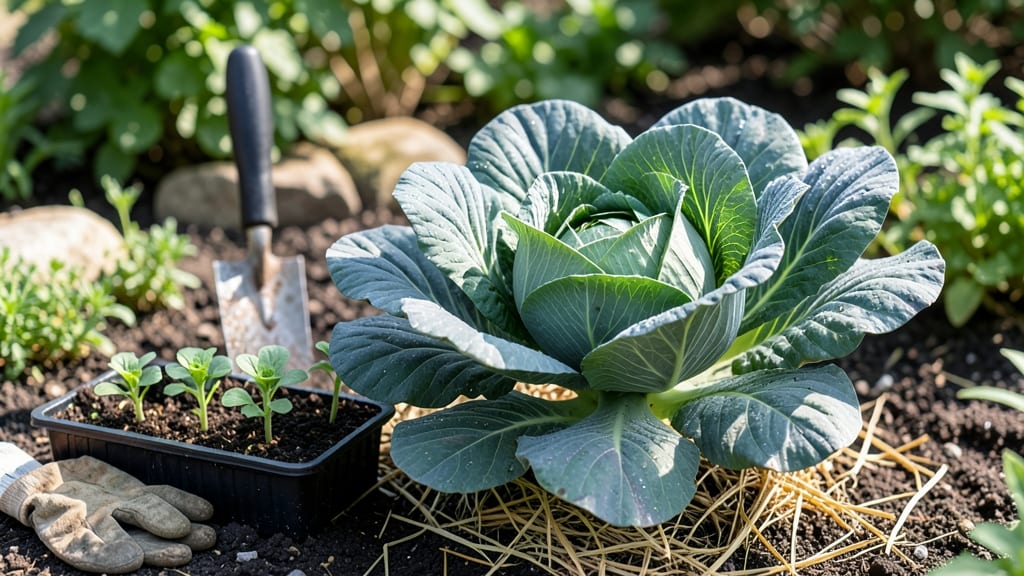
Georgia’s cabbage planting zones: frost dates & ideal timing
Georgia’s diverse climate—from the humid Coastal Plain to the cooler Blue Ridge Mountains—means cabbage planting times vary dramatically. The state spans USDA zones 7b-8b, with last frost dates ranging from mid-February in Savannah to late March in Atlanta.
Understanding your specific zone is key to avoiding bolting (premature flowering) or stunted growth from heat stress.
Most Georgia gardeners focus on two planting windows: early spring (February-March) and late summer (August-September). Spring plantings yield harvests by May-June, while fall crops mature by November-December. Heat-tolerant varieties like ‘Cavalo’ and ‘Golden Acre’ extend your window into summer, but even they struggle if planted too late.
📅 Frost-free windows by region:
- Coastal Georgia (Savannah, Brunswick): Last frost February 15, first frost November 15
- Central Georgia (Macon, Columbus): Last frost March 1, first frost November 1
- North Georgia (Atlanta, Blue Ridge): Last frost March 15, first frost October 30
| Region | Last Frost | First Frost | Spring Planting | Fall Planting |
|---|---|---|---|---|
| Coastal Plain | Feb 15 | Nov 15 | Feb 1–Mar 15 | Aug 1–Sep 15 |
| Central GA | Mar 1 | Nov 1 | Mar 1–Apr 15 | Jul 30–Sep 1 |
| North GA | Mar 15 | Oct 30 | Mar 15–Apr 30 | Jul 15–Aug 15 |
⏰ Plant 4-6 weeks before last frost for spring; 10-12 weeks before first frost for fall
For spring plantings, start seeds indoors 6-8 weeks before your last frost date. In North Georgia, this means January sowing for early March transplants. Coastal gardeners can direct-sow as early as January if soil temps stay above 40°F.
Use black plastic mulch to warm soil faster in cooler zones.
Fall cabbage thrives in Georgia’s mild autumn temperatures but bolts quickly if exposed to hot September soil. Plant heat-tolerant varieties like ‘Cavalo’ in late July-August for harvests before frost. In North Georgia, aim for August 1–15 to avoid summer’s peak heat. Coastal areas can push to September 1 safely.
Georgia’s clay-heavy soils slow warming in spring. Amend beds with compost and aged manure 2-3 weeks before planting to improve drainage. Test soil pH—cabbage prefers 6.0–7.0. If your soil is below 6.0, add lime in fall or early spring to prevent nutrient lockout.
Pro tip: Use shade cloth (30-50%) over summer plantings to protect tender seedlings from 90°F+ temps. This buys you 2-3 extra weeks of viable growth before bolting. Pair with drip irrigation to maintain even moisture—cabbage hates fluctuating soil temps.
In North Georgia’s cooler microclimates, extend your season with row covers. Remove them during the day in May-June to harden off spring plants, then replace at night to prevent cold damage.
Coastal gardeners can skip covers but must watch for hurricane winds—stake plants or use windbreaks.
Remember: Cabbage bolts when stressed by heat or drought. If your spring plants start forming flower stalks by April, you’ve missed the window. For a second fall crop, try ‘Early Jersey Wakefield’—it matures in just 55 days and tolerates light frost.
🌱 Key takeaway: Georgia’s two distinct planting zones (Coastal vs. North) mean your neighbors’ success stories may not apply to you. Always check your local frost dates and adjust by 2-3 weeks for safety.
Step-by-Step cabbage planting schedule for Georgia gardens
Georgia’s long growing season and humid climate create perfect conditions for cabbage—but only if you follow the right schedule. I’ve planted cabbage here for years, and the difference between a bountiful harvest and bolted greens often comes down to timing and soil prep. Let’s break it down month by month.
Start with soil preparation in January, whether you’re planting for spring or fall harvests. Georgia’s clay-heavy soils need amendments like compost or aged manure to improve drainage. Aim for a pH between 6.5-7.0—cabbage hates acidic soil.
I like to work in a 2-3 inch layer of compost and till it into the top 6-8 inches of soil.
📋 Step 1: Early Spring Planting (February-March)
For direct sowing, scatter seeds ¼ inch deep in early February. Thin seedlings to 12-18 inches apart once they have 2-3 true leaves. This method works best for heat-tolerant varieties like ‘Cavalo’ or ‘Golden Acre’.
📋 Step 2: Summer Succession Planting (July-August)
I’ve found that succession planting every 2-3 weeks in late summer keeps a steady supply of cabbage through November. Choose bolting-resistant varieties like ‘Early Jersey Wakefield’ for reliable fall harvests.
📋 Step 3: Fall Planting (September-October)
For year-round production, I recommend planting a mix of early, mid, and late varieties. For example, ‘Golden Acre’ (70 days) for spring and ‘Red Express’ (60 days) for fall. This staggered approach ensures you’re never without fresh cabbage!
Pro tip: Mark your planting dates on a garden calendar to avoid confusion. Georgia’s variable frost dates mean your North Georgia gardens (USDA Zone 7b) may need to plant 2 weeks later than South Georgia (Zone 8b). Always check local frost-free date averages for your specific county.