
Plants
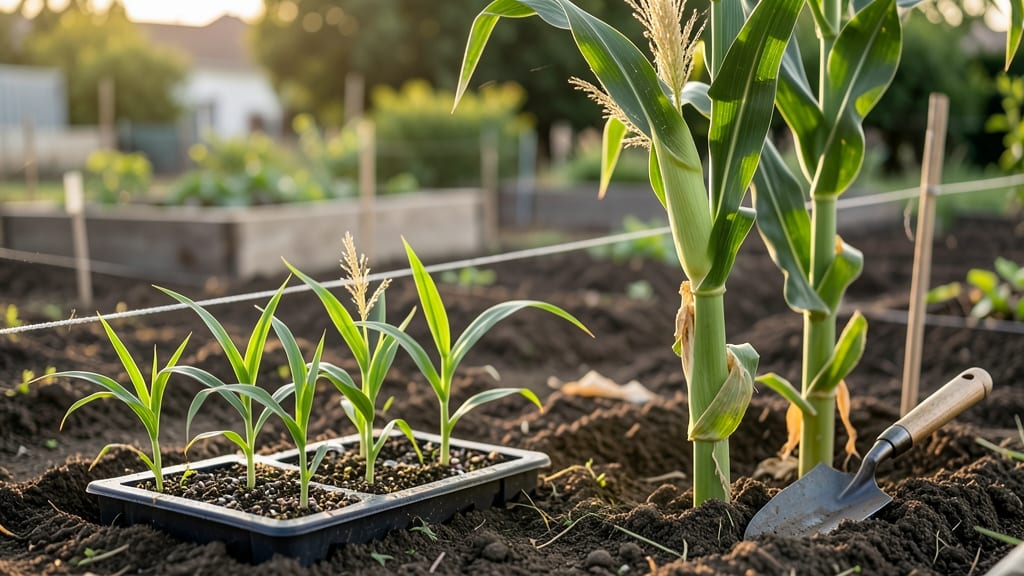
Timing your corn planting in Pennsylvania isn’t just about following a calendar—it’s about matching your seeds to the state’s diverse microclimates for maximum yield and disease resistance.
With USDA zones 6a-7a offering a 165-day growing season, getting those kernels in the ground at the right moment can mean the difference between a bumper crop of golden 🌽 and a disappointing harvest.
Most gardeners in Pennsylvania wait until mid-April to mid-May, after the last frost, when soil temperatures consistently hit 60°F. But here’s the catch: planting too early risks frost damage, while waiting too long can leave you scrambling as summer winds down.
I’ll break down exactly how to read your local climate cues—because Pennsylvania’s varied terrain means what works in Pittsburgh might not fly in Philadelphia.
Whether you’re growing sweet corn for summer barbecues or field corn for fall storage, the right timing ensures strong stalks and plump ears. You’ll also discover how to stretch your growing season with clever tricks, like using row covers or selecting faster-maturing varieties.
Let’s dive into the specifics so you can plant with confidence and harvest like a pro.
From adjusting for elevation to choosing the perfect variety for your zone, this guide covers all the critical factors to help your corn thrive. Ready to turn your garden into a cornfield goldmine? Let’s get started.
Pennsylvania corn planting dates by hardiness Zone (5a-7a)
Planting corn in Pennsylvania requires precision—your last frost date and USDA hardiness zone (5a-7a) determine when to start seeds. Most gardeners aim for mid-April to mid-May, but soil temperature matters more than the calendar.
Corn needs soil at at least 50°F to sprout, with ideal germination at 60°F or warmer. In Zone 5a (northern PA), wait until mid-May, while Zone 7a (southern PA) can start as early as late April.
Pennsylvania’s frost-free season averages 165 days, but this varies by region. For example, Pittsburgh (Zone 6a) typically sees its last frost around April 15, while Philadelphia (Zone 7a) warms up by April 1.
Planting too early risks frost damage, while delaying can shorten the growing season for longer-maturity varieties (90+ days).
Corn is a warm-season crop, so never start seeds indoors—direct sowing is best. Use black plastic mulch to warm soil faster in cooler zones.
For sweet corn, choose early-maturing varieties (60-75 days) like 'Silver Queen' or 'Peaches and Cream' to avoid late-summer pests. Field corn and popcorn (90-120 days) need longer seasons and should be planted in Zone 6a-7a only.
For Zone 5a, focus on short-season varieties (60-75 days) to avoid frost. In Zone 7a, you can experiment with late-summer plantings (June) for fall harvests, but use disease-resistant hybrids like 'Pioneer 39T21' to combat Pennsylvania’s humid summers.
Always check your local agricultural extension office for microclimate adjustments, especially in urban areas where heat islands can push planting dates earlier.
Corn thrives in full sun (6-8+ hours daily), but Pennsylvania’s variable spring weather can delay planting. If frost threatens after sowing, use row covers or cold frames to protect seedlings.
Avoid planting when nighttime temps drop below 50°F, as this stunts growth. In northern PA, consider black plastic mulch to raise soil temps by 5-10°F.
Your corn’s maturity group (early, mid, or late) should align with your zone. For example, 'Early Sunglow' (70 days) works in Zone 5a, while 'Country Gold' (100 days) needs Zone 6a-7a.
Mixing maturity groups ensures continuous harvests and reduces waste. Always plant at least 3 rows for cross-pollination, even if growing sweet corn for home use.
Pennsylvania’s humid climate increases risks of fungal diseases like gray leaf spot. To mitigate this, plant disease-resistant varieties and avoid overhead watering. In low-lying areas (e.g., Allegheny River Valley), watch for late-spring frosts—these can delay planting by 2-3 weeks.
Use a soil thermometer to confirm temps before planting; corn seeds won’t germinate below 50°F.
For urban gardeners in cities like Philadelphia or Pittsburgh, microclimates can shift planting dates by 1-2 weeks. South-facing walls or rooftop gardens may warm up faster, allowing earlier plantings. If your garden is in a shadier spot, choose dwarf varieties like 'Golden Bantam' (60 days) and supplement with grow lights if needed. Always space plants 12-18 inches apart to improve airflow and
How to adjust planting dates for Pennsylvania’s microclimates
Pennsylvania’s diverse geography—from the Allegheny Mountains to the Delaware River Valley—means planting dates can vary by 1-2 weeks even within the same county. Urban gardens in Philadelphia may have earlier frost-free dates than rural areas in Erie, so adjust your schedule accordingly.
Always check your local last frost date (typically mid-April in southern PA to late May in the north) using resources like the Penn State Extension.
Elevation plays a critical role: Highland areas (USDA Zone 5a), like the Poconos, often experience colder soils and later planting windows. If you’re gardening above 1,500 feet, wait until late May to plant—delaying by 2-3 weeks compared to lower elevations.
Use a soil thermometer to confirm 50°F+ soil temps before planting, as corn won’t germinate in cooler conditions.
River valleys (e.g., Susquehanna) can experience unpredictable frosts even after May 15. If frost is forecasted within 7-10 days of planting, use row covers or cold frames to protect young seedlings. Remove covers once plants reach 6 inches tall to avoid overheating.
For urban gardeners with limited space, consider succession planting in June for late-season varieties. Choose short-season hybrids (60-75 days) like 'Early Sunglow' to harvest before first frost. Plant in containers or raised beds to warm soil faster—these microclimates can be 5-10°F warmer than in-ground soil.
If you’re in Zone 7a (southern PA), you can experiment with early March sowings under greenhouse conditions or with row covers. Transplant hardened-off seedlings after last frost for a head start. Just be cautious: March-planted corn is vulnerable to soilborne diseases if soil stays too wet.
Monitor local weather patterns for heatwaves in June-July, which can stress corn during pollination. If temperatures exceed 90°F for 3+ days, provide shade cloth to protect plants.
In northern PA (Zone 5a), prioritize disease-resistant varieties like 'Silver Queen' to combat gray leaf spot, a common fungal issue in cooler, humid conditions.
Pro tip: Plant a test row 1-2 weeks before your target date to gauge soil warmth and frost risk. Adjust your full planting schedule based on the test row’s success. Corn is forgiving—better to plant too late than too early and risk frost damage.