
Plants
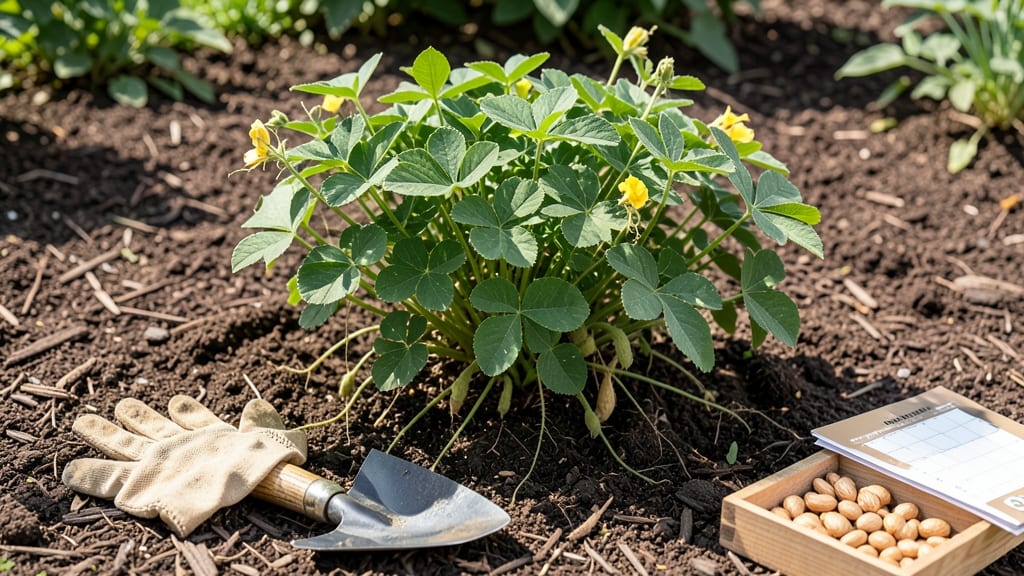
North Carolina peanut planting dates by heat Zone (NC 1-8)
North Carolina’s diverse climate—spanning USDA Zones 7a to 8b—means peanut planting dates vary dramatically. In cooler mountain regions like Zone 7a, you’ll need to wait until late May, while coastal Zone 8b gardeners can plant as early as mid-April.
The key is waiting until soil temperatures hit 70°F at 2-inch depth for reliable germination.
Peanuts are warm-season crops that despise frost, so timing your planting to avoid late spring frosts (common in Zones 7a-7b) is critical. Even a light frost can kill emerging seedlings, wasting your entire season.
I’ve planted peanuts in Zone 7b for years, and I’ve learned the hard way that rushing the schedule leads to poor yields.
Here’s the breakdown by zone, including optimal planting windows and soil temperature triggers to ensure your peanuts thrive:
For Zone 7a gardeners, I recommend using early-maturing varieties like ‘Early Spanish’ (90-day harvest) to avoid early fall frosts that can damage pods before maturity. In Zone 8b, you can push planting into early June for a second harvest if your first crop is ready by late September.
Always check your local NC State Extension office for micro-climate adjustments. For example, the Asheville area (Zone 7a) might have later frost dates than Boone (Zone 7b), even though they’re close in distance. A quick call to your county extension agent can save you from costly mistakes.
One pro tip I’ve used successfully: Pre-warm your soil in cooler zones by covering beds with clear plastic 2-3 weeks before planting. This raises soil temps by 5-10°F, giving you a 2-week head start on the season.
Just remove the plastic 48 hours before planting to avoid overheating seeds.
Remember, peanuts need 120-150 days to mature, so calculate backward from your first expected frost date. In Zone 7a, that means planting by June 15 for a late September harvest. Miss this window, and your pods won’t develop properly.
Finally, monitor your soil moisture during germination—peanut seeds need consistent dampness (not soggy soil) to sprout. Use a soil thermometer to confirm temps before planting; below 65°F and germination slows dramatically. 70°F+ is your sweet spot for fast, even sprouting.
How to adjust peanut planting dates for early/late varieties
North Carolina’s diverse heat zones mean you can grow both early-maturing and late-maturing peanut varieties, but timing matters.
Early varieties like Early Spanish (90-day harvest) need planting as soon as soil warms to 70°F, while late varieties like Virginia (130-day harvest) can wait until late May for full maturity before frost. Your choice affects your harvest window and yield potential.
For Zone 7a (western NC), plant early varieties mid-April to early May—soil warms faster there. In Zone 8a (coastal NC), late varieties can go in until early June without risking frost.
Always check your last frost date (typically mid-April) and adjust 2–3 weeks after that for early varieties.
Here’s how to fine-tune your planting schedule based on variety and zone:
- Best for: Zones 7a–8a
- Planting window: Mid-April to early May
- Soil temp: 70°F+ (use a soil thermometer)
- Example: Early Spanish, Georgia Red
- Harvest: Late August to September
- Best for: Zones 7b–8b
- Planting window: Late April to early June
- Soil temp: 75°F+ (warmer soil = faster growth)
- Example: Florunner, Southern Runner
- Harvest: September to early October
- Best for: Zones 8a–8b (coastal/warmer areas)
- Planting window: Late May to early June
- Soil temp: 80°F+ (ideal for long season)
- Example: Virginia, NC 10C
- Harvest: Late September to October
If your spring is unpredictable (like 2023’s late frost in the Piedmont), opt for mid-season varieties planted in early May. They give you flexibility to adjust if cold snaps linger.
For container growing, early varieties work best—just ensure pots are at least 12 inches deep and use heat mats to extend the season.
Always monitor soil temperature with a probe—peanut seeds won’t germinate below 68°F. If you’re in Zone 7a and soil stays cool, wait until late May for mid-season varieties to avoid stunted growth. Patience here pays off with bigger, healthier pods come harvest time.
For second-crop peanuts (a rare but rewarding trick), plant late varieties in early June if your season stretches into November. Just ensure you have 120+ frost-free days left—check the NC State Climate Office for local forecasts. 📅