
Plants
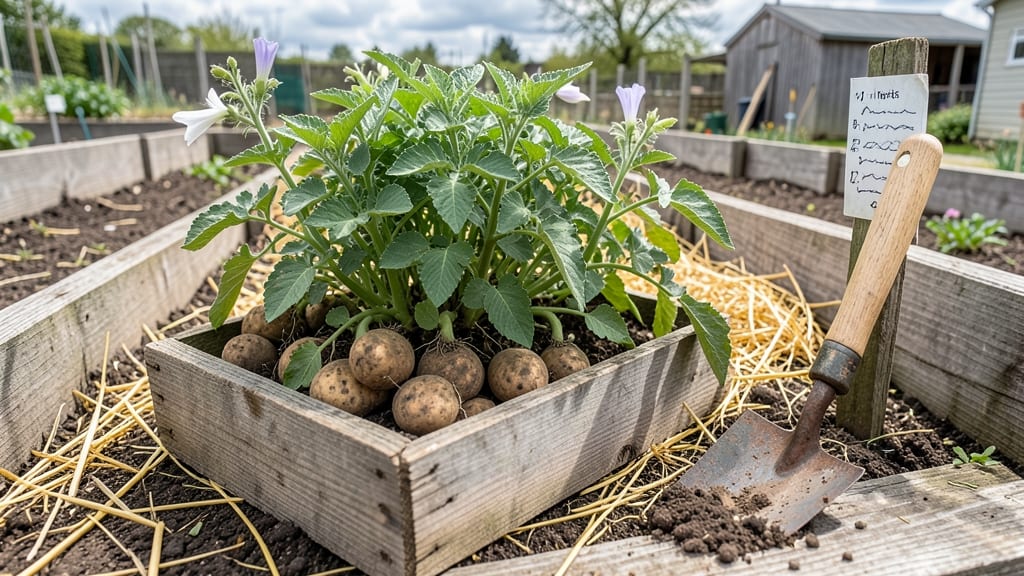
When do you plant potatoes in Illinois? Timing your potato planting correctly can mean the difference between a thriving harvest and struggling sprouts. With USDA zones 5b-6b and unpredictable spring weather, getting those 🥔 tubers in the ground at the right moment is key to avoiding frost damage and maximizing yield.
Most Illinois gardeners plant potatoes in early spring—typically between March and April—but the exact window depends on soil temperatures and your last frost date. Planting too early risks frost damage, while waiting too long can delay your harvest.
I’ll show you how to read your soil’s cues and adjust your schedule for the fastest, healthiest growth.
Did you know chitting your potatoes indoors can give you a 2-week head start? This simple pre-sprouting trick helps them establish roots faster once planted, giving you an edge in Illinois’ shorter growing season.
Whether you’re a seasoned gardener or just starting, these timing secrets will help you grow potatoes that outperform the neighbors’.
From choosing the right varieties for your microclimate to adjusting for late frosts, this guide covers everything you need to know. Let’s get those potatoes in the ground at the perfect moment for a bumper crop!
Optimal planting times in Illinois based on soil temperature and frost dates
Timing your potato planting in Illinois (USDA zones 5b-6b) depends on two critical factors: soil temperature and last frost dates. Potatoes thrive when soil reaches 45-50°F, signaling it's warm enough for roots to establish without rotting.
Planting too early risks frost damage, while waiting too long can delay harvests and invite pests like colorado potato beetles.
In most of Illinois, the last frost date falls around mid-April, but this varies by region. Northern areas (e.g., Chicago) may experience frost until April 20-25, while southern regions (e.g., St. Louis) can plant as early as March 20-30.
Aim to plant 2-4 weeks before your local last frost date for optimal growth.
For early-season varieties like 'Yukon Gold', start planting in late February to early March if you use row covers or a cold frame. These methods protect tender sprouts from unexpected late frosts. In contrast, late-season varieties like 'Kennebec' can wait until mid-April for planting, extending your harvest window.
Soil temperature is your best guide—use a soil thermometer to confirm it’s consistently 45°F or warmer at a 4-inch depth. Cold soil slows sprouting and increases rot risks. If temperatures fluctuate, opt for direct sowing after the last frost rather than pre-sprouting indoors.
Illinois’ frost-free growing season spans about 165 days, leaving ample time for two successive plantings if you choose fast-maturing varieties. Plant the first batch in March-April and a second batch in mid-May for a staggered harvest from June through August.
Here’s how to adjust timing based on your microclimate:
- Northern Illinois: Wait until mid-April unless using frost protection.
- Central Illinois: Plant late March to early April for best results.
- Southern Illinois: Start as early as February 20 for early varieties.
If you’re unsure about your local frost dates, check the Old Farmer’s Almanac or your county extension office for precise data. For example, Chicago’s average last frost is April 15, but 2023 saw late frosts into May, delaying plantings by weeks. Always have a backup plan like row covers or a greenhouse for early starts.
For container growing, plant potatoes in late April to early May to avoid overheating soil in pots. Containers warm up faster than garden beds, so monitor soil temperature closely. Use black plastic mulch to warm soil 5-10°F faster if you’re eager to plant early.
Pro tip: Plant test rows 1-2 weeks apart in March and April to gauge soil conditions. This helps you identify the sweet spot for your specific microclimate. Adjust future plantings based on which row shows the fastest, healthiest sprouts.
Remember, Illinois’ unpredictable weather means flexibility is key. If a late frost threatens, cover seedlings with lightweight row fabric or old blankets. With the right timing, you’ll enjoy homegrown potatoes from June through August—just in time for fresh mashed potatoes or crispy roasted spuds!
Optimal planting times in Illinois based on soil temperature and frost dates
In Illinois, where USDA zones 5b-6b dominate, timing your potato planting is all about soil temperature and frost dates. The ideal window opens when soil reaches 45-50°F, typically 2-4 weeks before your last spring frost.
For most of Illinois, this means mid-March to early April, but northern regions like Chicago may need to wait until late April.
Southern Illinois, with its milder winters, can start as early as February for early varieties. The key is avoiding frost damage while ensuring consistent soil warmth for sprouting. Check your local USDA frost map—Illinois' average last frost ranges from April 1-15, depending on your county.
Here’s what you need to know about soil temperature triggers and regional adjustments to plant potatoes successfully in Illinois:
| Region | Soil Temp Trigger | Last Frost Date | Planting Window |
|---|---|---|---|
| Northern IL (Chicago, Rockford) | 45-50°F (late April) | April 15-30 | Mid-April to early May |
| Central IL (Springfield, Peoria) | 45-50°F (early April) | April 1-15 | Late March to early April |
| Southern IL (Carbondale, St. Louis metro) | 45-50°F (February-March) | March 15-April 1 | February (early varieties) to March |
📍 Note: Adjust for microclimates—low-lying areas may frost later.
For extended harvests, consider succession planting every 2-3 weeks after your first planting. This works especially well for late-season varieties like 'Kennebec,' which thrive in cooler summer months. Just ensure your final planting finishes by mid-June to allow 90-120 days for tuber development before frost.
If you’re unsure about your soil temperature, use a soil thermometer—it’s the surest way to avoid planting too early. Cold soil can stunt sprouts or invite disease.
In Illinois, late April is your safety net for most regions, but don’t wait too long—June plantings risk smaller yields before frost.
Pro tip: Mulch heavily after planting to retain soil warmth and protect young sprouts from late frosts. Straw or shredded leaves work best. This is especially critical in Zone 5b, where unpredictable frosts can delay planting by weeks.
Timing isn’t just about the calendar—it’s about soil readiness and weather patterns. Illinois gardeners who nail these factors often see 20-30% larger yields with fewer pests. Start your seed potatoes indoors (chitting) 4-6 weeks before planting to give them a head start in cooler regions.