
Plants
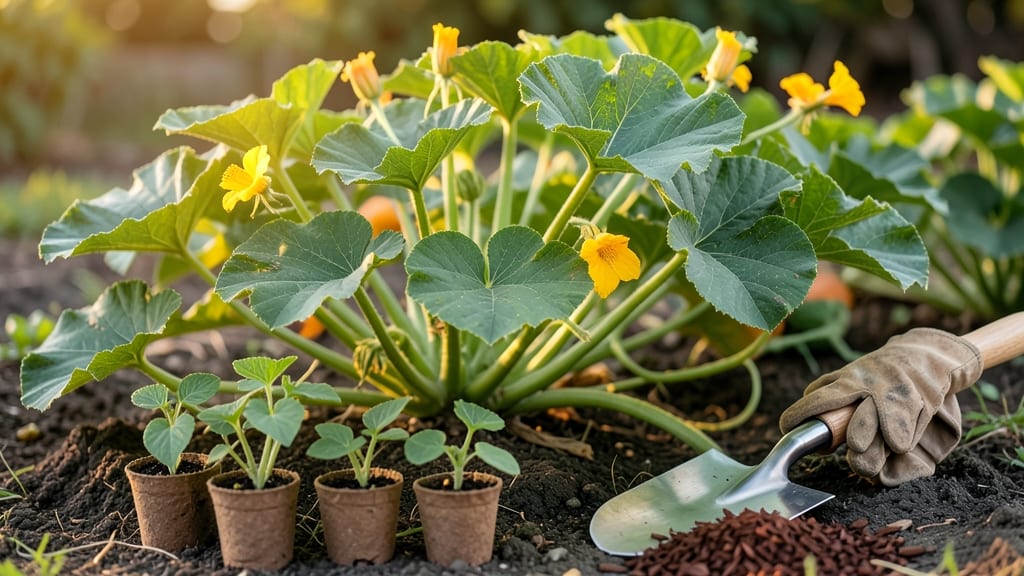
Optimal pumpkin planting dates in South Carolina by region
South Carolina’s varied climate—from the humid Lowcountry to the cooler Upstate—means planting times differ by region. The key is aligning your schedule with last frost dates and soil warmth, not calendar months.
For most of the state, late March to early April is ideal for spring plantings, but coastal areas can start slightly earlier due to milder winters.
If you’re aiming for a fall harvest before frost, mid-July plantings work well, giving pumpkins 90-120 days to mature. However, Upstate growers should wait until late April to avoid early summer heat stress. Always check your local USDA Zone (7b-8a) for precise adjustments.
🌱
📅 Pumpkin Planting Timeline by South Carolina Region
| Region | Spring Planting Window | Fall Planting Window | Soil Temp Requirement | Key Consideration |
|---|---|---|---|---|
| Upstate (Greenville, Spartanburg) | Late April – Early May | Mid-July | 60°F+ | Cooler nights; use black plastic mulch |
| Midlands (Columbia, Rock Hill) | Late March – Early April | Early July | 60°F+ | Moderate humidity; watch for fungal diseases |
| Coastal (Charleston, Myrtle Beach) | Early March – Mid-April | Late June | 65°F+ | Warmer soil; extend season with row covers |
📌 Pro Tip: Use a soil thermometer to confirm 60°F+ before planting—cold soil delays germination.
For direct sowing (planting seeds outdoors), wait until all danger of frost has passed. Transplants can go in 2-3 weeks earlier, but handle them gently—their roots are delicate. Coastal gardeners often start indoor seedlings in February for a head start, while Upstate growers may need to wait until May.
🌿
Timing isn’t just about frost—it’s also about heat tolerance. Planting in late May or June risks blossom-end rot or stunted growth from summer’s intense heat. If you miss the spring window, opt for heat-tolerant varieties like ‘Cinderella’ or ‘Jack Be Little’ for fall plantings.
🎃
Always monitor local weather forecasts for unexpected cold snaps. In USDA Zone 7b, a late frost can occur as late as mid-April, so have row covers ready to protect young seedlings. For coastal areas, hurricane season (June-November) may delay outdoor work—plan accordingly.
💧
Ready to plant? Start by testing your soil’s pH (6.0-7.0 ideal) and amending with compost. Next, we’ll cover how to adjust timing for pumpkin varieties and soil conditions to maximize your harvest.
How to adjust planting time for pumpkin varieties and soil conditions
Not all pumpkin varieties thrive on the same schedule in South Carolina’s climate. Giant varieties like Atlantic Giant need a longer growing season, while smaller types like Sugar Pie mature faster.
Adjust your planting timeline based on the variety you choose—this can mean the difference between a bountiful harvest and struggling vines. For example, giant pumpkins should be planted 4-6 weeks earlier than smaller varieties to ensure they reach maturity before frost.
Soil temperature is another critical factor. Pumpkin seeds won’t sprout until the soil reaches at least 60°F. Use a soil thermometer to check—if it’s cooler, wait a few more days or use black plastic mulch to warm the soil faster.
In South Carolina, this usually means holding off until late April or early May in most regions, unless you’re using row covers or other tricks to jumpstart growth.
For those who want a fall harvest, consider a mid-July planting. This second planting takes advantage of South Carolina’s warm summer months and often produces smaller but sweeter pumpkins perfect for pies and carving.
Just be sure to choose fast-maturing varieties like Cinderella or Jack Be Little, which can go from seed to harvest in as little as 75-85 days.
If you’re in a cooler microclimate, like the Upstate, consider using row covers or cold frames to extend your growing season. These tools can add 2-4 weeks of protection, allowing you to plant earlier or harvest later.
For example, a row cover can help you plant in early April instead of waiting until late April, giving your pumpkins a head start in the race against frost.
Don’t forget to rotate crops if you’re planting pumpkins year after year. Pumpkins are heavy feeders and can deplete soil nutrients. After harvesting, add compost or aged manure to replenish the soil for next season.
This simple step ensures your pumpkins have the nutrients they need to thrive, even in South Carolina’s humid, fast-draining soils.
Finally, keep an eye on the weather forecast in the days leading up to planting. A sudden cold snap can delay germination, while unexpected heat waves might stress young seedlings.
By staying flexible and adjusting your planting timeline based on soil conditions, variety needs, and weather, you’ll set your pumpkins up for success—no matter where you are in South Carolina. 🎃