
Plants
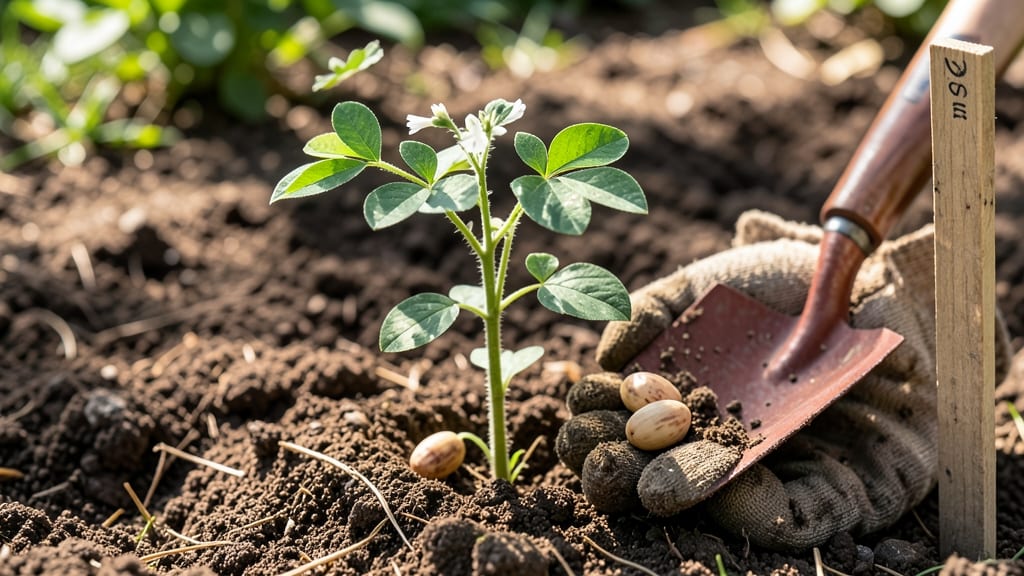
Alabama soybean planting dates by hardiness Zone (2024 guide)
Alabama’s USDA hardiness zones 7a-8b create perfect conditions for soybeans, but timing your planting window correctly is critical. Most Alabama farmers aim for April through early May, when soil temperatures consistently stay above 60°F (15.5°C).
This timing avoids early frost damage while maximizing germination rates and yield potential.
Soybeans are sensitive to cold soil—planting too early when temperatures dip below 55°F (13°C) can stunt growth or invite soil-borne diseases.
The last average frost date in Alabama typically falls around March 15, so waiting 2-3 weeks after this date gives seeds the warmth they need to sprout reliably.
Here’s how Alabama’s two primary hardiness zones influence planting schedules:
Zone 7a (Northern Alabama, e.g., Huntsville, Decatur) has a slightly shorter growing season, so farmers often plant mid-April to early May to ensure maturity before the first frost (November 15). Zone 8b (Southern Alabama, e.g., Mobile, Dothan) enjoys longer summers, allowing for late March to mid-May planting with higher success rates.
Soil temperature is the #1 factor for timing. Use a soil thermometer to confirm 60-65°F (15.5-18°C) at a 2-inch depth. If your soil heats up faster (common in sandy soils), you may plant as early as late March. Conversely, clay-heavy soils may require waiting until early May.
Early-season varieties (e.g., ‘Earlygold') are ideal for Zone 7a, while mid-to-late maturing varieties (e.g., ‘AGS 4402') thrive in Zone 8b. Choosing the right variety based on your zone can extend your harvest window from August to October.
For home gardeners, planting in early April is a safe bet across most of Alabama. If you’re in Zone 8b, you can even start late February for an extended harvest. Just monitor weather forecasts—unexpected cold snaps can delay planting by 1-2 weeks.
Pro tip: Direct sow seeds 1-1.5 inches deep and 2-4 inches apart in rows spaced 18-30 inches apart. This spacing gives plants room to compete for sunlight and reduces disease pressure from overcrowding.
Once planted, maintain consistent soil moisture (1-2 inches per week) until seeds germinate, which typically takes 7-14 days in warm Alabama soil. Thin seedlings to 4-6 inches apart when they reach 2 inches tall to ensure strong, healthy plants.
🌱
How to adjust planting timing for Alabama’s microclimates and soil conditions
Alabama’s varied geography—from sandy coastal plains to clay-rich valleys—means soybean planting dates should never be one-size-fits-all. Your local soil type and microclimate can shift ideal planting windows by 2-4 weeks.
For example, sandy soils in Mobile County warm faster, allowing earlier planting, while clay-heavy areas in north Alabama may need delayed sowing to avoid waterlogging.
Urban gardeners in Birmingham might face heat stress if planting too early, while rural farmers in Zone 8b can push limits with late May sowings. Always check your USDA Plant Hardiness Zone map and adjust for local conditions—like drought-prone areas where irrigation is critical for germination.
Here’s how to fine-tune your timing based on Alabama’s unique growing conditions:
- 🌡️ Test soil temperature with a soil thermometer—aim for 60-65°F at 2-inch depth before planting. Sandy soils hit this 1-2 weeks earlier than clay.
- 💧 Waterlogged clay soils? Plant 1-2 weeks later or use raised beds to improve drainage. Add organic matter (compost or peat moss) to heavy soils before sowing.
- ☀️ Urban heat islands (like Huntsville) can push planting 10 days earlier—monitor for heat stress (wilting, yellowing leaves) and mulch heavily to retain moisture.
- 🌱 Drought-resistant varieties (e.g., 'AGS 425' or 'Bragg') tolerate late May plantings better than standard types. Check seed packets for maturity days to align with your first frost.
- 🔧 Irrigation setup? Use drip lines or soaker hoses to maintain consistent moisture during germination. Avoid overhead watering to prevent disease spread.
Pro tip: Direct-sow seeds after your last frost date (typically March 15 in most of Alabama) but no later than June 1 for full-season varieties. If you’re in Zone 8b, you can stretch into early July for shorter-season types like 'Hutcheson'.
For container growing, use 5-gallon pots and plant 2-3 weeks earlier than ground planting—containers warm faster and dry out quicker. Always place pots in full sun (6+ hours daily) and use well-draining soil mixes to prevent root rot.
Remember: Alabama’s humidity and summer pests (like soybean loopers) mean faster growth but also quicker stress. Stay vigilant with mulching and pest monitoring to keep your crop thriving! 🌱