
Flowers
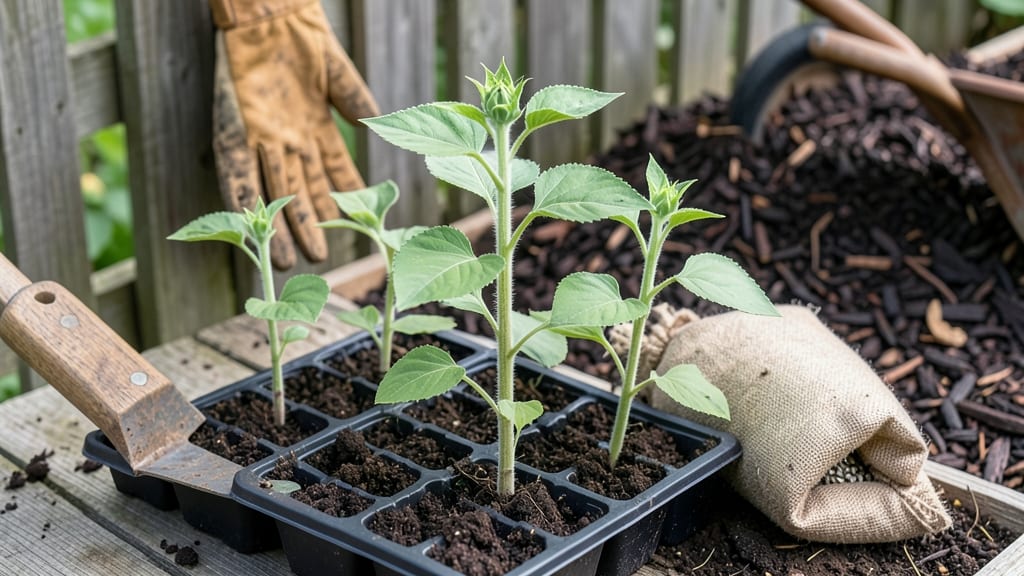
Planting sunflowers in Florida at the wrong time can mean missed blooms or stunted growth—but timing it right unlocks those iconic 🌻 faces all year. With Florida’s warm climate and long growing season, you’ve got two prime windows to get them in the ground: early spring and late summer.
The key is avoiding the brutal summer heat when seedlings struggle to establish roots. Instead, aim for February through April for spring blooms or September to October for fall displays. These windows give your sunflowers the perfect balance of warmth and moisture to thrive.
Whether you’re growing towering giants for cut flowers or compact varieties for containers, proper timing is the secret to perfect blooms. I’ll walk you through Florida’s frost-free zones, soil prep tips, and even how to extend your blooming season with smart planting strategies.
Ready to turn your garden into a sunflower paradise? Let’s dive into the exact steps to make your planting season a success—no guesswork required.
Best planting times for sunflowers in Florida by season
Florida’s warm climate and long growing season make it possible to grow sunflowers year-round, but timing is everything. Plant too early, and you’ll face heat stress before blooms appear.
Plant too late, and short days may stunt growth. The key is aligning your planting with Florida’s microclimates—North, Central, and South—where frost risks and summer heat vary dramatically.
For most of Florida, the ideal planting windows are February through April for spring blooms and September through October for fall/winter harvests. South Florida gardeners can even plant year-round with minimal frost risk, while North Florida’s cooler winters limit planting to spring and early fall.
Let’s break down the best times for each region.
🌱 Sunflower Planting Guide for Florida
| Region | Best Planting Months | Avoid Planting | Bloom Time |
|---|---|---|---|
| North Florida (Zones 8a-9a) | February–April, September–October | May–August (extreme heat) | April–June, November–December |
| Central Florida (Zones 9a-10a) | January–April, August–October | June–July (peak heat) | March–May, October–December |
| South Florida (Zones 10b-11) | Year-round (staggered) | None (but avoid June–July for best results) | February–June, September–January |
💡 Pro Tip: Use succession planting every 2–3 weeks in spring/fall to extend blooms.
North Florida’s cooler winters mean sunflowers can handle January plantings if soil temperatures stay above 55°F. However, avoid planting after April 15, as summer’s 90°F+ heat can cause bolting (premature flowering) or leaf scorch.
For North Florida, September is your last chance to plant for winter blooms before frost arrives in December.
Central Florida’s warmer winters allow for January plantings, but focus on February–April for reliable blooms. The summer slump (June–July) is the worst time to plant—temperatures often exceed 95°F, stressing young seedlings. Instead, opt for August–October plantings to avoid heat stress and ensure fall/winter harvests.
South Florida’s tropical climate means sunflowers can grow year-round, but staggered plantings every 4–6 weeks maximize blooms.
Even here, June–July’s extreme heat can reduce yields, so prioritize spring and fall for the healthiest plants. Dwarf varieties like ‘Teddy Bear’ thrive in summer’s heat, while tall varieties (e.g., ‘Mammoth’) need cooler seasons.
Soil temperature is more critical than air temperature. Use a soil thermometer to confirm 55°F+ before planting—cold soil delays germination.
In Florida, this usually aligns with late winter/early spring and early fall. Mulch with straw to keep roots warm in spring or cool in summer, especially for container-grown sunflowers.
Don’t overlook microclimates within your yard. A shady spot under a tree might stay cooler in summer, allowing late-summer plantings where open sun would fail. Similarly, elevated beds warm up faster in spring, giving you a 2–3 week head start over ground plantings.
For continuous blooms, pair your main planting with succession sowings. Plant half your seeds in February, another quarter in March, and the last in late April. This ensures blooms from April through June. Repeat the process in September–October for fall/winter color.
Finally, choose heat-tolerant varieties if you’re pushing the limits. ‘Autumn Beauty’ and ‘ProCut’ handle Florida’s heat better than traditional ‘Russian Giant’. Always check seed packets for days to maturity—shorter varieties (e.g., ‘Moulin Rouge’) bloom faster in Florida’s long days.
Best planting times for sunflowers in Florida by season
Florida’s warm climate means sunflowers can grow almost year-round, but timing matters for vibrant blooms. In North Florida (Zones 8a-9a), start planting sunflowers after the last frost date (mid-January), ideally in February or March.
For Central and South Florida (Zones 9b-11), you can plant as early as January or even late December in frost-free areas.
Sunflowers thrive in Florida’s spring and fall when temperatures are mild. Planting in late summer (August-September) can work if you provide extra shade during peak heat. Avoid planting in June-July when temperatures often exceed 90°F, stressing young plants.
🌱 Florida Sunflower Planting Guide by Season
| Season | Best Planting Months | Temperature Range | Notes |
|---|---|---|---|
| Early Spring | February - April | 60°F - 80°F | Ideal for tall varieties; avoid frost |
| Late Summer | August - September | 75°F - 85°F | Use shade cloth for young plants |
| Fall | September - October | 70°F - 80°F | Best for winter blooms in North FL |
For North Florida gardeners, focus on spring planting (February-April) to avoid late-season frosts. In South Florida (Zones 10-11), you can plant sunflowers year-round, but expect slower growth during summer’s peak heat. Always choose heat-tolerant varieties like 'Autumn Beauty' or 'Moulin Rouge' for Florida’s climate.
Sunflowers need 6+ hours of sunlight daily, so pick a south-facing spot with well-draining soil. Amend Florida’s sandy soil with compost to retain moisture and nutrients. Plant seeds 1 inch deep and 6-12 inches apart, depending on the variety’s mature size.
In Central Florida (Zones 9a-9b), you can extend the growing season by planting every 2-3 weeks from February through October. This succession planting ensures continuous blooms. Just remember: sunflowers grow fastest when daytime temperatures stay between 70°F and 80°F.
Pro tip: Use mulch to keep soil cool and retain moisture, especially during Florida’s hot, dry summers. Avoid planting sunflowers in waterlogged soil, which can cause root rot—a common issue in Florida’s humid climate.