
Plants
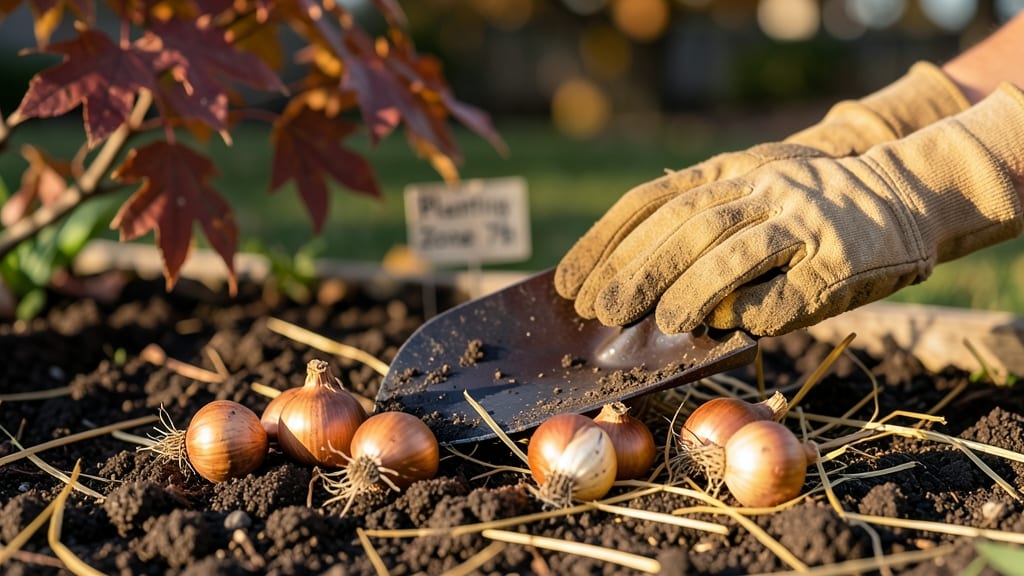
Planting tulip bulbs at the wrong time in North Carolina can mean the difference between a showstopping spring display 🌷 and disappointed gardeners staring at bare soil.
The key window—typically October through December—lets your bulbs establish roots before winter’s chill, but NC’s varied climate zones (like 6a’s cooler mountains vs. 8a’s milder coast) demand precision.
I’ve seen firsthand how a two-week delay can turn vibrant blooms into flops, especially in zones where frost arrives early. Whether you’re in Raleigh’s 7b or Wilmington’s 8a**, the right timing ensures your tulips thrive despite NC’s unpredictable weather shifts.
Let’s break down the exact dates and prep work to guarantee your garden bursts with color next spring.
You don’t need a green thumb—just the right strategy. From soil temperature checks to bulb depth tricks, I’ll walk you through zone-specific deadlines and how to adjust for urban heat islands or rural chill.
Skip the guesswork and plant with confidence, so your 🌷 blooms arrive on schedule—no matter where you garden in the Tar Heel State.
Ready to transform your yard? We’ll cover everything from pre-planting soil prep to post-winter care, so your tulips don’t just survive—they thrive. Let’s get those bulbs in the ground the right way, the first time.
North Carolina tulip planting dates by USDA hardiness Zone (exact calendar guide)
North Carolina spans USDA Zones 6b to 8a, which means your tulip planting window varies from late October in the mountains to mid-December along the coast.
The key is planting when soil temperatures drop below 60°F (15°C) but before the ground freezes solid. This ensures bulbs establish roots without rotting in warm soil.
For Zone 6b (Asheville, Boone), aim for mid-October to early November—the last frost typically hits around November 15. In Zone 7a (Raleigh, Greensboro), extend your window to late October to mid-December, with first frost on November 1.
Coastal areas in Zone 8a (Wilmington, Fayetteville) can plant until mid-December, as frost arrives later (October 30).
Pro tip: Use a soil thermometer to confirm temperatures. Tulip bulbs need 40–50°F (4–10°C) soil to trigger root growth. If your soil stays warm, wait until nighttime temps dip into the 50s°F (10–15°C) range.
Here’s your zone-by-zone planting calendar, including ideal soil conditions and frost dates to avoid:
| USDA Zone | City Examples | Planting Window | Soil Temp Goal | First Frost Date |
|---|---|---|---|---|
| 6b | Asheville, Boone | Mid-October – Early November | 40–50°F (4–10°C) | November 15 |
| 7a | Raleigh, Greensboro | Late October – Mid-December | 40–50°F (4–10°C) | November 1 |
| 7b | Charlotte, Durham | Late October – Late November | 40–50°F (4–10°C) | November 15 |
| 8a | Wilmington, Fayetteville | November – Mid-December | 50–60°F (10–15°C) | October 30 |
If you miss fall planting, January is your backup window—but success depends on consistent moisture and cooler soil. Bulbs planted in January may bloom later or produce fewer flowers. For best results, stick to the fall schedule and plant before December 1 in most of NC.
For container gardening, adjust your timing by 2–4 weeks earlier since pots heat up faster. Place containers in a shady spot after planting to slow soil warming. Mulch heavily with straw or leaves to protect bulbs from temperature swings.
Remember: Tulips need 6–8 weeks of cold dormancy to bloom reliably. If your winter is mild (like in Zone 8a), consider chilling bulbs in the fridge for 8–10 weeks before planting in January. This mimics natural winter conditions and boosts spring blooms.
After planting, mark your beds with stakes or flags to avoid disturbing bulbs next spring. Tulips emerge early, and you’ll want to avoid fertilizing until leaves appear in late winter. A light layer of mulch (2–3 inches) will insulate bulbs and suppress weeds.
🌷
Critical factors that determine perfect tulip planting timing in NC (beyond the calendar)
North Carolina’s diverse microclimates mean your tulip planting success hinges on more than just the calendar. The soil temperature at planting time is your first clue—aim for 40–50°F (4–10°C) soil.
In Zone 7a (like Raleigh), this often lands in mid-October, while Zone 8a (Wilmington) may stretch into early November.
Your bulb variety also dictates timing. Early bloomers like ‘Early Harbinger’ need planting by late September, while late bloomers such as Darwin hybrids can wait until November. Pro tip: Check the chill hours your tulips need—most NC varieties thrive with 1,000–1,500 hours below 40°F
Don’t overlook microclimates. Urban areas like Charlotte may experience heat islands, delaying frost. Test your soil’s moisture and drainage—tulips rot in soggy conditions.
Amend heavy clay with compost or sand to ensure bulbs get oxygen. A well-draining raised bed works wonders in wetter zones like the Coastal Plain.
Planting too early in Zone 8a? Your bulbs may sprout prematurely and get fried by summer heat. Wait until soil temps drop below 60°F (15°C)—use a soil thermometer to check!
Avoid waterlogged soil—tulips need good drainage to prevent rot. If your yard stays damp, plant on a mound or raised bed.
Timing also depends on bulb size. Larger bulbs (12+ cm) handle late planting better than small ones. For staggered blooms, plant 1/3 of your bulbs in October, another 1/3 in November, and the last batch in early December.
This extends your spring display from April to May.
Watch for first frost dates—plant 6–8 weeks before the ground freezes. In Asheville (Zone 7a), that’s usually mid-October, while Greenville (Zone 8a) can go until early November. Use your local Cooperative Extension Service frost charts for precision.
Finally, mulch lightly after planting with 2–3 inches of straw to insulate bulbs. Remove mulch in early spring to let sunlight warm the soil and trigger blooming. With these factors in mind, your NC tulips will thrive year after year!