
Vegetables
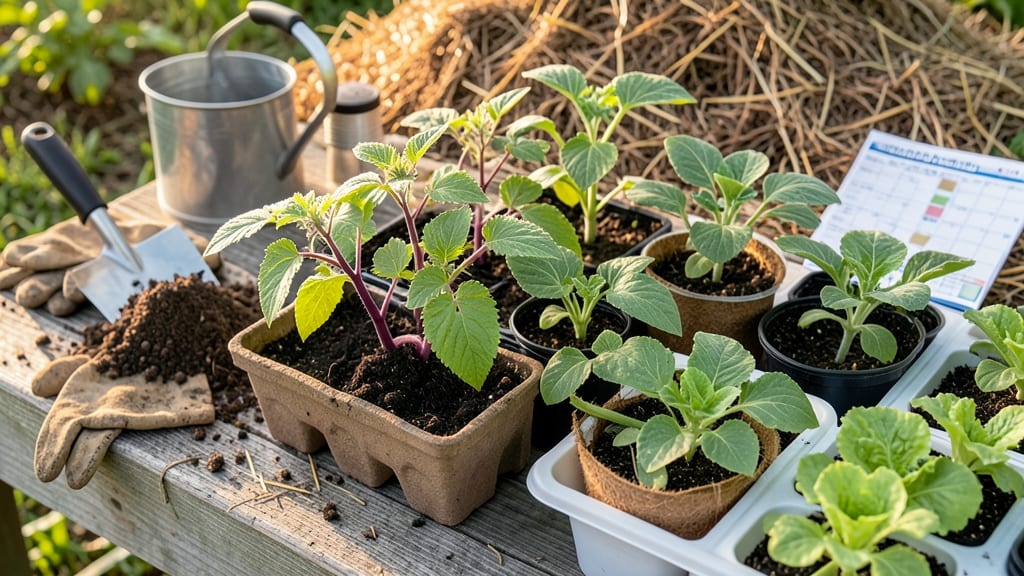
Oklahoma planting calendar: exact months for cool-season vegetables by frost Zone
Oklahoma’s cool-season vegetables thrive when planted before last frost dates, which vary between USDA Zones 6b (northern OK) and 7a (southern OK).
For most of the state, the last spring frost typically falls between March 15 and April 15, while the first fall frost arrives between October 15 and November 15.
These cold-hardy crops like lettuce, spinach, and broccoli can tolerate light frosts, but timing is critical to avoid bolting or stunted growth.
In Zone 6b (e.g., Tulsa, Oklahoma City), start sowing leafy greens like kale and spinach as early as late February under row covers. For Zone 7a (e.g., Oklahoma City, Lawton), you can push planting back to early March for direct sowing.
The key is to plant 4-6 weeks before your last frost date for a head start, then succession plant every 2-3 weeks for continuous harvests.
Here’s the exact planting schedule for Oklahoma’s most popular cool-season vegetables, including succession planting windows to maximize your garden’s productivity. This schedule assumes average frost dates but adjusts for microclimates (e.g., urban areas may frost later than rural zones).
🌱
For fall planting, repeat the process 8-10 weeks before your average first frost date. In Zone 6b, this means starting late July to early August, while Zone 7a gardeners can push it to early August to mid-August.
Choose fast-maturing varieties (e.g., ‘Early Wonder’ broccoli or ‘Cherry Belle’ radishes) to ensure harvests before winter sets in.
Pro tip: Use row covers or cold frames to extend the season by 2-4 weeks in both spring and fall. These protective layers shield young plants from late frosts while allowing sunlight to penetrate. Just remove them when temperatures rise above 60°F to prevent overheating.
If you’re in a microclimate (e.g., near a lake or urban heat island), adjust your planting dates by 1-2 weeks later for spring and 1-2 weeks earlier for fall. Check the Oklahoma Mesonet for real-time temperature data to fine-tune your schedule.
🌿
One common mistake is planting cool-season crops too late in spring, which leads to bolting (premature flowering). For example, lettuce planted in April may flower by
Best warm-season vegetables to plant in Oklahoma and their ideal start dates
Oklahoma’s long, hot summers are perfect for growing warm-season vegetables like tomatoes, peppers, and squash—but timing is everything. Plant too early, and frost will kill tender seedlings. Wait too long, and your harvest will suffer in the heat.
The key? Start seeds indoors or transplant after the last frost date (typically mid-April to early May in most of Oklahoma) when soil temperatures reach at least 60°F.
For direct sowing (planting seeds straight into the ground), wait until soil warms to 70°F or higher—usually late May to early June. This prevents poor germination and stunted growth.
Always check your local USDA zone (Oklahoma ranges from 6b to 8a) for precise timing, as northern areas like Oklahoma City have later last-frost dates than southern regions like Tulsa or Oklahoma City.
Here’s a breakdown of the best warm-season crops for Oklahoma gardens and their optimal planting windows to maximize yield and flavor:
Start seeds indoors 4-6 weeks before last frost (early March) or transplant after last frost (mid-April to early May).
Transplant after last frost (mid-April to early May) when soil is warm (70°F+). Peppers hate cold soil!
Direct sow after last frost (mid-April to early May) or wait until soil reaches 65°F (late May in cooler zones).
Direct sow after last frost (mid-April to early May) or wait until soil is 75°F+ (late May in northern OK).
Direct sow after last frost (mid-April to early May) or wait until soil is 60°F+. Plant in blocks for pollination!
Transplant after last frost (mid-April to early May) when soil is at least 70°F. Eggplants are heat-lovers!
Direct sow after last frost (mid-April to early May) or wait until soil is 65°F+. Drought-tolerant once established!
Pro tip: Use soil thermometers to monitor temperatures—warm-season crops won’t thrive in cold soil. If your soil is still chilly in spring, opt for container gardening to warm the roots faster or use black plastic mulch to raise soil temperature by 10-15°F.
For fall harvests, start planting warm-season crops again in late July to early August for a second crop before the first frost (typically mid-October to early November). Choose fast-maturing varieties (like Early Girl tomatoes or Bush Early Gold crookneck squash) to beat the clock.
Remember: Oklahoma’s unpredictable weather means flexibility is key. Keep an eye on weekly forecasts and be ready to cover young plants if a late frost sneaks in. With the right timing, you’ll enjoy homegrown tomatoes, peppers, and squash from summer through early fall! 🌿☀️