
Plants
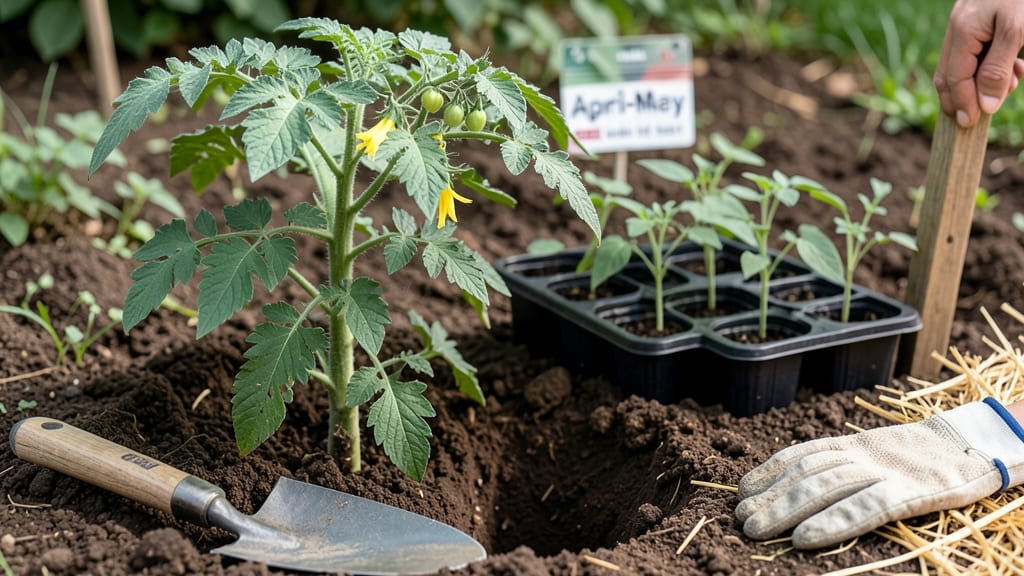
The best time to plant tomatoes in North Carolina isn’t just about the calendar—it’s about avoiding frost damage and giving your 🍅 plants the perfect start. With NC’s diverse climate zones, planting too early in the mountains or too late in the coastal plains can mean the difference between a bountiful harvest and wilted disappointment.
I’ve learned the hard way that timing matters more than most gardeners realize. Whether you’re starting seeds indoors or transplanting seedlings, getting it right means warmer soil, longer growing seasons, and fewer pests.
Let’s break down the exact windows you need to follow for your specific region—no guesswork, just proven results.
From the cooler mountain regions where frost lingers longer to the warmer coastal plains where heat arrives early, each area has its own ideal planting schedule. You’ll discover how to adjust for early vs. late varieties and avoid common mistakes that sabotage even the most eager gardeners.
Ready to grow tomatoes that thrive? I’ll walk you through the step-by-step timing, soil prep, and regional tweaks so you can confidently plant your 🍅 seeds or seedlings—just in time for a summer full of juicy, homegrown tomatoes.
North Carolina’s tomato planting zones: frost-free dates by USDA hardiness region
North Carolina spans five USDA hardiness zones (6b through 8a), each with distinct last frost dates that dictate your tomato planting window. The mountains (zone 6b) have the shortest growing season, while the coastal plains (zone 8a) enjoy the longest.
Getting these dates wrong can mean frost-killed seedlings or missed harvests.
For accurate planting times, check your local last frost date using the NOAA frost calendar or your county extension office. These dates vary yearly, but historical averages give a reliable starting point.
In zone 7a/b (Piedmont), the last frost typically falls between March 15 and April 15, while coastal areas often see frost-free conditions by February 15.
Tomatoes thrive when soil temperatures reach at least 60°F. Use a soil thermometer to confirm—planting too early in cool soil stalls growth and invites disease. In zone 6b, wait until May 1 or later, while zone 8a gardeners can plant as early as February 20 for early varieties.
Here’s how NC’s regions break down for tomato planting windows, including key frost dates and soil temperature thresholds:
| USDA Zone | Region | Last Frost Date (Avg.) | First Frost Date (Avg.) | Soil Temp Threshold | Planting Window |
|---|---|---|---|---|---|
| 6b | Mountains (Asheville, Boone) | April 15–May 1 | October 15–November 1 | 60°F+ | May 1–June 15 |
| 7a/b | Piedmont (Raleigh, Greensboro) | March 15–April 15 | October 15–November 15 | 60°F+ | April 1–May 15 |
| 7b | Coastal Plains (Wilmington, Fayetteville) | February 15–March 15 | November 15–December 1 | 60°F+ | March 1–April 15 |
| 8a | Outer Banks, Southern Coast | January 15–February 15 | December 15–January 15 | 60°F+ | February 20–March 30 |
🌱 Pro Tip: Use row covers to extend your planting window by 2–4 weeks in cooler zones.
If you’re in zone 6b or 7a, prioritize early-maturing varieties like ‘Early Girl’ (60 days) or ‘Stupice’ (55 days) to avoid early fall frosts. In zone 8a, you can even plant a fall crop in August for a late harvest—just use heat-tolerant varieties like ‘Solar Fire’ or ‘Heatmaster.’
For container gardening, warm soil heats up faster, so you can plant 2–4 weeks earlier than in-ground. Black pots absorb heat best, but monitor soil temps closely. In raised beds, soil warms up 1–2 weeks faster than in-ground plots, giving you an earlier start.
Always verify your local frost dates annually—they can shift due to climate change. Sign up for free alerts from your county extension service or use apps like Old Farmer’s Almanac for real-time updates. A single late frost can wipe out seedlings, so don’t rush—wait for consistency.
For succession planting, stagger transplants every 2–3 weeks to ensure a continuous harvest. In zone 7a/b, this means planting batches from April through June. Use shade cloth if early transplants face unexpected cold snaps, especially in the mountains.
Remember: Tomatoes hate cold feet. Even if frost risk passes, soil temperature is the real gatekeeper. Use a soil thermometer—plant only when temps stay above 60°F for 5+ days. In cooler zones, consider black plastic mulch to warm the soil faster.
🌿
How to adjust tomato planting for early vs. late varieties in NC’s climate
North Carolina’s short growing season demands smart planning when choosing tomato varieties. Early varieties like ‘Celebrity’ thrive in cooler spring temps, while heat-tolerant types such as ‘Solar Fire’ handle summer’s intensity.
Your planting window shifts based on these traits—planting too early risks frost damage, while late varieties may bolt in heat.
For coastal NC (Zone 8a), start heat-tolerant varieties after May 15 to avoid early-season wilting. In the mountains (Zone 6b), focus on early maturing types planted by April 15 to finish before fall frosts.
The Piedmont (Zone 7b) offers flexibility, allowing both early and late varieties with staggered plantings.
Extend your harvest season using row covers or cold frames. These tools let you plant 4-6 weeks earlier in spring or 2-3 weeks later in fall. For example, a floating row cover can push your last planting date into early September in most NC regions, adding weeks of harvest potential.
Transplanting dates matter more than seed-starting times in NC. Seedlings need 60°F+ soil to thrive—waiting for this temperature ensures robust growth. In Zone 7b, transplant mid-April to early May for early varieties, while late types go in late May to June.
Coastal gardeners can start 2 weeks earlier due to warmer soils.
Succession planting is your secret weapon for continuous harvests. In NC’s climate, plant new tomato sets every 2 weeks from April through June. This ensures you’re always 30-45 days from a fresh crop.
For example, a June 1 planting of ‘Mountain Merit’ will yield in late July, just as your April 15 batch begins to decline.
Monitor soil temperature with a probe—tomatoes won’t grow well below 60°F. In Zone 6b mountains, this often means waiting until late May for reliable warmth. Coastal gardeners can start 3 weeks earlier, but always verify with your local extension office for microclimate variations.