
Fertilization
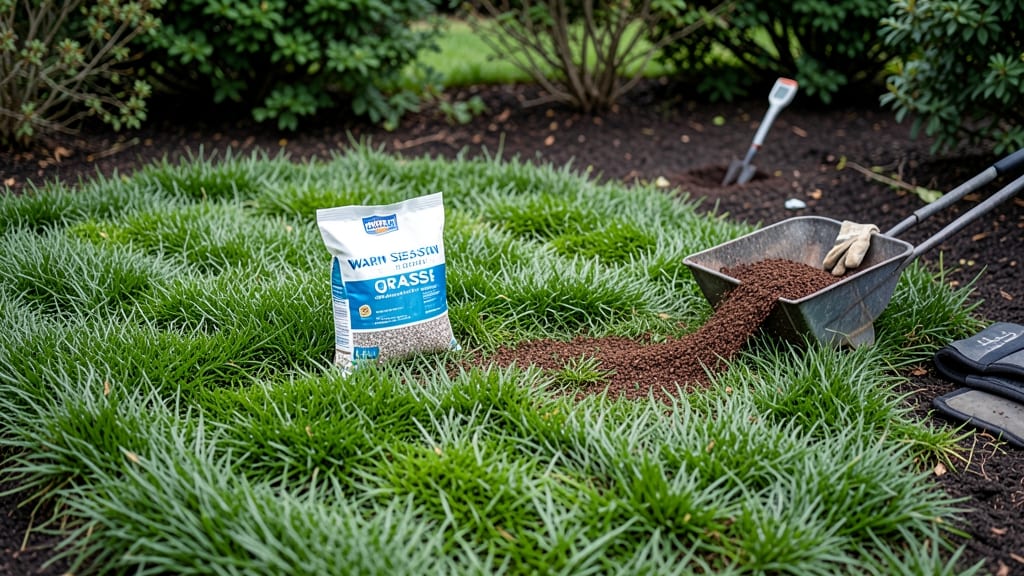
Florida’s ideal fertilization schedule by season (month-by-month guide)
Florida’s unique climate—with its humid summers and mild winters—means your lawn’s fertilization needs shift dramatically throughout the year. Unlike northern states, Florida’s three distinct seasons (wet/dry/transition) dictate when to apply nitrogen-rich fertilizers, slow-release options, or skip altogether.
For example, St. Augustinegrass thrives with spring feeding, while Bahia grass needs minimal summer care. Let’s break down the optimal fertilization timeline month by month, including temperature thresholds and rainfall adjustments.
Most Florida lawns benefit from 4 key feeding periods: early spring, late spring, early fall, and late fall. However, summer fertilization requires caution—high heat and humidity can burn grass if you apply high-nitrogen fertilizers.
Instead, opt for light iron supplements during peak summer months. Always check your grass type, as Centipedegrass (common in North Florida) has different needs than Zoysia (popular in Central/South Florida).
Pro Tip: Test your soil’s pH level (ideal: 6.0–7.0) before fertilizing. Florida’s sandy soils often lack organic matter, so amend with compost or peat moss if pH is off. Use a lawn soil test kit (available at local nurseries) for accurate results. Remember, over-fertilizing wastes money and can harm local waterways—Florida’s rainy season (June–September) is the worst time for excess nutrients.
For North Florida (e.g., Jacksonville, Gainesville), focus on March–April and September–October feedings, as cooler temps align with grass growth cycles. In South Florida (e.g., Miami, Fort Lauderdale), where winters are mild, you can extend feeding into late fall (November) for Zoysia and St. Augustine.
Always mow high (3–4 inches) before fertilizing to reduce stress—Florida’s intense sun can bleach grass if it’s too short.
One critical Florida-specific tip: Avoid fertilizing within 48 hours of rain or hurricane warnings. Storms wash away nutrients, wasting your investment and polluting waterways. Instead, check the National Weather Service forecast
5 Signs your Florida lawn needs fertilizer (and when to act)
Florida’s lawns face unique challenges—from hurricane season to sweltering summers—so spotting nutrient deficiencies early is key. Unlike cooler climates, Florida’s year-round growing season means your grass needs timely fertilization to stay lush.
Ignoring these 5 warning signs can lead to patchy growth or weed takeover, especially during monsoon transitions or post-drought recovery.
Yellowing grass is the most obvious sign your lawn is nutrient-deficient, often caused by low nitrogen or iron deficiency. In Florida, this happens most in late spring when rapid growth depletes soil nutrients faster than rain replenishes them. Check for uniform yellowing—if only random patches are affected, it might signal fungal issues or poor drainage instead.
Slow or patchy growth after a Florida rainstorm or drought is another red flag. Grass like St. Augustine or Bahia should bounce back within 2-3 weeks after heavy rain. If your lawn stays stunted or develops bare spots, it’s time to test soil pH (ideal: 6.0-7.0) and apply a balanced fertilizer (e.g., 16-4-8 NPK). Wait until afternoon showers pass to avoid nutrient runoff.
Weed invasion, especially crabgrass or dandelions, thrives when your lawn is weak from poor nutrition. Weeds like these compete aggressively in spring and fall, Florida’s prime growing seasons. If weeds cover more than 10% of your lawn, apply a pre-emergent fertilizer in early spring (February-March) or early fall (September-October) to strengthen grass roots before weeds sprout.
Thin or spongy grass that feels squishy underfoot signals root stress, often from overwatering or compacted soil. Florida’s clay-heavy soils worsen this issue, especially after heavy summer rains. Aerate your lawn in early fall (September) to loosen soil, then fertilize with a slow-release formula to encourage deep root growth. Avoid fertilizing during hurricane season (June-November) when flooding can wash away nutrients.
Grayish or purplish blades indicate potassium deficiency, common in drought-stressed Florida lawns. This often appears in late summer when high temperatures and low humidity stress grass. Apply a potassium-rich fertilizer (look for high third number in NPK, like 10-10-20) in August-September to boost drought resistance. Water deeply before applying to help nutrients absorb.
🌱 When to Act: Florida’s Fertilization Timeline
- Spring (March-April): Feed after last frost for new growth (avoid if rain predicted).
- Summer (June-July): Light feed only (e.g., iron supplements) to prevent burn.
- Fall (September-October): Fertilize for root strengthening before cool weather.
- Winter (December-February): Skip fertilization; grass is dormant.
Act fast if you spot these signs—Florida’s unpredictable weather means nutrient needs shift quickly. For example, after a hurricane, wait 2-3 weeks before fertilizing to let grass recover. Use a soil test kit (available at local garden centers) to confirm deficiencies before applying fertilizer.
Pro tip: Early morning is the best time to fertilize, as cool temps reduce nutrient loss from evaporation. 🌿