
Companion Plants
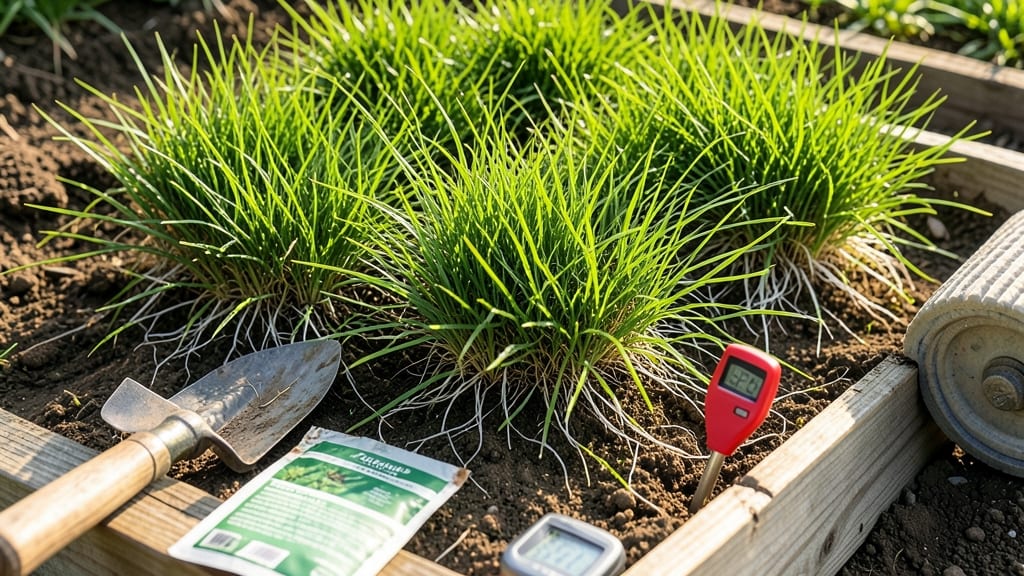
Timing your Bermuda grass seed planting in Texas wrong could mean struggling with weak germination and slow growth—even if you're doing everything else right.
The key to a lush, heat-resistant lawn starts with planting at the perfect moment, when soil temperatures hit that critical 65°F threshold and the last frost has passed for good.
For Texas homeowners in zones 8a-10b, late spring to early summer (April-June) is your golden window. This isn't just about avoiding frost—it's about giving your 🌱 Bermuda grass the best shot at establishing strong roots before summer's brutal heat sets in.
Get this right, and you'll see faster germination and a lawn that thrives through Texas summers.
But here's the catch: not all of Texas is created equal. North Texas has different timing needs than South Texas, and even microclimates within your city can shift the ideal window.
I'll break down exactly when to plant where you live, plus the 3 most common mistakes that derail even the best-laid plans.
Ready to skip the guesswork and plant with confidence? Let's dive into the exact months, soil prep secrets, and watering schedules that'll have your Bermuda grass off to a fast, resilient start—no matter where you are in the Lone Star State.
Best months to plant Bermuda grass seed in Texas for optimal germination
Texas' extreme heat and variable climate make timing critical for Bermuda grass seed success. Planting too early risks frost damage, while waiting too long can stress seedlings in 100°F+ temperatures.
The sweet spot? Late April to early June when soil warms to 65°F+ and days are long but not scorching.
Bermuda grass thrives in Texas' USDA Zones 8a-10b, but regional differences matter. North Texas (e.g., Dallas) can plant slightly earlier (mid-April), while South Texas (e.g., Corpus Christi) should wait until late May to avoid summer's brutal heat.
Always check your last frost date—planting before May 15th in most areas risks cold snaps.
Soil temperature is your best guide. Use a soil thermometer to confirm 65°F+ at 4-inch depth.
In Texas, this typically aligns with late spring when days stretch past 14 hours of sunlight. June planting is ideal for South Texas but risky in North Texas by mid-June due to heat spikes.
Pro tip: Early morning planting (before 10 AM) reduces seed stress. Bermuda grass seeds need moisture and warmth to germinate in 7-14 days. If your area hits 90°F+ consistently, delay until August for a second planting window—just be prepared for slower initial growth.
| Region | Ideal Planting Window | Soil Temp Requirement | Germination Time |
|---|---|---|---|
| North Texas (Dallas, Fort Worth) | Late April - Early May | 65°F+ | 7-10 days |
| Central Texas (Austin, San Antonio) | Mid-April - Late May | 65°F+ | 7-14 days |
| South Texas (Houston, Corpus Christi) | Late May - Early June | 68°F+ | 10-14 days |
| West Texas (El Paso, Lubbock) | Early May - Mid-June | 70°F+ | 10-21 days |
⚠️ Note: Adjust for microclimates—shaded areas may need delayed planting.
Texas' humidity levels also play a role. Coastal areas (e.g., Galveston) benefit from May planting to capitalize on morning dew, while inland areas (e.g., Midland) should aim for June to avoid fungal risks from prolonged moisture. Always monitor weather forecasts for 3-day heat waves—these can halt germination.
For second-season planting, August is your backup. While growth slows in fall, established Bermuda grass will green up by October. Seedlings planted in August may take 3-4 weeks to germinate due to shorter daylight, but they’ll establish stronger roots before winter dormancy.
Key regional exception: East Texas (e.g., Tyler) can plant as early as March in mild winters, but verify soil temps—cold snaps below 50°F can kill young seedlings. Use row covers if planting early in marginal zones.
Remember: Bermuda grass is a warm-season grass, meaning it goes dormant in winter. Planting too late (after July) risks weak establishment before fall frosts. Prioritize early summer for the best balance of heat resilience and growth speed.
For maximum success, pair your planting date with proper soil prep—we’ll cover that in the next section. Test your soil’s pH (aim for 6.0–7.0) and till to 3 inches deep to create the ideal seedbed. Weed control is critical too—Bermuda grass seedlings can’t compete with crabgrass or clover.
How to prepare your Texas lawn for Bermuda grass seed planting success
Preparing your Texas lawn properly before planting Bermuda grass seed is the difference between 70% germination rates and wasted effort. Start by testing your soil pH—Bermuda thrives in a range of 6.0 to 7.0.
If your soil is too acidic or alkaline, amend it with lime or sulfur 4-6 weeks before planting to avoid stressing new seedlings.
Next, clear the area of existing weeds and debris using a non-selective herbicide like glyphosate (follow label instructions). This step is critical because Bermuda grass struggles to compete with weeds during its early growth stages.
Allow the herbicide to break down completely before planting—aim for 2-3 weeks of clear soil before seeding.