
Companion Plants
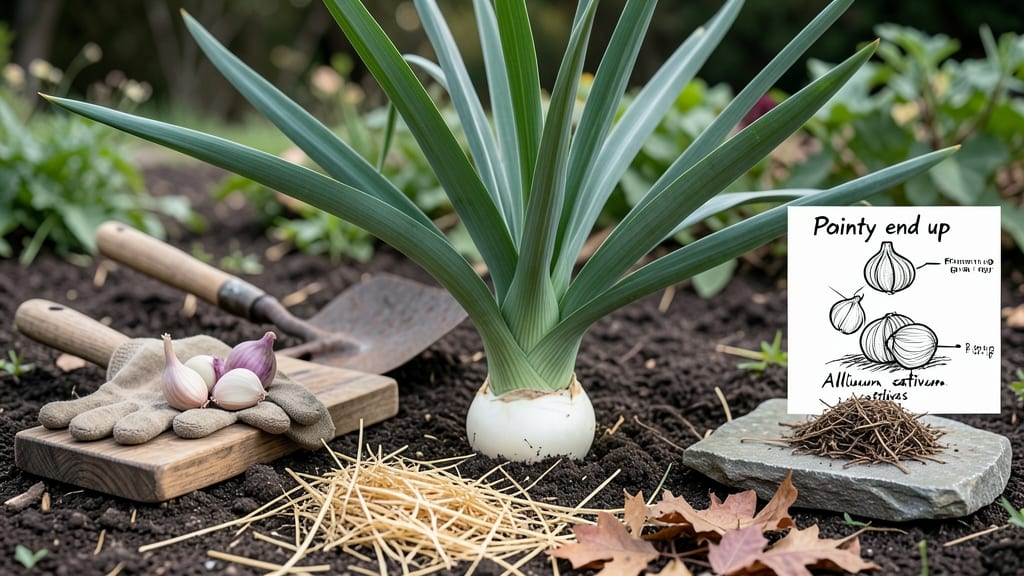
Zone 7 garlic planting calendar: hardneck vs softneck timing differences
In Zone 7, garlic thrives when planted during cool-season windows—but the exact timing differs for hardneck (scape-producing) and softneck (storage-focused) varieties. Hardnecks need 60–70 days of cold to form bulbs, while softnecks tolerate slightly warmer soils.
Missing these windows can lead to bolting (flowering prematurely) or stunted growth, especially in Zone 7’s mild winters.
Most Zone 7 gardeners plant garlic in fall (October–November) for a summer harvest, but early spring (February–March) is also viable. The key is aligning planting with soil temperatures—aim for 40–50°F—and accounting for your local microclimate (e.g., urban heat islands vs. rural areas).
Below, we break down the optimal planting windows, soil temp requirements, and harvest timelines for both types, plus adjustments for Zone 7’s variable frost dates.
🚨 NON-NEGOTIABLE: Use a soil thermometer to confirm readiness—planting too early in warm microclimates (e.g., urban heat islands) can trigger premature sprouting and weak bulbs. For example, in Raleigh, NC, soil temps may hit 50°F by late September, but Asheville’s cooler climate allows planting until mid-November.
Spring: February 1–March 15
Spring: February 15–April 1
Piedmont (e.g., Charlotte): Stick to October 15–November 10
For hardneck garlic, the fall window is critical—planting between October 1 and November 15 ensures bulbs receive enough vernalization (cold exposure) to mature properly.
In Zone 7’s warmer sub-regions, like Greenville, SC, delay until November 1 to avoid premature sprouting. Spring planting (February–March) works but yields smaller bulbs.
Softnecks, like Silverskin, are more forgiving and can handle warmer soils, giving you a 2–3 week longer window in fall (up to December 1) and spring (up to April 1).
However, planting softnecks after March 15 risks heat stress, leading to bolting before harvest. Pro tip: Use shade cloth (30–50%) if planting in late spring to protect from Zone 7’s summer heat.
Moon phases also play a role—planting during a waxing moon (when the moon is growing) is said to boost bulb development. For example, aim for October 12–15 (waxing gibbous) in fall or February 20–23 (waxing crescent) in spring.
While not scientifically proven, many Zone 7 gardeners swear by this method for larger, firmer bulbs.
After planting, mulch heavily (4–6 inches of straw) to insulate cloves from freeze-thaw cycles, a common issue in Zone 7’s unpredictable winters.
In northern Zone 7 (e.g., Roanoke, VA), mulch prevents frost heave, while in southern Zone 7 (e.g., Atlanta, GA), it regulates soil temps to avoid overheating.
Harvest timing
Zone 7 garlic planting calendar: hardneck vs softneck timing differences
In Zone 7, garlic planting success hinges on understanding the 2 distinct varieties—hardneck and softneck—and their cool-weather requirements.
Hardneck varieties like 'Music' or 'German White' thrive when planted in fall (October–November), while softneck types such as 'Artichoke' can stretch into early December or even February–March for spring planting. The key difference? Hardneck garlic needs cold vernalization (40–50°F soil temps) to form bulbs, while softneck is more flexible.
Your Zone 7 microclimate plays a critical role. Coastal areas like Savannah may see milder winters, delaying fall planting until mid-November, while inland regions like Raleigh can plant as early as late October.
Always aim to plant 4–6 weeks before the first frost—typically mid-November in most of Zone 7—to ensure roots establish before winter dormancy.
For spring planting in Zone 7, prioritize early February to avoid heat stress. Hardneck varieties planted after mid-March risk bolting (flowering prematurely), while softneck can handle slightly warmer soils. Pro tip: Use row covers in late winter to protect young shoots from unpredictable frost—common in Zone 7’s transitional seasons.
Moon phase enthusiasts swear by planting garlic during the waning moon (after the full moon) to encourage root growth. While science doesn’t fully back this, many Zone 7 gardeners report larger bulbs when following this tradition.
Pair this with well-draining soil (amend with compost) and 2 inches of mulch to retain moisture and regulate soil temps.
Remember: Zone 7’s frost-free window is roughly 190 days, but garlic’s cool-season needs mean timing is everything. Plant too early, and cloves may rot; too late, and bulbs won’t mature.
Use your local frost dates as a guide—aim for 6–8 weeks of growth before summer heat arrives (typically by mid-June in Zone 7).