
Orchid Care
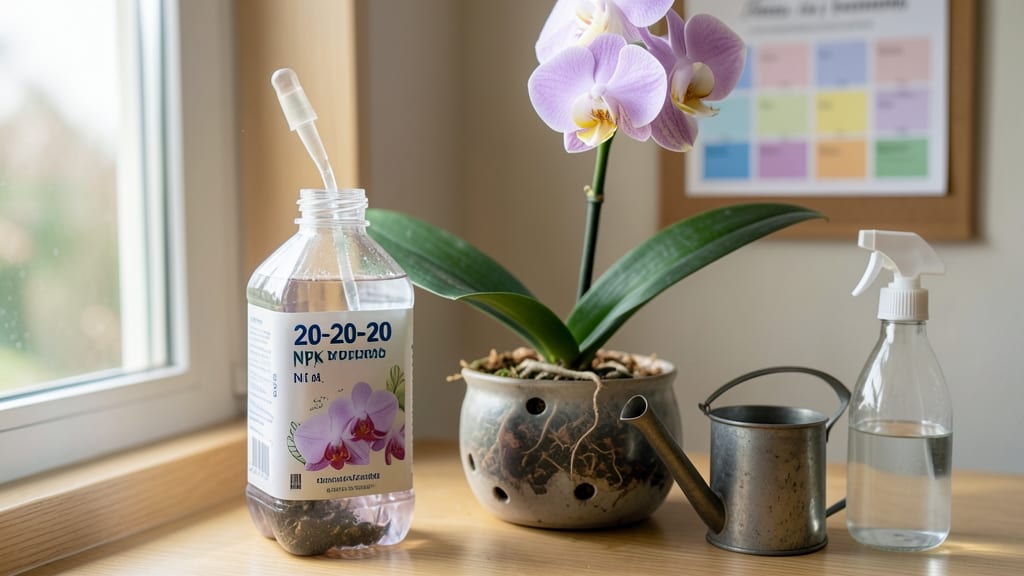
Orchid fertilization schedule by season: what experts recommend for peak growth
Orchids thrive on a seasonal fertilization schedule that mirrors their natural growth cycles. Unlike most houseplants, orchids need nutrients only during active growth—typically spring through early fall—while they rest in winter.
Skipping this rhythm can lead to weak blooms or even root burn, so let’s break down the month-by-month plan experts swear by for lush, long-lasting orchids.
Most orchids enter their growth phase in March, signaling it’s time to resume fertilizing after winter’s pause. Use a balanced 20-20-20 fertilizer (or half-strength) every 2 weeks to fuel new leaves and roots.
In summer’s peak heat, reduce feeding to every 3-4 weeks—orchids slow down when temperatures exceed 85°F, and over-fertilizing can scorch their delicate roots.
Fall is a transition period where orchids prep for blooming. Switch to a bloom-specific fertilizer (higher in phosphorus, like 10-30-20) in September and feed lightly every 4 weeks.
By November, most orchids enter dormancy, so stop fertilizing entirely until March. This winter break mimics their natural rest phase in tropical forests, where cooler temps halt growth.
🌱
| Season | Fertilizer Type | Frequency | Strength | Key Goal |
|---|---|---|---|---|
| Spring (Mar-May) | Balanced 20-20-20 | Every 2 weeks | 1/2 strength | New root/leaf growth |
| Summer (Jun-Aug) | Balanced 10-10-10 | Every 3-4 weeks | 1/4 strength | Support blooming |
| Fall (Sep-Nov) | Bloom formula (10-30-20) | Every 4 weeks | Full strength | Flower bud formation |
| Winter (Dec-Feb) | None | Skip | N/A | Dormancy phase |
Climate zones play a critical role in adjusting this schedule. In USDA Zones 8-10, where orchids can thrive outdoors, extend your feeding window to October—warmer temps delay dormancy.
Conversely, in Zones 6-7, bring orchids indoors by October 1st and pause fertilizing by November 15th to avoid shocking roots during temperature drops.
Pro tip: Fertilize in the morning to prevent salt buildup from evaporating onto roots overnight. Always water your orchid before feeding to flush out excess salts from previous applications. For Phalaenopsis orchids (the most common type), this routine yields 3-4 blooms per stem—double what you’d get with random feeding!
If your orchid blooms in winter (like Cattleya or Dendrobium), adjust by feeding lightly with a high-phosphorus formula every 6 weeks from September through January. These varieties break dormancy earlier, so match their unique cycle instead of following the standard timeline.
🌿
One common mistake is fertilizing newly repotted orchids—wait 4-6 weeks post-repotting to let roots recover. Also, avoid fertilizing when your orchid is actively blooming; the energy should go to supporting flowers, not new growth. Instead, resume light feeding after blooms fade to prep for the next cycle.
For organic growers, switch to fish emulsion (1-2-2 ratio) or worm castings in spring, then use compost tea in summer. These options mimic natural nutrient cycles and reduce salt buildup risks. Just dilute organics twice as much as synthetic fertilizers to avoid overfeeding.
Signs your orchid needs fertilizer (and when to skip it)
Your orchid’s leaves and roots whisper clues about their nutritional needs. Yellowing leaves or slow growth are classic signs it’s time to fertilize, while brown tips or root rot mean you’ve overdone it. Pay attention to these subtle signals—your orchid’s health depends on it!
Start by checking your orchid’s roots—healthy ones are green or silver, while black or mushy roots scream "fertilizer overload!" If you spot fewer blooms than usual or stunted growth, it’s likely craving nutrients. But if the leaves turn crispy or the roots shrivel, you’ve pushed too hard.
🌱
When to Fertilize Your Orchid
- New growth appears (spring/summer)
- Roots look healthy (green/silver)
- Blooms are sparse or absent
- Leaves show pale yellowing
- Roots are black/mushy (overload)
- Leaves turn brown/crispy
- Dormant (winter months)
- Newly repotted (wait 4-6 weeks)
After repotting, give your orchid a 4-6 week break before fertilizing—its root system needs time to recover. Also, skip feeding during winter dormancy (December-February), when most orchids rest. Instead, focus on watering lightly and keeping them cool.
If your orchid is blooming, switch to a low-phosphorus fertilizer (like 10-10-10) to prolong flowers. But if you notice buds dropping or leaves curling, cut back on feeding immediately. Orchids are sensitive—balance is key!
Pro tip: Use a diluted fertilizer (half-strength) to avoid shocking your orchid. Always water before fertilizing to prevent root burn. Think of it like a spa day—gentle care keeps them thriving!
🌿