
How To
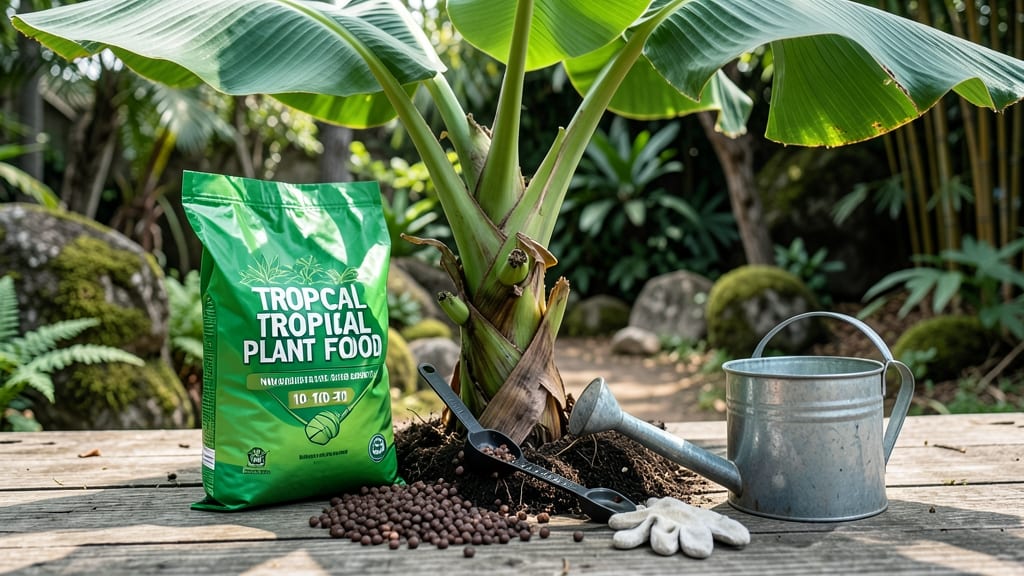
Best months to fertilize banana trees for optimal growth and fruit production
Fertilizing your banana tree at the right time is the key to unlocking its full potential. Unlike many plants, banana trees thrive when fed during active growth phases, which aligns with warmer months.
The spring and fall are prime times for fertilization, but young trees and fruiting stages require special attention. Understanding these seasonal windows ensures your plant absorbs nutrients efficiently, leading to larger fruit and faster growth.
In tropical climates (USDA Zones 10-12), banana trees grow year-round, but they still follow seasonal patterns. For indoor plants or those in cooler regions, focus on fertilizing during the active growing months (typically March through October).
The goal is to match fertilization with your tree’s natural growth cycles, avoiding dormancy periods when roots become less active.
🌱 Key Takeaway: Banana trees need balanced nutrients (NPK ratio like 10-10-10 or 6-6-6) during spring and fall, with lighter feeding in summer to prevent overloading. Young trees (under 2 years) benefit from frequent, lighter feeds, while mature trees can handle heavier applications every 6-8 weeks.
🍌 Banana Tree Fertilization Schedule by Season
| Season | Young Trees (<2 yrs) | Mature Trees (2+ yrs) | Key Focus |
|---|---|---|---|
| Spring (March-May) | Feed every 4 weeks | Feed every 6 weeks | New leaf growth, root development |
| Summer (June-August) | Light feed every 6 weeks | Light feed every 8 weeks | Maintain fruit production, avoid overloading |
| Fall (September-November) | Feed every 6 weeks | Feed every 6-8 weeks | Prepare for flowering, store nutrients |
| Winter (December-February) | No fertilizer | No fertilizer | Dormancy period, avoid stress |
For outdoor banana trees in tropical climates, fertilization can extend slightly into late fall to support late-season growth. However, if your tree is indoor or in a cooler zone, halt fertilizing by November to allow the plant to rest.
Resume feeding in early spring (March) as new leaves emerge—a clear sign your tree is ready for nutrients.
Timing also matters around flowering and fruiting stages. When you spot the banana flower (a dramatic, foot-long bloom), switch to a high-potassium fertilizer (like 10-10-20) to support fruit development.
Apply this 2-3 times during the fruiting cycle, spaced 4-6 weeks apart. This ensures your bananas grow sweet and plump rather than small and fibrous.
One common mistake is fertilizing too late in the season, which can lead to weak new growth that won’t harden off before winter. Always stop feeding 6-8 weeks before the first frost (if applicable) to allow your tree to prepare for dormancy.
For indoor plants, reduce feeding in winter months since growth slows naturally due to lower light levels.
Pro tip: Test your soil before fertilizing in spring. Banana trees prefer slightly acidic to neutral soil (pH 6.0-7.5). If your soil is too alkaline, nutrients like iron and manganese become unavailable, even if you’re fertilizing regularly.
Adjust pH with sulfur or peat moss before applying fertilizer for best results.
Finally, young banana trees (under 2 years old) need more frequent but lighter feeds. Use half the recommended dose every 4 weeks during spring and fall. This mimics natural nutrient availability in their early growth stages and prevents root burn from over-fertilization.
Patience pays off—well-fed young trees develop stronger trunks and larger leaves, setting the stage for bigger yields later.
Best months to fertilize banana trees for optimal growth and fruit production
Fertilizing your banana tree at the right time is like giving it a turbo boost—just don’t hit the gas too early or too late! The best months to fertilize depend on your tree’s growth stage and whether it’s indoor or outdoor.
For outdoor banana trees in warm climates, focus on spring and summer when active growth peaks.
Young banana trees need frequent feeding to establish strong roots, while mature trees benefit from targeted fertilizing before flowering and fruiting. In temperate zones, indoor banana trees can be fertilized year-round but should slow down in winter months when growth naturally slows.
For indoor banana trees, you can fertilize year-round but reduce frequency in winter. The key is to match fertilization with your tree’s active growth periods. If you notice new leaves emerging, that’s your cue to feed!
Timing matters because banana trees absorb nutrients best during active growth. Fertilizing in late summer can encourage weak, late-season growth that won’t harden off before winter. Always use a balanced fertilizer (like 10-10-10) or one high in potassium to support fruiting.
Pro tip: Apply fertilizer in the early morning when the soil is moist. This helps prevent root burn and ensures nutrients are absorbed efficiently. Water thoroughly after applying to help distribute the fertilizer evenly.
If your banana tree is flowering, switch to a high-potassium fertilizer to boost fruit development. Just remember: less is more—over-fertilizing can damage roots and lead to leaf burn or stunted growth. 🍌