
How To
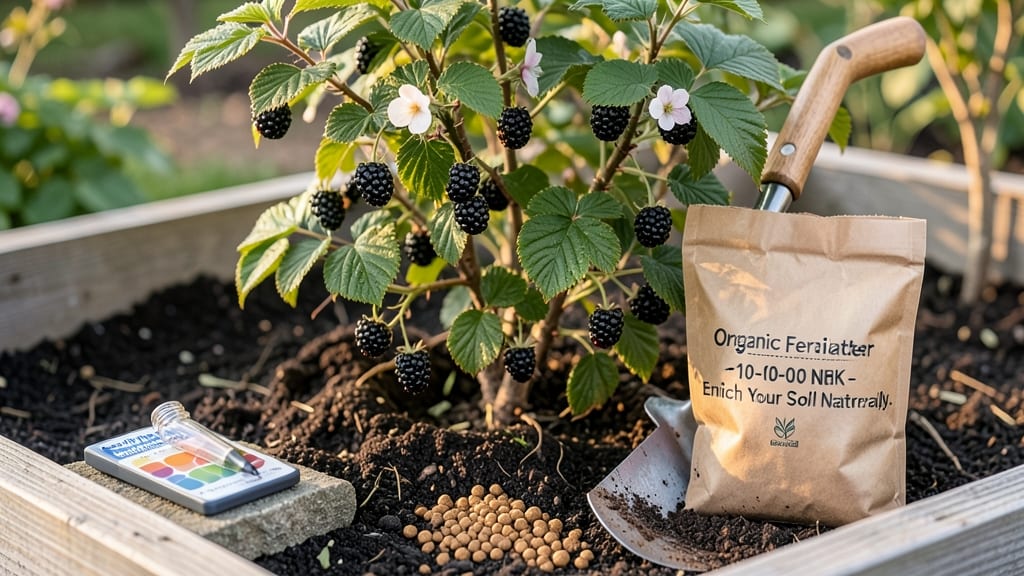
Optimal spring fertilization schedule for black raspberry canes
Spring is the critical window for jumpstarting your black raspberry canes. Fertilizing too early or too late can throw off their growth cycle, leading to weak canes and poor fruit production. The goal? Boost root development and cane strength before flowering—not after. Here’s how to time it perfectly.
Black raspberries thrive with a balanced fertilizer (like 10-10-10 NPK) applied in early spring, right after the last frost. But timing isn’t one-size-fits-all—soil temperature and plant dormancy matter.
For most USDA Zone 6a growers (like me!), that’s late March to early April. If you’re in a warmer zone, wait until soil warms to 50°F (10°C).
Before you grab that bag of fertilizer, test your soil. Black raspberries prefer a slightly acidic pH (6.0–6.5). If your soil is off, amend it with sulfur or lime first—fertilizer won’t help if the pH is wrong.
I always send a sample to my local extension office for a full report.
Organic vs. synthetic? Both work, but organic options (like compost, worm castings, or fish emulsion) release nutrients slowly, reducing burn risk. Synthetic fertilizers (like 10-10-10 granules) give an immediate boost but require precise application. I split my approach: half organic, half synthetic for the best of both worlds.
Here’s the step-by-step spring schedule I follow for my black raspberries:
| Stage | Action | Frequency | Notes |
|---|---|---|---|
| Planting (Fall or Early Spring) | Apply 1/4 cup compost or low-N fertilizer | Once | Encourages root establishment |
| Early Spring (After Last Frost) | Broadcast 10-10-10 granules (1/4 cup per plant) | Once | Kickstarts cane growth |
| Late Spring (Bud Swell) | Side-dress with fish emulsion or compost tea | Once | Supports flowering |
Pro tip: Water deeply before and after fertilizing to help nutrients reach the roots. I use a soaker hose to avoid wetting the leaves, which can cause fungal issues. Also, mulch around the base with straw or wood chips to retain moisture and regulate soil temperature.
Watch for new leaf growth after fertilizing—it’s your cue that the plant is absorbing nutrients. If leaves turn yellow or wilt, you’ve overdone it. Cut back on fertilizer and focus on watering and pruning instead. Black raspberries are forgiving, but they’ll let you know when something’s off!
One more thing: avoid high-nitrogen fertilizers in spring. Too much nitrogen = lush foliage but fewer berries. Stick to a balanced ratio (like 10-10-10) to ensure strong canes and sweet fruit. My plants reward me with heavy yields when I follow this schedule religiously.
🌱
Optimal spring fertilization schedule for black raspberry canes
Spring is the most critical time to fertilize black raspberries, as it kickstarts root growth and cane development. Without proper nutrients, your plants may produce weak canes or few berries. The key is timing—apply fertilizer after dormancy but before flowering to avoid disrupting fruit set.
Start by testing your soil pH (ideal range: 5.5–6.5). Black raspberries thrive in slightly acidic soil, and a test helps determine if you need to adjust pH before fertilizing. If your soil is too alkaline, amend it with sulfur or peat moss before applying fertilizer.
| Stage | Task | Frequency | Fertilizer Type |
|---|---|---|---|
| Early Spring (March) | Apply balanced 10-10-10 fertilizer | Once | Synthetic or organic |
| Late Spring (April) | Light feed with high-nitrogen (e.g., 20-5-5) | Once | Synthetic or compost |
| Pre-Flowering (May) | Side-dress with compost or aged manure | Every 4-6 weeks | Organic only |
For organic options, use composted manure or worm castings in early spring. These release nutrients slowly, reducing the risk of burning roots. If you prefer synthetic fertilizers, opt for a balanced 10-10-10 formula in March, followed by a high-nitrogen boost in April to encourage leafy growth.
Always apply fertilizer in the early morning to avoid leaf burn from heat. Water thoroughly after application to help nutrients penetrate the soil. Avoid fertilizing if rain is forecasted within 24 hours, as it can wash away essential nutrients.
Monitor your plants for signs of over-fertilization, such as yellowing leaves or stunted growth. If you notice these symptoms, flush the soil with water and reduce future applications. The goal is to support strong cane development, not force rapid growth at the expense of plant health.
🌱 By following this schedule, your black raspberries will enter the growing season with the nutrients they need for vigorous canes and a bountiful harvest.