
How To
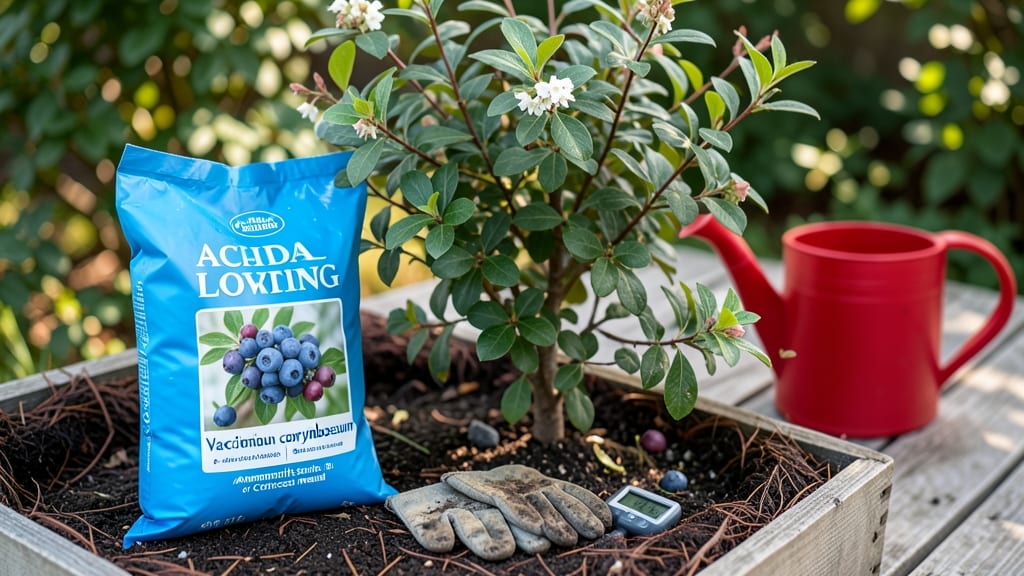
Best times to fertilize blueberry bushes by season (with soil pH considerations)
Blueberries are acid-loving shrubs that demand precise fertilization timing to produce sweet, plump berries. Unlike many plants, they thrive on low pH soil (4.5–5.5) and need nutrients at specific growth stages. Fertilizing at the wrong time can cause burned roots or poor fruit set, so timing matters more than quantity.
I’ve learned from years of growing blueberries that the two critical fertilization windows are early spring and late spring—never summer or fall. This schedule aligns with their natural growth cycle: root development in spring and fruit production in summer.
Let’s break down the exact months, fertilizer types, and soil pH checks you need.
🌱 Did You Know? Blueberries absorb 90% of their nutrients during the first 6 weeks of spring. Missing this window means smaller berries or fewer flowers next year.
| Season | Best Time | Fertilizer Type | Soil pH Check | Key Goal |
|---|---|---|---|---|
| Early Spring | March–April (before bud break) | Acidic fertilizer (8-3-9 or cottonseed meal) | Test pH; aim for 4.5–5.5 | Stimulate root growth |
| Late Spring | May–June (after flowering) | Light feed (½ strength) | Re-test pH if needed | Support fruit development |
| Summer | Skip (unless leaves show deficiency) | None (risk of over-fertilization) | Monitor pH stability | Avoid new growth stress |
| Fall/Winter | Skip (dormant period) | None | Natural pH adjustment | Prepare for next season |
For newly planted blueberries, hold off on fertilization for the first 6–12 months—they rely on stored energy from their roots. Instead, focus on mulching with pine needles (to lower pH naturally) and watering deeply every 2–3 days. Once established, follow the seasonal schedule above.
If your soil pH drifts above 6.0, blueberries struggle to absorb nutrients like iron and manganese, leading to yellow leaves (chlorosis). Use sulfur or peat moss to acidify soil gradually. I test my pH every spring and fall—it’s the secret to consistent harvests.
Pro tip: Water before fertilizing to prevent root burn. Apply fertilizer in the early morning when temperatures are cool, and avoid granular fertilizers near the stem. For organic options, cottonseed meal is my top pick—it’s slow-release and boosts soil acidity over time.
In warmer climates (Zones 8–10), blueberries may have a second flush of growth in late summer. If you see new leaves forming, a very light feed (¼ strength) can help, but only if your pH is perfect. Otherwise, skip it—over-fertilizing here can delay dormancy and harm winter hardiness.
Remember: Less is more with blueberries. I’ve seen gardeners double their fertilizer amounts for bigger berries, but it backfires with bitter-tasting fruit and weak stems. Stick to the schedule, and your bushes will reward you with juicy, sweet berries for years.
🫐 Your Turn: When was the last time you fertilized your blueberries? Share your tips in the comments!
Best times to fertilize blueberry bushes by season (with soil pH considerations)
Timing your blueberry fertilization correctly is the secret to lush foliage and high-yield fruit production. Since blueberries thrive in acidic soil (pH 4.5-5.5), their nutrient needs differ from most plants.
The wrong timing can lead to burned roots or poor fruit development, so let’s break it down by season.
Your first fertilization should happen in early spring, right as buds begin to swell but before leaves emerge. This kickstarts growth after winter dormancy. A second, lighter feeding in late spring supports flowering and fruit set. Summer applications are optional but critical if your soil tests low in nutrients.
| Season | Fertilization Timing | Soil pH Check | Fertilizer Type |
|---|---|---|---|
| Early Spring | Bud break (March-April) | Test pH before fertilizing | Acid-loving (8-3-9 or compost) |
| Late Spring | After flowering (May-June) | Maintain 4.5-5.5 pH | Light feed (½ strength) |
| Summer | Mid-July (if needed) | Check for yellowing leaves | Organic (fish emulsion) |
| Fall/Winter | None (dormancy) | Test pH annually | None |
For newly planted blueberries, hold off on fertilization until the first growing season. Young plants need time to establish roots before heavy feeding. Use a slow-release fertilizer in spring to avoid burning tender roots.
Established bushes, however, benefit from a balanced NPK fertilizer (like 10-10-10) or an acid-loving blend (8-3-9) to prevent nutrient deficiencies.
Regional climates matter too! In warmer zones (USDA 8+), fertilize slightly earlier (February-March). In colder zones (USDA 5-6), wait until after the last frost. Always water deeply after applying fertilizer to help nutrients reach the roots.
Monitor your bushes closely after fertilizing. Yellow leaves or stunted growth may signal over-fertilization or incorrect pH. Adjust your schedule based on your plant’s response—consistency is key to a thriving blueberry harvest. 🌱