
Fertilization
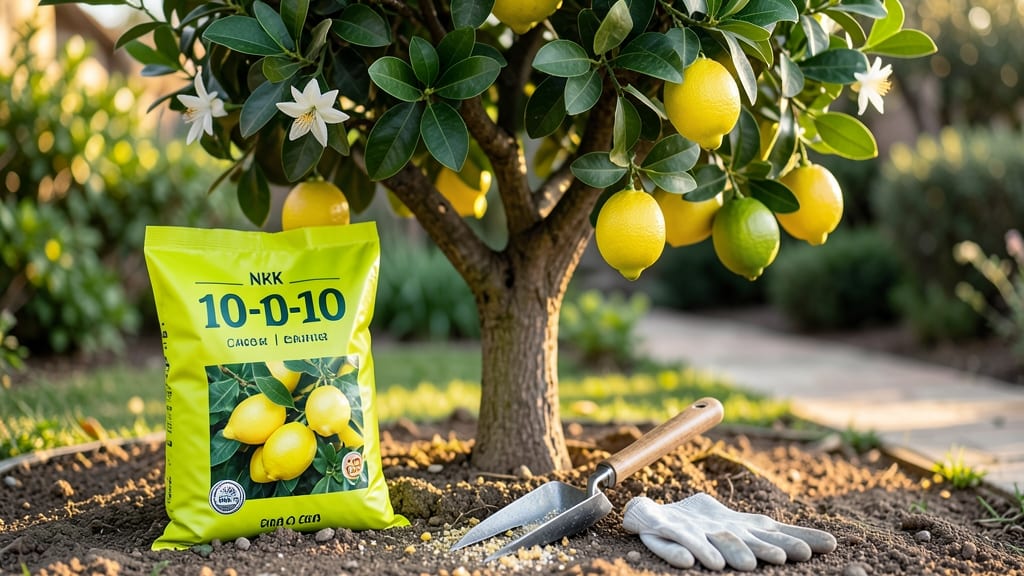
Timing your citrus fertilization in Arizona isn’t just about throwing down fertilizer—it’s about working with the desert’s unique rhythm to keep your 🍊 trees thriving year-round. The right schedule can mean the difference between vibrant, fruit-bearing trees and struggling plants that barely survive the heat.
Most gardeners in zones 9a-11 make one critical mistake: fertilizing at the wrong time, which stresses trees instead of nourishing them.
If you’ve ever wondered why your citrus looks healthy in spring but fades by summer, the answer likely lies in your fertilization routine. Arizona’s climate demands a seasonal approach—not just a one-size-fits-all strategy.
I’ll break down the three key windows to feed your trees, so you can avoid overdoing it in the scorching summers or missing opportunities in the milder months.
Let’s cut through the guesswork. You’ll learn exactly when to feed your trees—whether you’re dealing with young saplings or mature citrus—plus how to adjust for Arizona’s microclimates, from the low desert’s intense sun to coastal areas with slightly cooler breezes. Ready to give your citrus the care it deserves?
By the end, you’ll know not just when to fertilize, but how much and what type to use—so your trees stay lush, productive, and resilient against the desert’s challenges. Let’s get started.

Citrus fertilization schedule in Arizona: month-by-month guide
Arizona’s unique microclimates and year-round growing season mean citrus trees need fertilization timing tailored to avoid stress during extreme heat.
The three key feeding windows—spring, summer, and fall—align with your tree’s natural growth cycles. Young trees (under 3 years) require more frequent feeding, while mature citrus benefit from a lighter, more strategic approach.
Spring is your primary fertilization window because citrus trees wake up from dormancy and need nutrients to produce flowers and fruit. In Arizona, this starts in February and continues through April.
Summer is a no-fertilizer zone due to scorching temperatures, while fall offers a second chance to support root growth before winter. Let’s break down the exact months and what to feed your trees.
| Season | Months | Fertilizer Type | Frequency | Key Notes |
|---|---|---|---|---|
| Spring | February–April | Citrus-specific 6-6-6 or 8-3-9 | Every 4–6 weeks | Encourages flowering/fruit set; avoid nitrogen-heavy blends. |
| Summer | May–August | None (skip) | — | Extreme heat stresses roots; focus on watering. |
| Fall | September–October | Slow-release organic or half-strength granular | Once in October | Supports root growth before winter dormancy. |
| Winter | November–January | Minimal (optional micronutrients) | Once if needed | Avoid heavy feeding; monitor for nutrient deficiencies. |
In February, kick off the season with a balanced citrus fertilizer (like 6-6-6) to jumpstart growth.
Apply it 2–3 inches from the trunk and water deeply afterward to activate nutrients. March and April are critical for flowering, so repeat every 4–6 weeks—but switch to a lower-nitrogen blend (like 8-3-9) to prevent excessive leafy growth at the expense of fruit.
Arizona’s summer months (May–August) demand a fertilizer hiatus. The intense heat can burn roots and cause nutrient runoff, especially in alkaline Arizona soil. Instead, focus on deep watering every 2–3 days and mulching with straw to retain moisture.
If you notice yellowing leaves, it’s likely a watering issue, not a nutrient deficiency.
Fall fertilization in September–October is your second chance to prep trees for winter. Use a slow-release organic fertilizer or halve the dose of granular blends to avoid overstimulating new growth.
This timing helps roots absorb nutrients before dormancy, setting the stage for next year’s harvest. Dwarf varieties like Calamondin oranges need half the amount of standard trees.
Winter (November–January) is the lowest-maintenance period. Most citrus trees enter dormancy, so skip heavy feeding.
However, if you spot pale leaves or stunted growth, a light application of micronutrients (like iron or zinc) can help. Potted citrus may need a monthly weak feed since they dry out faster, but always water first to avoid salt buildup.
Pro tip: Test your soil’s pH before fertilizing—Arizona’s soil is often alkaline (7.5–8.5), which locks out nutrients like iron and zinc.
If your tree shows yellow leaves with green veins, it’s a classic sign of iron chlorosis, and you’ll need to lower pH with sulfur or use a chelated iron fertilizer.
For young citrus trees (under 3 years), double the spring feeding frequency to every 3–4 weeks and use a higher-phosphorus blend (like 6-12-6) to encourage root development. Mature trees (5+ years) can handle every 6–8 weeks in spring and a single fall feed.
Always water before and after fertilizing to protect roots from
Citrus fertilization schedule in Arizona: month-by-month guide
Arizona’s citrus trees thrive year-round, but their fertilization needs shift dramatically with the seasons. Unlike temperate climates, spring and fall are your prime feeding windows—while summer’s scorching heat demands a complete pause. Understanding this rhythm ensures your lemon, orange, or grapefruit trees grow strong without stress.
Most gardeners make one critical mistake: fertilizing during peak summer heat. This causes root burn and nutrient uptake failure. Instead, focus on early spring (February-March) when new growth begins, and late fall (October-November) to prepare roots for winter.
Young trees need more frequent feeding than mature ones, so adjust accordingly.
| Season | Fertilization Window | Frequency | NPK Ratio | Notes |
|---|---|---|---|---|
| Spring | February-March | Every 4-6 weeks | 6-6-6 or 8-3-9 | Encourages flowering |
| Summer | June-August | None | — | Avoid stressing roots |
| Fall | October-November | Light feeding | 3-4-6 | Supports root growth |
| Winter | December-January | Minimal | 2-3-4 | Focus on watering |
For young citrus trees (under 3 years old), start with a half-strength fertilizer in February, then repeat every 6 weeks until June. Mature trees can handle full-strength applications but still need summer breaks. Always water deeply before and after fertilizing to prevent root damage.
Watch for yellowing leaves or stunted growth—these are signs your tree needs nutrients. In Arizona’s alkaline soil, a soil test (available at local Cooperative Extension offices) can reveal if you need to adjust pH before fertilizing. Lime or sulfur amendments may be necessary for optimal nutrient uptake.
Organic options like citrus-specific compost or fish emulsion work well in spring, while slow-release granules reduce summer stress. Avoid synthetic fertilizers with high nitrogen during hot months—they can burn roots and attract pests like aphids.
Timing isn’t just about months—it’s about tree signals. When buds form in spring or new leaves emerge, that’s your cue to feed. In fall, focus on root health rather than fruit production. With this schedule, your Arizona citrus will reward you with sweet, abundant harvests year after year. 🍊