
How To
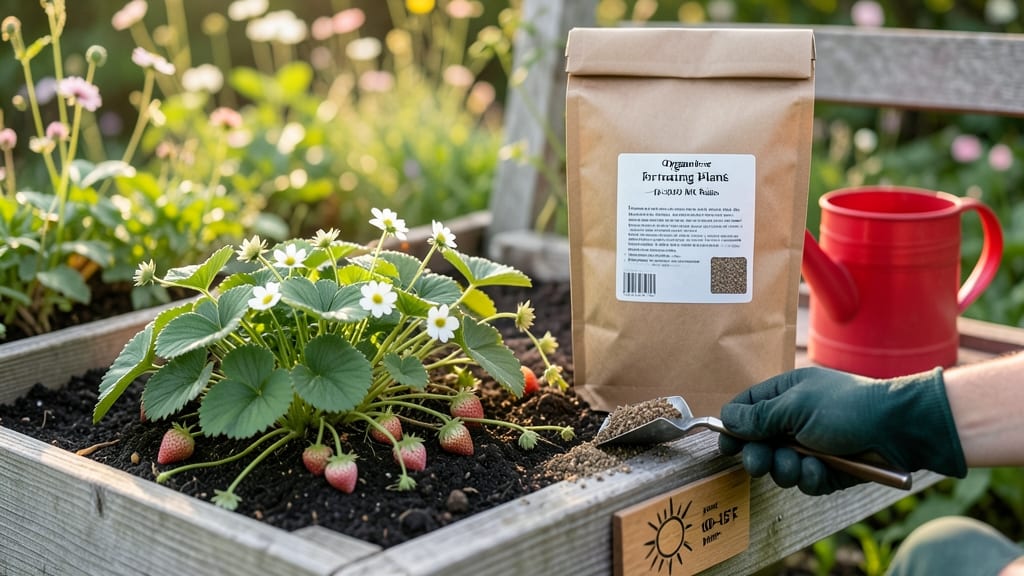
Timing your fertilizer for June-bearing strawberries 🍓 could mean the difference between a meager harvest and a bountiful one—yet most gardeners get it wrong. The key isn’t just when you fertilize, but how it aligns with your plants’ natural growth cycles, from early spring blooms to post-harvest recovery.
If you’ve ever wondered why your strawberries taste bland or produce fewer berries than expected, the answer might be in your fertilizer schedule. June-bearing varieties are highly sensitive to nutrient timing, and missing the right windows can leave your plants struggling.
I’ll walk you through the three critical times to fertilize—plus how to spot over- or under-feeding before it’s too late.
Let’s start with the most common mistake: overdoing nitrogen before flowering. Too much too soon can delay fruiting, while skipping post-harvest feeding weakens next year’s crop.
You’ll learn which fertilizers work best at each stage—whether you prefer organic compost or balanced synthetic blends—and how to adjust for your USDA Zone 6a climate.
By the end, you’ll have a clear, actionable plan to feed your strawberries exactly when they need it, ensuring sweeter berries, stronger plants, and fewer wasted nutrients. Ready to turn your patch into a productivity powerhouse?

3 Critical fertilizer timing stages for June-bearing strawberries
June-bearing strawberries thrive when you fertilize them at the right times—too early or too late, and you’ll miss the window for peak production. The key is aligning your fertilizer schedule with the plant’s natural growth cycle: root development, flowering, and fruit production.
Think of it like a three-act play: Act 1 sets the stage, Act 2 builds energy, and Act 3 ensures a stellar finale.
Most gardeners overlook the first act—pre-planting fertilization—but this is where you build a strong foundation.
Without it, your strawberries will struggle to establish roots, leading to weak plants and poor yields. Organic compost or balanced fertilizer applied 4-6 weeks before planting (late summer/early fall or early spring) gives your berries the jumpstart they need.
Here’s the science-backed breakdown of when to fertilize for maximum impact:
-
1. Pre-Planting (Late Summer/Early Spring)
Apply compost or balanced 10-10-10 fertilizer 4-6 weeks before planting to boost soil fertility and root growth. This is your "soil prep" act.
-
2. Early Spring (Before Flowering)
Switch to a low-nitrogen fertilizer (5-10-10) when plants break dormancy. This shift encourages flowering and fruiting instead of leafy growth.
-
3. Post-Harvest (July-August)
After your June harvest, feed plants with potassium-rich fertilizer (0-0-50) to replenish energy for next year’s crown and runner production.
Timing is everything with June-bearing strawberries because they produce one massive harvest window—usually in June—followed by a long dormancy period. If you fertilize too late in the season, you’ll encourage new growth that won’t harden off before winter, leading to frost damage.
Conversely, fertilizing too early can result in excessive leafy growth at the expense of fruit production.
For organic gardeners, I recommend using composted manure or fish emulsion during the pre-planting stage, then switching to kelp meal or bone meal for flowering. Synthetic fertilizers like 10-10-10 or 5-10-10 work well for conventional gardeners, but always follow package instructions for application rates.
Over-fertilizing—especially with nitrogen—is a common mistake that leads to bitter-tasting berries and weak plants.
Pro tip: Always fertilize in the early morning when temperatures are cooler. This reduces the risk of leaf burn and ensures nutrients are absorbed efficiently. Water your plants thoroughly after applying fertilizer to help distribute nutrients into the soil.
One mistake I see often is skipping the post-harvest fertilization. Many gardeners assume the plant’s work is done after June, but this is actually when you should replenish nutrients for next year’s crown and runner development.
A light application of potassium sulfate or wood ash can work wonders for preparing your strawberries for dormancy.
Remember, June-bearing strawberries are perennial plants, meaning they’ll produce fruit for multiple years if cared for properly. By following this three-stage fertilization schedule, you’ll ensure strong root systems, abundant flowering, and sweet, juicy berries year after year. The key is consistency—don’t skip any of these critical stages!
3 Critical fertilizer timing stages for June-bearing strawberries
Timing your fertilizer applications for June-bearing strawberries isn’t just about throwing food at the plants—it’s about feeding them exactly when they need it most. These berries have a short, intense fruiting window, so missing key fertilization stages can mean fewer berries or poor quality.
The secret lies in three critical timing stages: pre-planting, early spring, and post-harvest. Each stage targets a different growth phase to ensure strong roots, vibrant flowers, and sweet fruit.
First, let’s tackle the pre-planting stage. This is where you set the foundation. Before planting your strawberries in late summer or early spring, enrich the soil with compost or balanced organic matter.
This step ensures your plants have the nutrients they’ll need to establish roots and prepare for next year’s growth. Think of it as giving your strawberries a nutrient head start before they even sprout.
Enrich soil with compost or balanced fertilizer (10-10-10). Aim for 2-3 weeks before planting to allow nutrients to integrate.
Apply a low-nitrogen fertilizer (5-10-10) when new leaves emerge. This promotes flowering and fruit development.
Use a high-potassium fertilizer (e.g., 5-10-15) to replenish nutrients and prepare plants for next year’s growth.
Next up is early spring fertilization, which happens just as your strawberries wake up from dormancy. This is when you switch to a low-nitrogen, high-phosphorus fertilizer (like 5-10-10) to encourage flowering. Too much nitrogen now can lead to lush foliage but fewer berries.
Time this application perfectly—right when you see new leaves unfurling—and you’ll set the stage for a bountiful harvest.
Finally, don’t skip the post-harvest stage. After your June-bearing strawberries finish fruiting, they’re already thinking about next year. A high-potassium fertilizer (such as 5-10-15) helps replenish nutrients lost during fruit production.
This step is crucial for root health and ensures your plants store enough energy to survive winter and rebound strongly in spring. Think of it as giving your strawberries a nutrient boost for next season.
One common mistake I see is over-fertilizing during the fruiting stage. Too much nitrogen now can lead to bitter-tasting berries or even blossom end rot.
Instead, focus on balanced fertilization throughout the growing season. And always water deeply after applying fertilizer to help nutrients reach the roots without burning the plants.
For organic gardeners, consider using compost tea, fish emulsion, or bone meal during these stages. These options provide nutrients in a form that’s easier for plants to absorb and won’t disrupt the soil ecosystem.
Synthetic fertilizers work too, but they require more precise timing and monitoring to avoid nutrient imbalances.