
How To
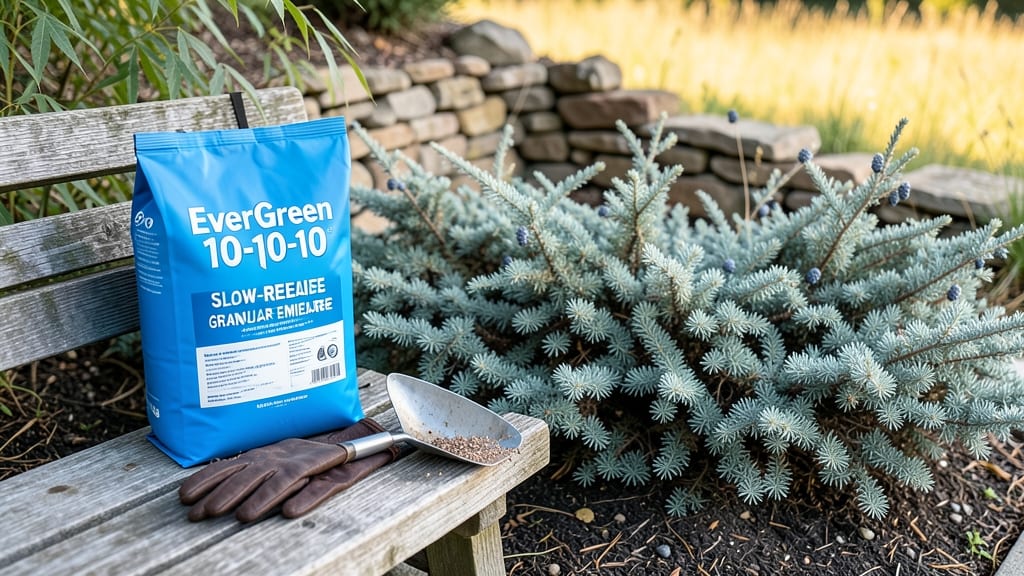
Knowing when to fertilize junipers can transform your yard from a patchy, struggling landscape to a vibrant, lush display of 🌲 beauty. These evergreens are tough, but even resilient plants need the right timing to thrive—and skipping or overdoing fertilizer can backfire fast.
Most gardeners assume junipers don’t need much attention, but the truth is, a little help at the right moment makes all the difference. Early spring and late fall are your best windows, when soil is warm enough for roots to absorb nutrients without burning.
Whether you’re dealing with creeping varieties or towering shrubs, this simple schedule keeps them healthy without the guesswork.
I’ve seen firsthand how a single misstep—like fertilizing in summer—can leave junipers stressed and stunted. The key is understanding their natural rhythm: feeding them just as they wake up in spring or prepare for dormancy in fall.
Let’s break down the exact steps to avoid overdoing it and get the most out of every application.
You’ll discover which fertilizers work best (organic vs. synthetic), how often to feed them, and even how to spot when they’re telling you to back off. By the end, your junipers will be the envy of the neighborhood—no yellowing needles or sparse growth in sight.

Best times to fertilize junipers: spring vs. fall schedule
Junipers are tough, drought-resistant plants, but they still need nutrients to stay vibrant. The key to fertilizing them correctly lies in timing. Unlike fast-growing plants, junipers thrive with light, infrequent feeding—typically just once or twice a year.
Fertilizing at the wrong time can cause burned roots or wasted nutrients. Let’s break down the best windows for feeding your junipers to keep them healthy without overdoing it.
Most gardeners agree that early spring is the ideal time to fertilize junipers. This timing aligns with their natural growth cycle, giving them a nutrient boost as they prepare to sprout new needles. However, if you live in a warmer climate, late fall can also work.
The goal is to fertilize when the soil is warm but not scorching—typically between 40°F and 60°F—to encourage root uptake without stressing the plant.
Here’s how climate zones affect your fertilization schedule:
| Season | Best Time | Soil Temp | Climate Zones |
|---|---|---|---|
| Spring | Early spring (March-April) | 40°F-60°F | Zones 3-8 |
| Fall | Late fall (September-October) | 50°F-65°F | Zones 7-10 |
| Summer/Winter | Avoid | N/A | All zones |
For cooler climates (Zones 3-6), stick to early spring fertilization. The soil warms up gradually, giving your junipers time to absorb nutrients before summer heat sets in.
In warmer zones (7-10), late fall fertilization works because the plant is still active but preparing for dormancy. This prevents nutrient buildup that could harm roots during winter.
If you’re unsure about your climate zone, check the USDA Plant Hardiness Zone Map. Most junipers thrive in Zones 3-9, but timing adjustments are key.
For example, in Zone 5, fertilize in late April to avoid late frosts. In Zone 8, late September works best to avoid summer heat stress.
Newly planted junipers (first year) need no fertilization. Their roots are still establishing, and extra nutrients can cause root burn. Wait until the second spring to introduce fertilizer. Even then, use only half the recommended dose to avoid shocking the plant.
When fertilizing junipers, always choose a slow-release, balanced fertilizer with an NPK ratio of 10-10-10 or 5-10-10. This ensures steady nutrient release without overloading the plant. Apply it evenly around the root zone, keeping it 6 inches away from the trunk to prevent damage.
Water thoroughly after application to help nutrients penetrate the soil.
Skip fertilizing in summer or winter. Summer heat can burn roots, while winter dormancy means your juniper isn’t absorbing nutrients anyway. Instead, focus on watering deeply but infrequently to support root growth during these seasons.
Over-fertilizing in summer can also attract pests like spider mites, which thrive on stressed junipers.
Pro tip: If your junipers look healthy and green, they likely don’t need fertilizer. Junipers are low-maintenance plants that often thrive with minimal intervention. Only fertilize if you notice yellowing needles, stunted growth, or sparse foliage, which are signs of nutrient deficiency.
Always err on the side of caution—less is more with junipers!
Best times to fertilize junipers: spring vs. fall schedule
Junipers are drought-tolerant and low-maintenance, but they still benefit from the right nutrients at the right time. The best times to fertilize junipers are early spring and late fall, when the plant is actively growing or preparing for dormancy.
Fertilizing at these times ensures your junipers get the nutrients they need without risking root burn or over-fertilization during hot summer months.
In USDA Zones 3-7, aim to fertilize in March or April when soil temperatures rise above 50°F (10°C). This timing encourages new growth before summer heat sets in. For warmer climates (Zones 8-10), late winter or early spring fertilization works best, as the growing season starts earlier.
Always avoid fertilizing during extreme heat or drought to prevent stress on your junipers.
For newly planted junipers, hold off on fertilizing for the first 6-12 months to allow roots to establish. Once established, feed them lightly every 6-12 months using a balanced fertilizer (10-10-10 or 5-10-10 NPK ratio).
Over-fertilizing can lead to salt buildup in the soil, which harms junipers more than under-fertilizing.
If you live in a coastal climate with mild winters, you can fertilize in late winter (February) to give your junipers a head start. However, always check soil moisture first—dry soil is more prone to fertilizer burn.
Water your junipers thoroughly before and after applying fertilizer to help nutrients absorb evenly.
Pro tip: Use a soil test kit before fertilizing to check nutrient levels. Junipers in poor soil may need more frequent feeding, while those in rich, well-draining soil can go longer between feedings. Organic options like compost or worm castings are gentle and improve soil health over time.
Remember, junipers are slow growers, so they don’t need heavy feeding. A little goes a long way—think of fertilization as a gentle boost, not a growth accelerator. With the right timing, your junipers will reward you with vibrant color and sturdy growth for years to come. 🌲