
Lawn
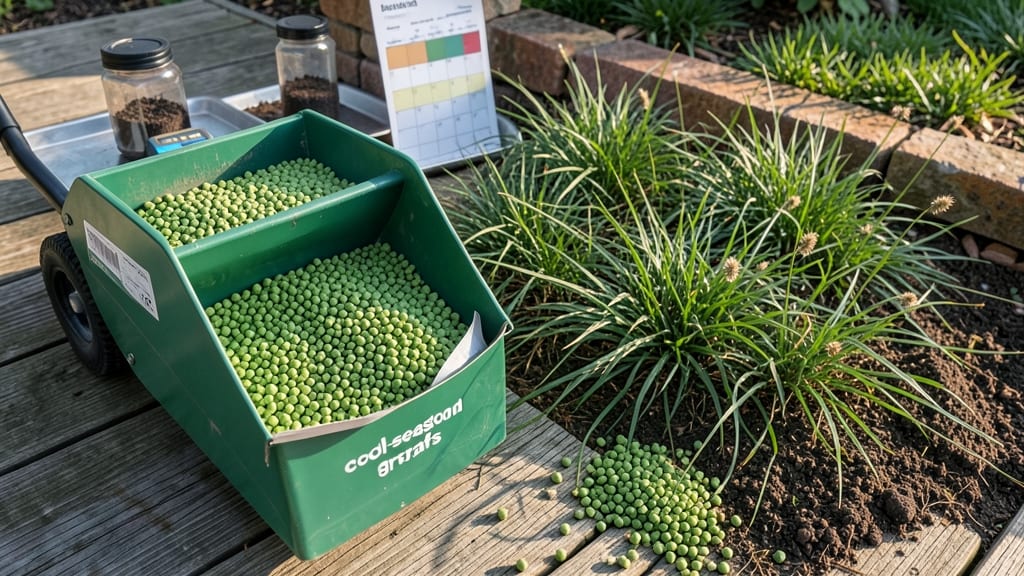
If you’ve ever stared at your Oregon lawn wondering why it’s patchy or brown despite your best efforts, the answer might be simpler than you think: timing your fertilizer applications can make all the difference between a lush, green carpet and a struggling yard.
Oregon’s diverse climate—from the damp coastal regions to the arid inland valleys—means your lawn grass 🌱 thrives on a precise fertilization schedule.
Skip the guesswork and learn exactly when to feed your grass for maximum growth, whether you’re in Zone 7b or Zone 9a, so you’re not wasting money or harming the environment.
Spring and fall are the most critical times to fertilize, but the exact window depends on your microclimate. I’ll break down the ideal schedule, including soil prep tips and region-specific recommendations, so you can keep your lawn thriving year-round without overdoing it.
Ready to transform your lawn into the envy of the neighborhood? Let’s dive into the science-backed strategy that works for Oregon’s unique growing conditions.

Oregon’s ideal fertilization timeline: spring vs. fall for cool-season grass
Oregon’s cool-season grasses like Kentucky bluegrass and fescue thrive when fertilized at the right times—spring and fall—to match their natural growth cycles.
Unlike warm-season grasses, these varieties grow aggressively in cooler months, so timing your feedings around soil temperatures (aim for 50-60°F) and rainfall patterns is critical. Miss the window, and you’ll either waste fertilizer or stunt growth during Oregon’s unpredictable weather shifts.
In Oregon, the Willamette Valley and Coast Range have milder winters, while the High Desert experiences earlier frosts. This means your fertilization schedule should adjust based on your USDA zone (7b-9a) and local microclimate.
For example, coastal areas can fertilize 2-3 weeks later than inland regions due to cooler ocean breezes. Always check for soil temperature before applying—use a soil thermometer to confirm readiness.
Here’s the golden rule for Oregon lawns: Feed in early spring (March-April) to jumpstart growth after winter dormancy, and again in early fall (September-October) to strengthen roots before winter. This two-application strategy ensures your lawn stays dense, green, and resilient year-round, even during Oregon’s wet winters or summer droughts.
| Season | Key Months (Oregon) | Soil Temp Trigger | Grass Activity | Fertilizer Type | Notes |
|---|---|---|---|---|---|
| Spring | March–April | 50–60°F | Rapid growth | High-nitrogen (30-0-4) | First feeding after dormancy; avoid if soil is waterlogged. |
| Summer | June–August | 60–75°F | Slow growth (dormancy risk) | Light feed (10-0-10) | Reduce frequency in drought; water deeply after fertilizing. |
| Fall | September–October | 50–60°F | Root strengthening | Slow-release (24-0-6) | Last feeding before winter; stops top growth for root depth. |
| Winter | November–February | Below 50°F | Dormant | None | Avoid fertilizing; grass won’t uptake nutrients. |
For coastal Oregon (e.g., Astoria, Cannon Beach), push your spring feeding to late March or April due to cooler temperatures and foggy conditions.
Inland areas like Bend or Pendleton can start as early as mid-March, but always wait until soil temperatures rise above 50°F to prevent nutrient runoff during Oregon’s winter rains. A simple trick?
Press your hand into the soil—if it feels warm to the touch, it’s time to fertilize.
Your fall fertilization is just as critical. Apply a slow-release fertilizer in September or early October to encourage deep root growth before winter. This timing helps your lawn recover faster in spring and resist diseases during Oregon’s wet winters. Pro tip: If you notice yellowing grass
How to adjust fertilizer type and application for Oregon’s microclimates
Oregon’s diverse climate zones—from the coastal fog of the Willamette Valley to the hot, dry summers of the High Desert—mean your fertilization strategy must adapt. The wrong fertilizer or timing can lead to burned grass or wasted money. Let’s break down how to customize your approach for each region.
First, identify your zone: coastal areas (like Astoria) thrive with slow-release fertilizers to prevent leaching from frequent rain, while inland regions (like Bend) need drought-resistant formulas with higher potassium content to survive summer heat. Always check your soil’s pH level—Oregon’s acidic soils often need lime adjustments before fertilizing.
For coastal lawns, I recommend a balanced 24-0-6 fertilizer in early spring and a low-nitrogen 12-0-12 in late summer to harden grass against winter. In inland zones, switch to a high-nitrogen 30-0-4 in spring and a slow-release 20-0-10 in fall to store nutrients for winter.
🌱 Fertilizer Pros & Cons for Oregon’s Microclimates
- ✅ Pros: Slow-release prevents runoff in wet soil
- ✅ Pros: Lower nitrogen reduces fungal risks from fog
- ❌ Cons: Over-fertilizing causes algae blooms in rain
- ✅ Pros: High potassium improves drought tolerance
- ✅ Pros: Quick-release works in hot, dry summers
- ❌ Cons: Burns grass if applied during heatwaves
- ✅ Pros: Organic options (compost, manure) retain moisture
- ✅ Pros: Low nitrogen prevents summer stress
- ❌ Cons: Synthetic fertilizers may need 2x applications
Application timing matters just as much as the fertilizer type. In coastal areas, spread fertilizer on overcast days to avoid rain washing it away. For inland lawns, apply in early morning to let grass absorb nutrients before the heat sets in.
Always water deeply after fertilizing—1 inch of water within 24 hours activates the nutrients.
Pro tip: Use a drop spreader for even coverage, especially on slopes. And if your lawn has bare patches, spot-treat with a starter fertilizer (high phosphorus) before reseeding. This two-step process ensures new grass gets the nutrients it needs to establish.
Finally, adjust your schedule based on grass type. Kentucky bluegrass loves frequent feeding (every 6 weeks), while tall fescue thrives on less frequent, heavier applications (every 8 weeks).
Always follow the 3-1-1 rule: 3 parts nitrogen for growth, 1 part phosphorus for roots, and 1 part potassium for strength.
By tailoring your fertilizer to Oregon’s microclimates, you’ll avoid common pitfalls like brown patches or wasted fertilizer. Start with a soil test ($20 at local extension offices), then pick your formula based on your zone. Your lawn will thank you with thicker, greener growth all season long! 🌿