
Lawn
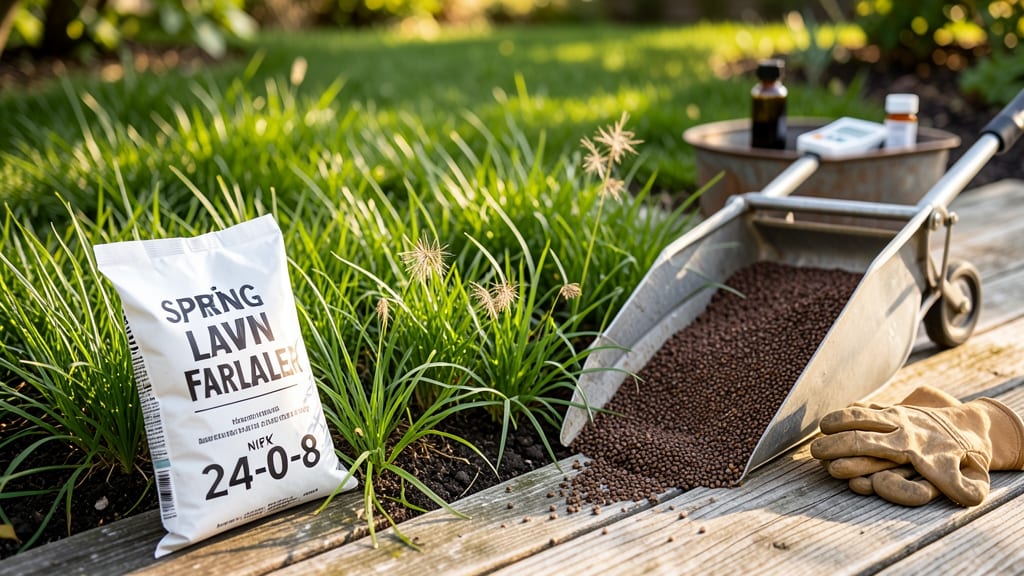
Timing when to fertilize your lawn in the spring perfectly is the difference between a lush, vibrant 🌱 carpet and a patchy, struggling yard. If you fertilize too early, you risk burning tender grass still waking up from winter dormancy, while waiting too long means missing the prime growth window.
For most homeowners in USDA Zone 6a, the ideal window opens in early March—just after the last frost—when soil temperatures consistently hit 55°F. This is when cool-season grasses like Kentucky bluegrass and fescue start their rapid green-up phase, signaling it’s time to feed.
But warm-season grasses like Bermuda need to wait until late April or May when temperatures climb above 60°F.
I’ll walk you through the exact steps to prepare your lawn—from mowing to aeration—and the best fertilizer types to choose for your grass type. You’ll discover how to spot the 3 critical signs your lawn is truly ready (and when to pump the brakes).
Let’s get that lawn growing strong all season long.
Whether you’re dealing with a cool-season lawn that’s eager to bounce back or a warm-season variety taking its sweet time, this guide ensures you’ll never miss the perfect moment to fertilize again. No more guesswork—just a thriving yard that’s the envy of the neighborhood.

Spring fertilization timing by grass type: cool-season vs. warm-season schedules
Spring lawn fertilization isn’t a one-size-fits-all task—your grass type and local climate dictate the perfect window. Cool-season grasses like Kentucky bluegrass and fescue wake up early, while warm-season varieties like Bermuda or Zoysia need warmer soil to thrive.
Getting this wrong can mean wasted fertilizer or even grass burn. Let’s break down the exact timing for each type, plus regional adjustments to nail your spring feed.
For cool-season grasses, the golden window opens when daytime temperatures consistently hit 40°F–55°F—typically late March to early April in most U.S. zones. This triggers active root growth, so applying fertilizer too early (below 40°F) risks nutrient burn or leaching.
Warm-season grasses, however, need to wait until soil temps reach 60°F+, usually late April to May, to avoid shocking dormant roots.
Your USDA hardiness zone shifts these dates. In Zone 5 or colder, aim for mid-April for cool-season grasses, while Zones 7–10 can fertilize warm-season lawns as early as March if soil is warm enough.
Pro tip: Use a soil thermometer ($10 at garden centers) to confirm—this small tool saves money and stress.
Here’s the visual breakdown of when to fertilize based on your grass type and climate:
| Grass Type | Ideal Fertilization Window | Soil Temp Trigger | Zone Adjustments | Key Signs to Watch |
|---|---|---|---|---|
| Cool-Season (Kentucky Bluegrass, Fescue, Ryegrass) | Late March–Early April | 40°F–55°F | Zone 5: Mid-April Zone 8+: Early March |
Grass turning green, sprouting in patches |
| Warm-Season (Bermuda, Zoysia, St. Augustine) | Late April–May | 60°F+ | Zone 7–10: March–April Zone 5: May |
Soil warm to touch, yellowing old growth |
| Transition Zones (6–7, Mixed Grasses) | Early April (Cool-Season) + Late May (Warm-Season) | 45°F (cool) / 65°F (warm) | Split feedings: twice in spring | Patchy growth—fertilize cool areas first |
Regional microclimates add another layer. In northern states, late frosts can delay fertilization by 2–3 weeks, while southern lawns may need a pre-emergent herbicide before fertilizing to block weeds.
For example, Bermuda grass in Arizona can be fertilized in February, but the same grass in Georgia waits until April.
Don’t overlook pre-fertilization prep. Aerate compacted soil in fall or early spring to improve nutrient uptake, and mow high (3–4 inches) to shade roots and retain moisture. Skipping these steps means your fertilizer money goes to waste as it sits on the surface or washes away.
Timing isn’t just about the calendar—it’s about grass behavior. Cool-season grasses show readiness with vigorous sprouting, while warm-season types often yellow slightly before they’re ready. Watch for these cues over 3–5 days to confirm the perfect moment to feed.
Once you’ve nailed the timing, choose a slow-release fertilizer (look for N-P-K ratios like 30-0-4) to feed your lawn steadily over 6–8 weeksearly morning when dew is gone but heat hasn’t peaked—this minimizes burn risk and maximizes absorption.
After fertilizing, water deeply (1 inch) to activate nutrients, but avoid overwatering, which can dilute fertilizer and encourage disease. For the next 48 hours, keep kids and pets off the lawn to let granules break down safely.
By following these grass-type-specific windows, you’ll skip the guesswork and grow a lawn so lush, your neighbors will ask for your secret. And remember: consistency beats intensity—small, timely feedings outperform heavy annual doses every time.
3 Critical signs your lawn is ready for spring fertilizer (and when to wait)
Spring fertilization timing isn’t just about the calendar—your lawn sends clear signals when it’s ready. Ignoring these cues can lead to burned grass or wasted fertilizer. The key is watching for soil temperature, grass growth patterns, and weather conditions that indicate the perfect window.
First, check your soil temperature—it’s the most reliable indicator. For cool-season grasses like fescue or bluegrass, wait until soil temps hit 40°F–55°F. Warm-season grasses like Bermuda need 60°F+ soil.
A soil thermometer (just $10) makes this easy—stick it in the ground 4 inches deep for an accurate reading.
Next, observe your grass’s growth stage. If you see new green shoots breaking through the thatch or your lawn is thickening after winter dormancy, it’s time. Pro tip: If grass blades are still yellow or sparse, hold off—fertilizing too early stresses the roots when they’re not yet active.
Here’s the visual