
Plants
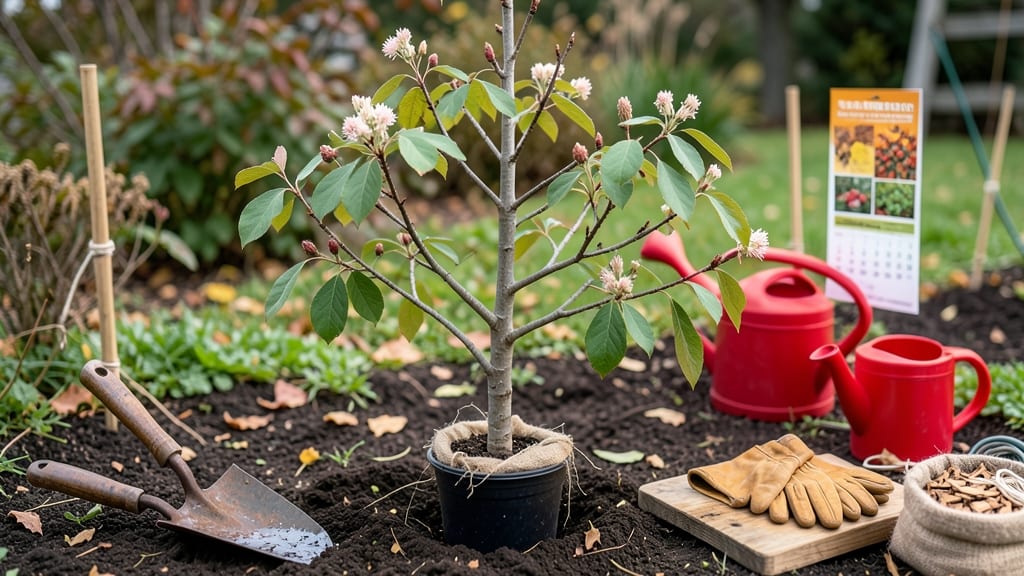
Best fall planting months for dogwood trees by USDA climate zone
Fall is the perfect window to plant dogwood trees because cooler temperatures and increased rainfall help young roots establish before winter dormancy. But timing varies by USDA climate zone—plant too early in cold regions, and frost can damage tender roots; too late, and roots won’t harden before dormancy.
Let’s break down the exact months for each zone to ensure success.
Dogwood trees thrive when planted 4-6 weeks before ground freezes. This gives roots time to grow into the soil while avoiding winter stress. In warmer zones, you can plant later, but in colder areas, aim for early fall to prevent early frost.
Always check your local last frost date for precision.
Here’s how to match your zone to the ideal planting window:
| USDA Zone | Best Planting Month | Soil Temp Goal (°F) | Key Cue |
|---|---|---|---|
| Zones 3-5 (Cold Climates) | Early September to mid-October | 50-55°F | First frost date minus 6 weeks |
| Zones 6-7 (Temperate Climates) | Mid-October to early November | 55-60°F | Leaf color change begins |
| Zones 8-9 (Mild Climates) | November to early December | 60-65°F | Daytime temps below 70°F |
| Zone 10 (Warm Climates) | December to January | 65-70°F | Minimal rain, cool evenings |
For example, in Zone 6a (like Chicago or Denver), aim for planting in late October when soil temps drop to 55°F and nights stay above freezing. In Zone 9a (like Los Angeles), December is ideal—just avoid heavy rain, which can waterlog roots.
Pro tip: Use a soil thermometer to confirm temps match your zone’s goals. If soil is too warm, roots may struggle to establish before dormancy. In cooler zones, mulch heavily after planting to insulate roots from early frost.
Regional microclimates matter too. If you live near a lake or mountain, temps may drop faster than average. Err on the earlier side in these areas to give roots extra time. Conversely, urban heat islands can delay frost—monitor local weather trends closely.
Once you’ve nailed the month, focus on soil prep. Dogwoods prefer well-draining, slightly acidic soil (pH 5.5-6.5). Amend heavy clay with compost or sand, and avoid planting in low spots where water pools. A well-prepped hole is half the battle for fall success.
After planting, water deeply to settle soil around roots, then mulch with 3-4 inches of organic mulch (like wood chips) to retain moisture and regulate temperature. This step is critical in dry fall months or windy regions where evaporation is high.
By following these zone-specific guidelines, your dogwood will establish strong roots before winter, setting the stage for decades of vibrant blooms and lush foliage. The key? Plant at the right time, prep the soil, and give roots the care they need to thrive.
Critical signs your dogwood tree is ready for fall planting
Fall planting offers dogwood trees a head start on root growth before winter dormancy, but timing is everything. Look for these environmental and soil cues to know when your dogwood is ready for planting—because planting too early or late can spell disaster for young roots.
First, check your local frost dates. Aim to plant dogwood trees 4-6 weeks before the first hard frost in your area. This gives roots time to establish without freezing. For example, in USDA Zone 6a, that means planting between late October and mid-November.
Next, examine the soil temperature. Dogwood roots thrive when soil temps stay above 40°F (4°C). Use a soil thermometer to confirm—if temps dip below this, roots won’t establish properly. Cooler soils signal it’s time to plant.
Watch for leaf color changes in nearby trees. When maples, oaks, and other deciduous trees begin dropping leaves, it’s a sign fall is advancing. Dogwood trees, however, should still have some green foliage—if leaves are already fully brown, you’ve missed the window.
🌱 Key Takeaways for Fall Planting Readiness
- ✅ Soil temp >40°F (4°C) – Roots need warmth to grow.
- ✅ 4-6 weeks before frost – Avoid winter stress.
- ✅ Green foliage remains – Dogwood leaves shouldn’t be fully brown.
- ✅ Moist but well-draining soil – Test by squeezing a handful; it should crumble.
Pro tip: Plant on a cloudy day to reduce transplant shock from sun exposure.
Don’t overlook moisture levels in the soil. Before planting, water the area deeply and check drainage—dogwood trees hate soggy roots. If water pools after 24 hours, amend the soil with compost or sand to improve drainage.
Finally, consider tree health. If your dogwood is bare-root, plant it immediately upon arrival. For potted trees, inspect roots—if they’re circling the pot, trim them gently before planting to encourage outward growth.
When all these signs align—cool soil, green leaves, and frost-free weeks ahead—your dogwood tree is ready for its fall home. Planting at the right time ensures stronger roots and a healthier tree for years to come. 🌿