
Plants
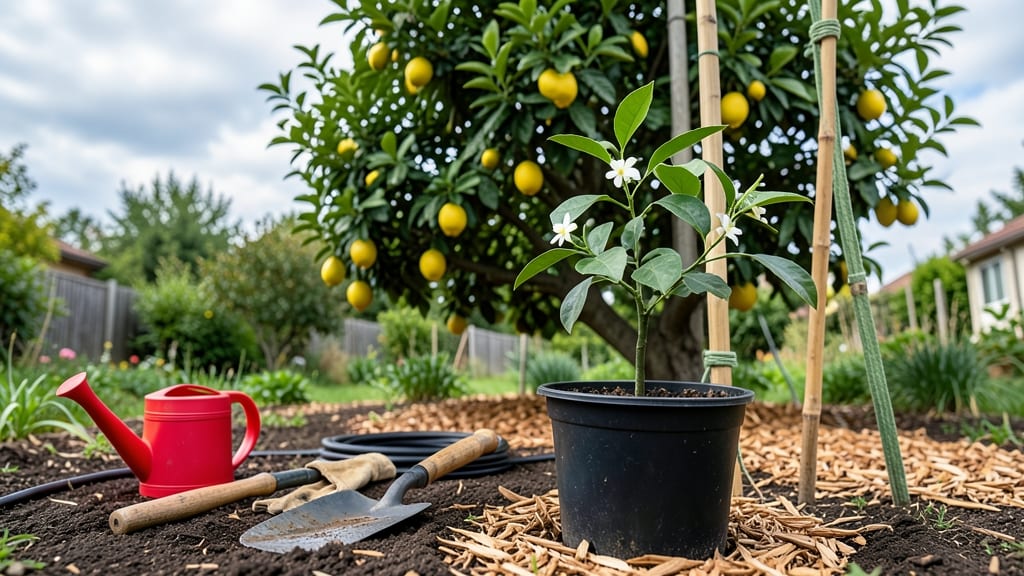
Planting a lemon tree in Louisiana might seem tricky—after all, the last thing you want is a 🍋 lemon tree struggling through a surprise frost or wilting in summer heat.
But here’s the good news: Louisiana’s climate actually makes it one of the best places to grow these citrus beauties, if you time it right.
The key is planting during Louisiana’s frost-free window, between February and April or September and November. This gives your tree enough time to establish roots before summer’s scorching heat or winter’s rare cold snaps.
Whether you’re in New Orleans’ humid coastal zone or Shreveport’s warmer inland area, these months offer the perfect balance of warmth and growing conditions.
In this guide, I’ll break down the exact timeline for planting—plus how to choose the right variety, avoid common mistakes, and keep your lemon tree thriving year-round. No more guesswork, just juicy, homegrown lemons straight from your backyard.
Ready to turn your garden into a citrus paradise? Let’s get started with the best planting times and care tips tailored just for Louisiana’s unique climate.
Louisiana’s frost-free planting window for lemon trees: best months & microclimate zones
Louisiana’s USDA hardiness zones 8a–9b make it an ideal place for growing lemon trees, but timing is everything. The frost-free window determines when you can safely plant without risking damage to your young tree.
In most of Louisiana, the last frost date hovers around mid-February, while the first frost typically arrives in early December. This means you have a 240–300-day frost-free growing season, perfect for citrus.
For best results, focus on planting during two key windows: February through April (spring) and September through November (fall). These months give your lemon tree enough time to establish roots before extreme heat or cold arrives.
Spring planting is ideal for container-grown trees, while fall planting works well for bare-root saplings.
However, Louisiana’s microclimates create variations. Coastal areas like New Orleans and Baton Rouge have longer frost-free periods, while inland cities like Shreveport and Monroe experience earlier frosts. Always check your local National Weather Service for precise frost dates in your area.
Here’s a quick breakdown of the best planting months based on Louisiana’s regions:
| Region | Best Planting Months | Key Considerations |
|---|---|---|
| Coastal (New Orleans, Baton Rouge) | March–April or October–November | Longer frost-free season; humidity is high. |
| Northwest (Shreveport, Monroe) | February–March or September | Earlier frosts; plant earlier to avoid cold snaps. |
| Central (Lafayette, Lake Charles) | March or October | Moderate climate; balance heat and humidity. |
Avoid planting in late April or early May, as Louisiana’s summers can bring sudden heatwaves that stress young trees. Similarly, planting in December or January risks exposing your tree to unexpected late frosts. Always choose a well-draining location with 6+ hours of sunlight to ensure your lemon tree thrives.
If you’re unsure about your local frost dates, use the Almanac’s Frost Calculator or consult your local Cooperative Extension Service for tailored advice. These resources provide hyper-local data to help you plant at the perfect time.
Once you’ve selected your planting window, prepare your site by amending the soil with compost or citrus-specific fertilizer to give your lemon tree a nutrient-rich start. Mulch around the base to retain moisture and regulate soil temperature—critical in Louisiana’s humid climate.
For container planting, choose a large pot (15+ gallons) with drainage holes and use a well-draining potting mix. Containers allow you to move your tree indoors during rare cold snaps, extending its growing season even further.
Remember, lemon trees are evergreen, meaning they grow year-round in Louisiana’s climate. Proper timing ensures they establish strong roots before facing extreme heat or cold, setting the stage for a bountiful harvest within 1–3 years.
With the right timing and care, your lemon tree will reward you with juicy, homegrown lemons for decades—just in time for your next homemade lemonade! 🍋
Louisiana’s frost-free planting window for lemon trees: best months & microclimate zones
Louisiana’s warm climate makes it ideal for growing lemon trees, but timing is everything. The frost-free window spans February through April and September through November, aligning with the state’s USDA hardiness zones 8a–9b.
Planting outside these windows risks late frosts that can kill young trees, especially in inland areas like Shreveport.
Coastal regions like New Orleans enjoy longer frost-free periods, allowing for extended planting windows. However, even coastal areas can experience unpredictable cold snaps in early spring or late fall. Always check your local last frost date, which typically falls around February 15 for most of Louisiana.
For container-grown lemon trees, you can plant year-round in southern Louisiana (zones 9a–9b), but in-ground planting still benefits from the spring or fall windows. Container planting offers flexibility but requires consistent moisture and protection from extreme heat or cold.
| Zone | Best Planting Window | Microclimate Notes | Risk Factor |
|---|---|---|---|
| 8a (North LA) | March–April or September–October | Higher frost risk; inland areas | High |
| 8b (Central LA) | February–April or September–November | Moderate frost risk; transition zone | Medium |
| 9a–9b (South LA) | Year-round (containers) or Feb–April | Minimal frost; coastal protection | Low |
If you plant in late fall (November), choose a protected location like near a south-facing wall or use frost cloth for young trees. In spring (February–April), prioritize well-draining soil to prevent root rot, especially in Louisiana’s heavy clay soils. Amend soil with compost or sand for better drainage.
For container planting, select pots with drainage holes and use a citrus-specific potting mix. Move containers indoors or to a sheltered area if temperatures drop below 40°F. In-ground trees should be planted 6–10 feet apart to allow for mature size and airflow, reducing humidity-related diseases.
Always monitor local weather forecasts before planting, as microclimates can vary even within short distances. A few degrees of warmth can mean the difference between a thriving lemon tree and one struggling to survive Louisiana’s unpredictable weather.