
Planting
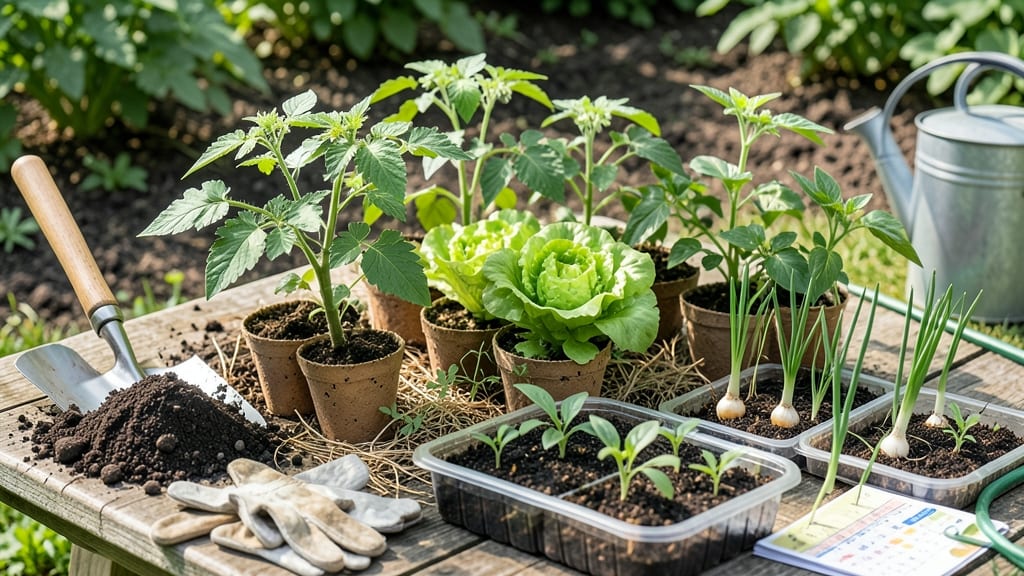
Timing when to plant a vegetable garden in New York isn’t just about throwing seeds in the dirt—it’s about beating frost, embracing the short growing season, and knowing exactly when to start.
With USDA Zone 6a (and variations from 5b in Upstate to 7a in NYC), your success hinges on understanding last frost dates and seasonal shifts.
Plant too early, and a late frost could wipe out your seedlings. Wait too long, and you’ll miss out on a full harvest before winter sets in.
The key is starting cold-hardy crops 4-6 weeks before your last frost—think peas, spinach, and kale—while waiting until soil warms to 60°F for tomatoes, peppers, and other heat-lovers.
In this guide, I’ll break down the exact planting windows for your zone, month-by-month crop recommendations, and smart tricks to stretch your growing season. Whether you’re a first-time gardener or a seasoned green thumb, you’ll leave here with a clear roadmap to a bountiful 🌱 vegetable garden.
Ready to turn your backyard into a productive patch? Let’s dive into the best times to plant—and how to protect your crops from New York’s unpredictable weather.
New York’s last frost dates by zone: critical planting windows explained
New York spans USDA zones 4b to 7b, creating wildly different planting windows from the Adirondacks to NYC.
In northern NY (zones 4b-5a), the last frost typically arrives May 15–June 1, while in NYC (zone 7a), you can plant outdoors as early as April 15. These dates separate your cool-season crops (like spinach and peas) from warm-season crops (tomatoes, peppers) that need frost-free soil.
For cool-season crops, start seeds 4–6 weeks before your last frost date—indoors for heat-lovers like tomatoes or directly in the ground for hardy greens. Warm-season crops like cucumbers and beans won’t tolerate frost, so wait until soil reaches 60°F (use a soil thermometer!).
In zone 5b (Upstate NY), this often means late May, while zone 7a (NYC) gardeners can plant by mid-April.
Here’s the visual breakdown of frost dates and planting windows by zone—your roadmap to avoiding frost damage and maximizing harvests.
| Zone | Avg. Last Spring Frost | Avg. First Fall Frost | Plant Warm Crops After | Plant Cool Crops By |
|---|---|---|---|---|
| 4b–5a (Northern NY, Adirondacks) | May 15–June 1 | September 15–October 1 | June 10–15 | July 1–15 (for fall harvest) |
| 5b–6a (Upstate NY, Albany, Syracuse) | May 1–15 | October 1–15 | May 20–30 | July 15–30 |
| 6b–7a (NYC, Long Island, Hudson Valley) | April 15–May 1 | October 15–November 1 | April 20–May 10 | August 1–15 |
Microclimates throw a wrench into these averages. Urban NYC (especially south-facing rooftops) can warm up 1–2 weeks earlier than rural areas, while valleys and low-lying spots hold frost longer. To adjust, monitor local weather forecasts and use frost cloth for early plantings.
My go-to trick? Plant bush beans (they tolerate light frost) as a test crop in late April—they’ll tell you when it’s safe for tomatoes!
For fall planting, aim to sow seeds 90–120 days before your first frost. In zone 5b, that’s late July for fast growers like radishes, while kale can handle light frosts and tolerates planting until mid-August.
In NYC (zone 7a), you’ve got until late September for spinach and lettuce—just cover them with row fabric as temps drop.
Pro tip: Use the NYS Agricultural Experiment Station’s frost maps (linked in my resources section) for hyper-local data. They track 30-year averages and update yearly—far more reliable than guessing!
I’ve used their data to push my tomato harvest into October by planting heat-tolerant varieties like ‘Solar Fire’ and using black plastic mulch to warm the soil.
Don’t let these dates stress you out—succession planting is your secret weapon. Instead of planting everything at once, stagger lettuce, radishes, and carrots every 2 weeks for a continuous harvest.
This works especially well in short-season zones (5b and below), where you might only get 100 frost-free days.
Finally, urban gardeners often face heat islands (city areas that stay warmer at night). If you’re in Brooklyn or Queens, you can plant peppers and eggplants 2–3 weeks earlier than Upstate guidelines suggest. Test your soil’s warmth with a thermometer—60°F+ is the magic number for warm crops.
🌱
Best vegetables to plant in New York by month: a month-by-month guide
New York’s growing season varies dramatically from northern regions like Buffalo (Zone 5b) to urban areas like NYC (Zone 7a), so your monthly planting schedule should adapt.
Start by dividing crops into cool-season hardies (peas, spinach) and warm-season lovers (tomatoes, peppers), then match them to the right timing for your zone.
For Zone 5b (Upstate), aim to plant cool crops by late April and warm crops after Memorial Day. In Zone 7a (NYC), you can start cool crops as early as mid-March and warm crops by mid-April.
Always check your local last frost date—NY’s can swing by 2-3 weeks year to year!
🌱 Pro Tip: Use row covers or cold frames to extend early planting for heat-loving crops like tomatoes or peppers in cooler zones. In NYC, you might even get two full harvests of warm-season crops!
📅 Month-by-Month Planting Guide for New York
- March (Zones 6-7): Start spinach, kale, peas indoors or under row covers. Direct-sow lettuce, radishes in protected beds.
- April (All Zones): Plant cool crops (broccoli, carrots, onions) 4-6 weeks before last frost. Begin warm crops (tomatoes, peppers) indoors.
- May (After Last Frost): Transplant tomatoes, peppers, eggplants outdoors. Direct-sow beans, cucumbers, squash after soil warms to 60°F+.
- June (Succession Planting): Sow bush beans, summer squash, zucchini. Start fall crops (kale, Brussels sprouts) indoors.
- July-August (Fall Prep): Plant cool-season crops (spinach, arugula, radishes) for late harvests. Succession-sow lettuce every 2 weeks.
- September (Last Chance): Direct-sow fast-maturing crops (radishes, turnips, peas) for fall harvests before first frost.
Don’t forget succession planting—this technique keeps your garden productive all season! For example, sow lettuce every 2 weeks from April to August to enjoy fresh greens until frost. In northern NY, focus on fast-maturing varieties (e.g., bush beans instead of pole beans) to maximize harvests.
Urban gardeners in NYC or Brooklyn have an advantage: microclimates near buildings or rooftops can stay 5-10°F warmer than rural areas. Use this to your advantage by planting warm-season crops slightly earlier in these spots. Just watch for heat stress in July—shade cloth can help!
For a foolproof schedule, bookmark the Cornell Cooperative Extension’s planting calendar (linked in our resources section) and adjust based on your specific frost dates. Happy planting—your future harvests will thank you! 🌿