
Planting
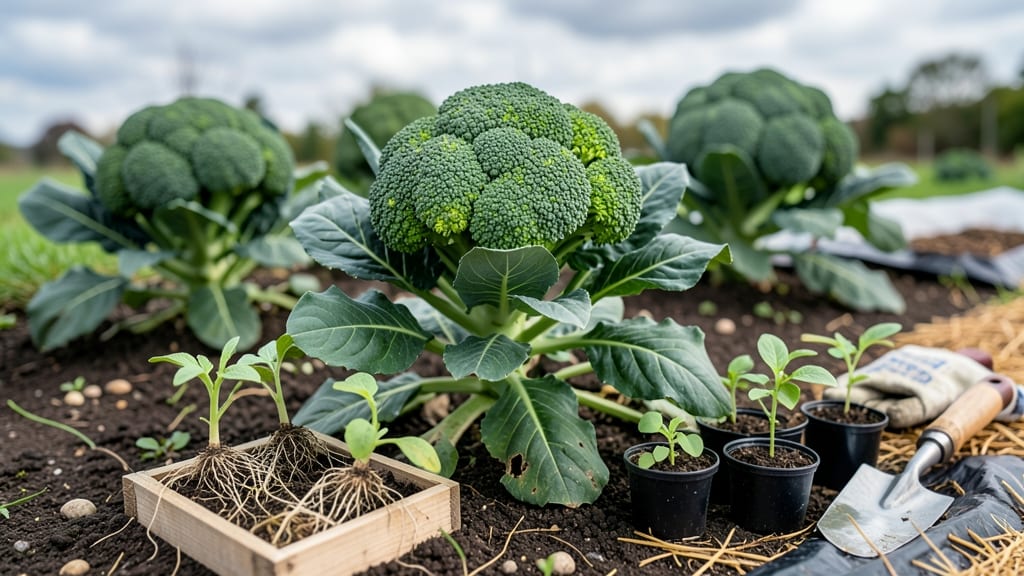
If you've ever dreamed of planting a winter garden in Florida to harvest crisp lettuce or sweet carrots during the cooler months, you're not alone—but timing is everything.
Planting your winter garden too early risks stunted growth from lingering summer heat, while waiting too long means missing the ideal window for cool-season crops to thrive. The key lies in understanding Florida's unique microclimates and frost-free growing seasons.
Florida's mild winters create a perfect opportunity for growing winter vegetables 🥬, but getting the timing right can make the difference between a bountiful harvest and wasted seeds.
Whether you're in North Florida's cooler Zone 8a or South Florida's balmy Zone 11, knowing exactly when to plant ensures your garden avoids common pitfalls like premature bolting or heat stress.
In this guide, I'll walk you through the exact months to plant for peak success, tailored to Florida's diverse regions. You'll discover how to prepare your soil, choose the right crops, and avoid the most common mistakes that sabotage winter gardens.
Let's get your garden growing the right way from the start.
Ready to transform your garden into a winter harvest goldmine? The secrets to timing, soil, and crop selection are just a few paragraphs away—and your future salads will thank you.
Florida’s winter planting timeline: exact months for peak success
Florida’s winter gardening season runs from August through March, but the ideal planting window depends on your crop type and region. Unlike northern states, Florida rarely faces frost, but temperature drops below 50°F can still stress sensitive plants.
North Florida (Zones 8a-9a) has cooler winters, while South Florida (Zones 10a-11) can grow winter crops year-round with minimal adjustments.
For leafy greens like lettuce and spinach, start seeds indoors in late July or direct-sow in early August.
These fast-growing crops thrive in Florida’s winter temps and can be harvested in as little as 30-45 days. Root vegetables like carrots and radishes should go in the ground by mid-August to mature before summer heat returns.
Brassicas—such as broccoli, cabbage, and kale—need a longer growing season, so plant them by late August for a December-January harvest. These plants tolerate cooler temps but may bolt prematurely if exposed to unexpected heat waves in early spring.
Always check your local frost-free date (even in Florida, rare frosts can occur in North Florida in December).
🌱 Florida Winter Planting Summary
| Crop Type | Ideal Planting Window | Harvest Window | Temperature Range (°F) | Notes |
|---|---|---|---|---|
| Leafy Greens (Lettuce, Spinach, Kale) | Late July - Early August | October - March | 50-75°F | Fast-growing; succession plant every 2 weeks. |
| Root Vegetables (Carrots, Radishes, Beets) | Mid-August - Early September | November - February | 55-70°F | Loose, well-draining soil prevents forking. |
| Brassicas (Broccoli, Cabbage, Kale) | Late August - Early September | December - March | 55-65°F | Avoid bolting with shade cloth if temps rise. |
| Peas & Beans (Sugar Snap, Lima) | September - Early October | November - February | 60-70°F | Trellis for vertical growth; cool weather improves flavor. |
| Herbs (Cilantro, Parsley, Dill) | August - September | October - April | 50-70°F | Bolt-resistant varieties preferred. |
If you’re in South Florida (Zones 10a-11), you can extend your winter garden into April for crops like collard greens and mustard greens, which thrive in 60-80°F temperatures.
These heat-tolerant greens are perfect for spring harvests before summer’s intensity peaks. Just be mindful of humidity and fungal diseases—mulch heavily to prevent soil-borne issues.
For North Florida gardeners (Zones 8a-9a), prioritize early August planting to avoid December frosts. Use row covers or cold frames to protect tender crops like lettuce and spinach if temperatures dip below 40°F.
Even a light frost can damage these plants, so monitor your local weather forecasts and have emergency covers ready.
One critical mistake Florida gardeners make is planting warm-season crops like tomatoes or peppers too early. These plants won’t germinate in cooler soil temps and may rot before sprouting. Stick to cool-season varieties in winter, and save your heat-lovers for spring (March-April).
To maximize your winter harvest, succession plant fast-growing crops like radishes and lettuce every 2-3 weeks from August through October. This ensures a
5 Common winter planting mistakes Florida gardeners make (and how to fix them)
Florida’s winter garden can thrive with the right timing, but even experienced gardeners stumble into costly mistakes. I’ve seen wasted seeds, stunted growth, and even frost damage (yes, it happens in North Florida!) from these five avoidable errors. Let’s fix them before your next planting.
Mistake #1: Planting heat-loving crops too early. Tomatoes, peppers, and cucumbers need warm soil—below 60°F and they’ll rot. Instead, save these for spring planting (March-April) and focus on cool-season crops like lettuce and spinach in August-September.
⚠️ Warning: Frost Risk in North Florida
Even Florida isn’t frost-proof! North Florida (Zones 8a-9a) can see light frosts in December-January. Protect tender plants with row covers or move potted crops indoors during cold snaps.
Mistake #2: Skipping soil prep for cooler temps. Cold soil drains poorly, leading to root rot. Before planting, mix in compost and aged manure to improve drainage. A mulch layer (straw or leaves) also keeps roots warm and retains moisture—critical in Florida’s dry winter air.
Mistake #3: Ignoring Florida’s microclimates. South Florida’s Zone 10-11 can grow broccoli year-round, while North Florida’s Zone 8a needs earlier starts (August) to avoid frost. Check your USDA Zone and adjust planting dates accordingly—don’t assume one-size-fits-all advice works everywhere in Florida.
Mistake #4: Overcrowding seedlings. Tight spacing leads to disease and poor airflow, especially in Florida’s humid winters. Follow seed packet spacing (e.g., 12 inches apart for cabbage, 6 inches for lettuce) and thin seedlings early to avoid competition. Pro tip: Use a seedling tray for easier transplanting.
Mistake #5: Neglecting pest control. Cool weather brings slugs, aphids, and cabbage worms—not just summer pests! Set up beer traps for slugs and row covers for caterpillars. A weekly check for yellowing leaves (aphid sign) can save your entire crop.
The fix? Start with the right crop timing, prep your soil properly, and stay vigilant with pests and pests. Your winter garden will thank you with bountiful harvests from October to April—no mistakes required! 🌱