
Plants
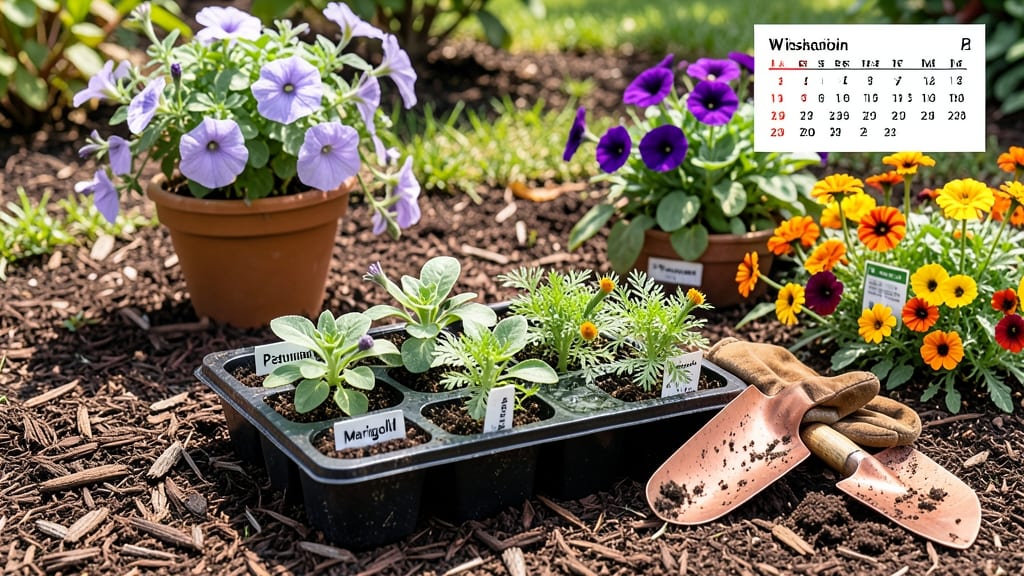
Timing your annuals planting in Wisconsin isn't just about following a calendar—it's about outsmarting Mother Nature's unpredictable frost surprises. 🌸 Whether you're dreaming of vibrant marigolds or crisp lettuce, getting those seeds in the ground too early could turn your hard work into a sad, icy memory.
With Wisconsin's USDA zones ranging from 4b to 6a, knowing when to plant annuals means understanding your local frost dates. Most gardeners wait until after the last frost (typically mid-April to early June), but even that can vary by 10 days between northern and southern Wisconsin.
I've learned the hard way that some annuals—like tomatoes and peppers—need warmer soil to thrive, while cool-season varieties like spinach can handle early spring plantings. The key is balancing patience with opportunity to maximize your growing season.
In this guide, I'll break down exactly when to plant each type of annual in Wisconsin, plus pro tips to extend your planting window safely. Let's make sure your garden blooms and harvests like clockwork!
Wisconsin frost dates by Zone: critical planting windows for annuals
Wisconsin’s USDA Hardiness Zones 3-5 create distinct planting windows for annuals, with northern regions (Zone 3-4) facing earlier frosts than southern areas (Zone 5). Understanding these zones helps you avoid late spring freezes that can devastate tender annuals like petunias or marigolds.
For most of Wisconsin, the average last frost date falls between mid-April (southern WI) and early May (northern WI). However, heat-loving annuals like geraniums or zinnias need to wait until soil temperatures hit 50°F+—typically mid-to-late May—to thrive.
Here’s how Wisconsin’s zones break down for planting annuals, including cool-season vs. warm-season varieties:
If you’re starting annuals indoors, begin 6–8 weeks before your last frost date. For Zone 3, that means mid-February to early March, while Zone 5 gardeners can start as late as early March.
For direct-sown annuals, like cosmos or marigolds, wait until soil temperatures reach 50°F+—usually mid-May in most of Wisconsin. Use a soil thermometer to confirm, as cold soil can stunt growth.
In northern Wisconsin (Zone 3), late frosts can occur until mid-May, so prioritize frost-tolerant annuals like pansies or snapdragons for early spring color. In southern Wisconsin (Zone 5), you can plant heat-lovers like geraniums as early as April 25.
Pro tip: Check the UW-Madison Extension’s frost date maps annually, as climate change is shifting Wisconsin’s frost patterns. For example, Milwaukee (Zone 5) now averages 10 days earlier last frosts than in the 1980s.
For fall planting, aim to sow cool-season annuals like pansies or sweet alyssum by mid-August in Zone 5 or early September in Zone 3, giving them 6–8 weeks to establish before first frost.
Always monitor weekly weather forecasts in late April–May, as unpredictable cold snaps can hit even Zone 5. Keep row covers or frost cloth on hand to protect young plants if nighttime temps dip below 40°F.
Best annual flowers to plant by month in Wisconsin (with frost tolerance guide)
Wisconsin’s short growing season means timing your annuals perfectly is key. Start by categorizing plants by their frost tolerance—some handle light frosts, while others need warm soil. I’ve broken down the best annuals to plant each month, from hardy pansies in spring to heat-loving zinnias in summer.
For cool-season annuals, like pansies and snapdragons, you can plant as early as mid-April in southern Wisconsin or wait until late April in northern regions. These tough varieties often bounce back from light frost (28°F or above).
Meanwhile, heat-lovers like petunias and marigolds should wait until after the last frost date (mid-May to early June).
🌱 Did You Know?
If you’re starting seeds indoors, begin 6-8 weeks before your last frost date (typically February-March for most of Wisconsin). Use grow lights to ensure strong seedlings, especially for vegetable annuals like basil or tomatoes. Harden off seedlings for 7-10 days before transplanting after the last frost.
For direct sowing, wait until soil temperatures hit 50°F or warmer. Use a soil thermometer to check—cool soil slows germination. Marigolds and nasturtiums are great for late spring planting (May-June) because they germinate quickly in warm soil.
Extend your blooms into fall by planting cool-tolerant annuals like stock or lobelia in early August. These varieties can handle light frosts and often rebloom after a mild chill. Just avoid planting anything new after mid-August—most annuals won’t have time to establish before winter.
Pro tip: Use row covers or cold frames to protect tender annuals if an unexpected frost sneaks in. And always check the UW Extension’s frost date maps for your specific county—Wisconsin’s microclimates can vary by 1-2 weeks! ☀️